-
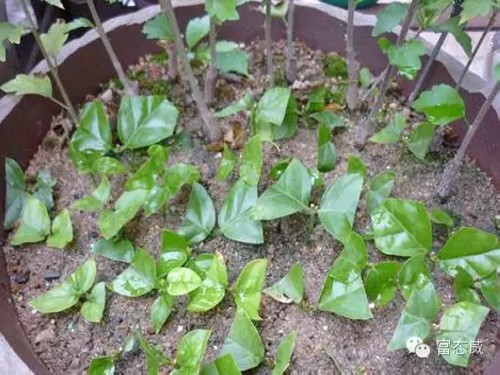
How to Propagate Potted Chrysanthemums? A Detailed Guide to Common Propagation Methods
Chrysanthemum is a plant of the Asteraceae family, using its flower heads as medicine. It is a major commonly used traditional Chinese medicine, with the effects of dispelling wind and clearing heat, and soothing the liver and brightening the eyes. It mainly treats externally contracted wind-heat, dizziness and headache, and other conditions. Regularly drinking chrysanthemum tea has the benefits of relieving summer heat and irritability, and calming the mind and brightening the eyes. Chrysanthemum is cultivated throughout the country, among which the famous ones include Anhui's Boju
-
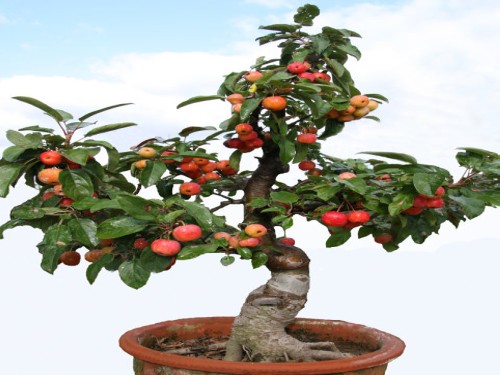
How to prune a winter red fruit bonsai? Detailed pruning methods and techniques
Winter red fruit is a variety of apple. Its tree form is compact, its branches are covered with light pink flowers in spring, and in autumn and winter the tree is covered with exquisite, lovely fruits whose shape closely resembles apples. It is suitable for garden planting or potted ornamental display and for making bonsai. Sometimes, for ornamental purposes, part of the winter red fruit is left unpruned
-
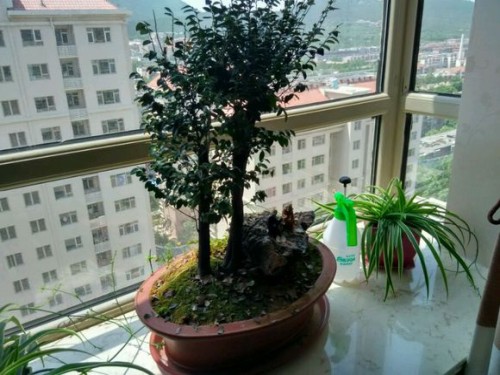
How to Shape a Podocarpus Bonsai? Practical Tips and Methods Explained
The Podocarpus bonsai has a lush, elegant, and vigorous tree form with an ancient, sturdy appearance. Its leaves stay fresh green in all four seasons, giving a sense of strength and noble purity. If attached to rocks and shaped into an eagle-claw-embracing-stone posture, it becomes even more antique and unique. A Podocarpus combined with bamboo and stones creates an extremely elegant landscape. A forest-style Podocarpus bonsai, paired with grazing scenery, can give people the enjoyment of rustic charm
-
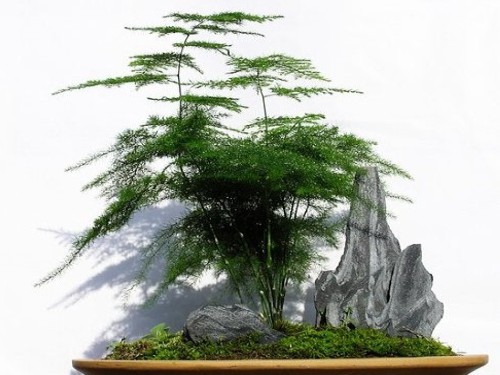
What are the pruning methods for bonsai cloud bamboo (Asparagus fern)?
Asparagus fern (Asparagus setaceus) is a perennial trailing evergreen herbaceous flowering plant; in some places it is called cloud bamboo, Songshan grass, and cloud bamboo mountain grass. Although asparagus fern is evergreen year after year, improper pruning during care can cause yellowing of branches and leaves, affecting its ornamental effect. If asparagus fern is kept for a long time, the plant will grow longer and longer.
-
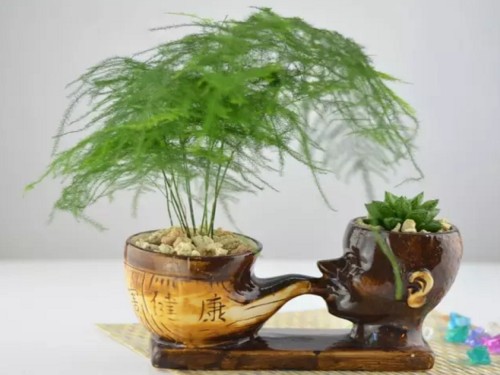
How to shape an asparagus fern bonsai? Practical shaping methods taught to you
Asparagus fern, also known as cloud-pine fern, spiny asparagus, and cloud bamboo, is an evergreen foliage plant with high ornamental value. It is Asparagus plumosus of the genus Asparagus in the family Liliaceae. The roots of asparagus fern can be used as medicine, having effects in treating acute bronchitis and relieving cough, and possessing the function of moistening the lungs. It is mainly grown in pots for its foliage, and is also an important cut-foliage material
-
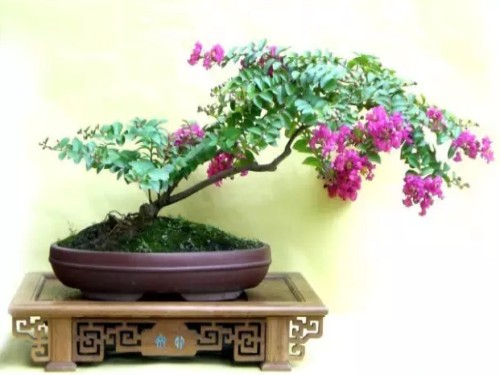
How to prune a crape myrtle bonsai? Detailed methods and techniques
Crape myrtle is a very interesting flowering tree, and it has a special trait: crape myrtle blooms for a hundred days of red, and a gentle stroke of the branches makes the whole tree move. That is why crape myrtle is also called the ticklish tree. The crape myrtle has a graceful tree form, curved branches and trunk, bright flower colors, and it blooms in the summer and autumn when few flowers are in bloom, making it an important flowering tree species for summer and autumn in gardens.
-

How to shape a crape myrtle bonsai? These methods you need to master
The crape myrtle (Lagerstroemia indica) has been an excellent bonsai tree material from ancient times to the present, and is one of the "Eighteen Scholars" of stump bonsai; it is widely used in the Hui and Chuan schools among the traditional eight major stump bonsai schools. The crape myrtle has the characteristic of exposed roots, and the older the tree, the more twisted and strange its roots become, giving it a vigorous, quaint, elegant and eye-catching effect
-
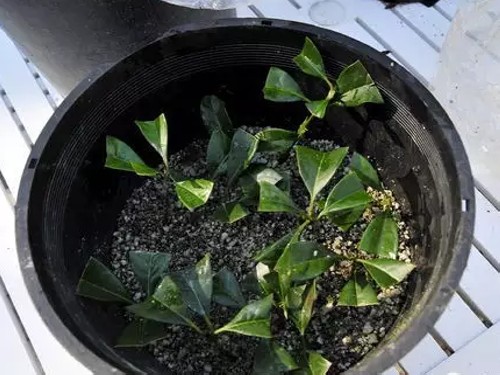
Key Techniques and Methods for Propagating Camellias from Cuttings
Camellia, also known as the camellia flower, is a plant of the genus Camellia in the family Theaceae. With its full, plump blooms and dignified elegance, it is one of China's traditional top ten famous flowers and also one of the world's famous flowers. As long as the temperature is suitable, camellias are very easy to manage, and their characteristic of disliking fertilizer makes day-to-day care even simpler. They naturally prefer a warm, humid environment
-
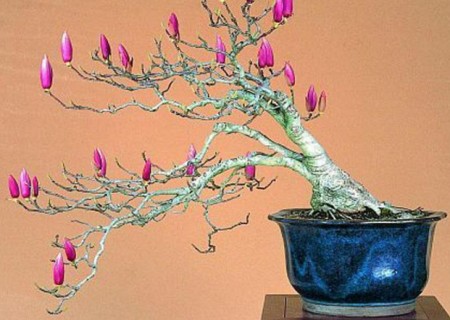
Detailed Explanation of Grafting Methods and Techniques for Potted Magnolia liliiflora
Magnolia liliiflora (purple magnolia) not only has large, gorgeous flowers with graceful blooms and a delicate fragrance, but also has high ornamental value. Its flowers are brilliant and pleasing, with a light, elegant aroma. Whether grown alone or in groups, it is very beautiful, and it is mainly used for landscaping; we can often see them along roadsides. The flower shape of Magnolia liliiflora is elegant.
-
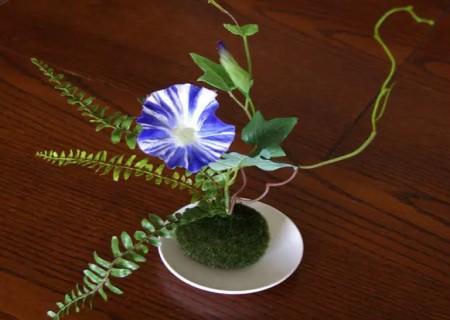
What are the propagation methods for bryophytes?
Mosses are higher plants with a relatively primitive position in the plant kingdom, and they play an "amphibious" role between water and land. They generally thrive in shady, humid environments, have a unique color and delicate texture, grow quickly, and are not easily troubled by pests and diseases; their growth habits and colors are also richly varied.
条件筛选