-
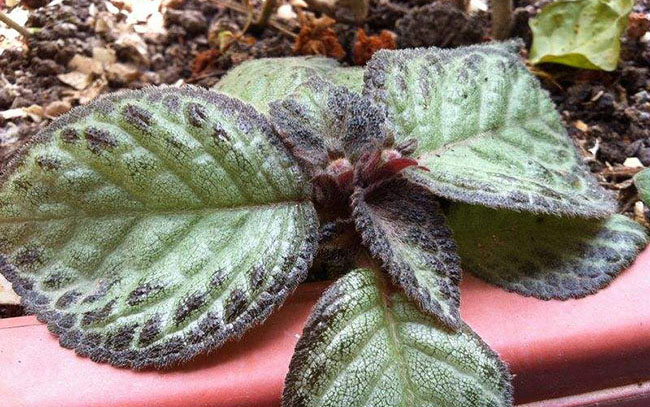
Detailed Guide to the Cultivation Methods and Propagation Techniques of the Episcia
Botanical Features of the Episcia A perennial evergreen herbaceous plant. The episcia plant is low-growing, only a little over ten cm tall, mostly with a trailing habit and many branches. The leaves are opposite, elliptical, dark green or brownish, with serrated edges and a heart-shaped base; the leaf surface is much wrinkled and densely covered with fine hairs, and the silvery-white midrib runs from the base to the tip
-
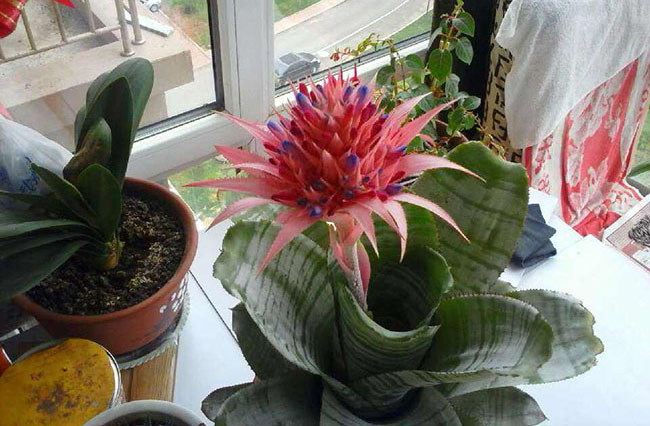
How to Grow Aechmea fasciata? Cultivation Methods and Precautions
Aechmea fasciata Growing Habits: Ornamental bromeliads like warm, humid environments with plenty of sunlight. Only under bright light conditions can they flower normally and produce the most beautiful leaves, but direct midday sunlight still needs to be avoided in summer. The suitable growing temperature is 20-30°C in summer and 15-18°C in winter.
-
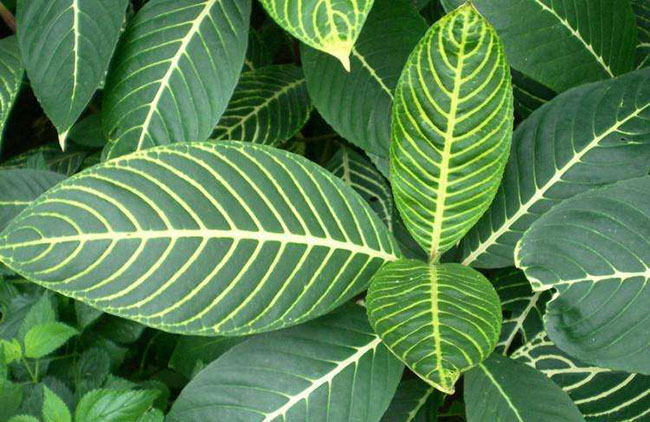
What are the cultivation methods and uses of Sanchezia nobilis?
Sanchezia nobilis Sanchezia nobilis is a shrub in the genus Sanchezia of the family Acanthaceae, growing up to 2 m tall. The leaves have petioles 1-2.5 cm long, and the blades are oblong or obovate, with acuminate or caudate-acuminate tips, cuneate to broadly cuneate bases that run down the stem, and wavy-crenate margins. Morphological characteristics of Sanchezia nobilis: shrub, up to 2 m tall
-
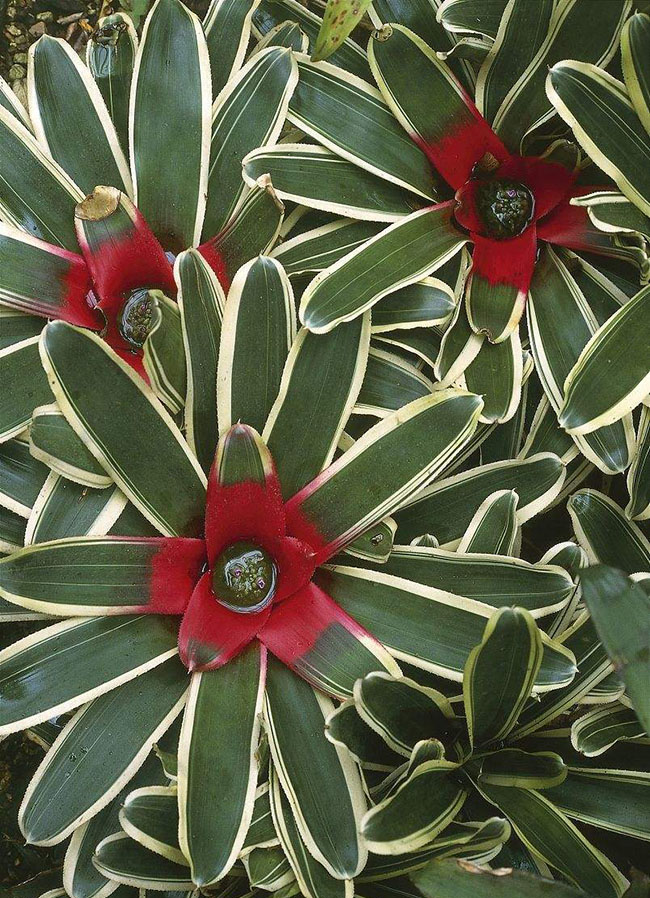
How to Grow Neoregelia? Cultivation, Propagation Methods and Precautions
Growth Habits of Neoregelia Ornamental bromeliads like warm, humid environments with plenty of sunlight. Only under bright light conditions can they flower normally and produce the most beautiful leaves, but direct midday sunlight must still be avoided in summer. The suitable growing temperature is 20-30°C in summer and 15-18°C in winter.
-
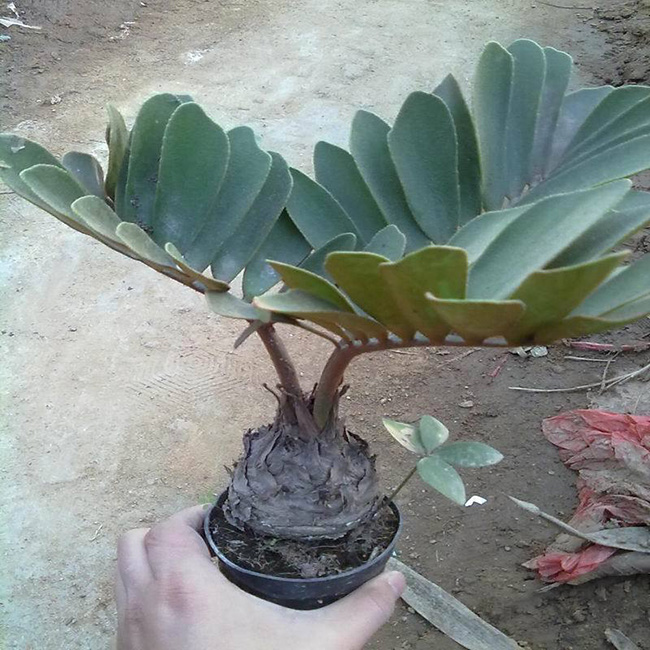
How to Grow Zamia furfuracea (Cardboard Cycad, Broadleaf Cycad)? Detailed Guide to Cultivation Methods and Precautions
Zamia furfuracea, also known as the cardboard cycad or broadleaf cycad, is a plant in the genus Zamia, native to the Americas and other regions. Morphological characteristics of Zamia furfuracea: trunk height 15-20 cm, single trunk or rarely branched, sometimes growing in clumps, thick stem, cylindrical, surface densely covered with rows of dark brown leaf scars
-
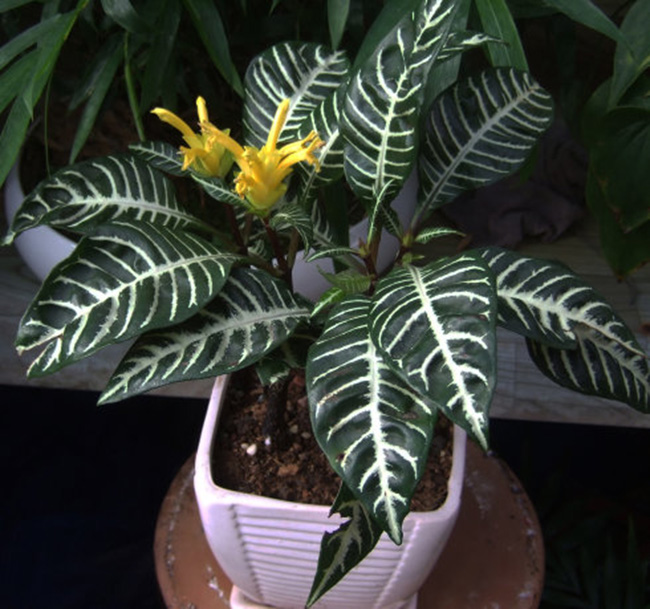
How to Grow Aphelandra squarrosa 'Dania'? Detailed Growing Methods and Precautions
Aphelandra squarrosa 'Dania' Encyclopedia Aphelandra squarrosa 'Dania' (scientific name: Aphelandra squarrosa Nees cv. Dania) is a perennial herbaceous plant. Leaves are opposite, oblong-elliptic; margins entire and slightly rolled inward; dark green, with pale yellow or yellow veins. The flowers form terminal spike inflorescences
-
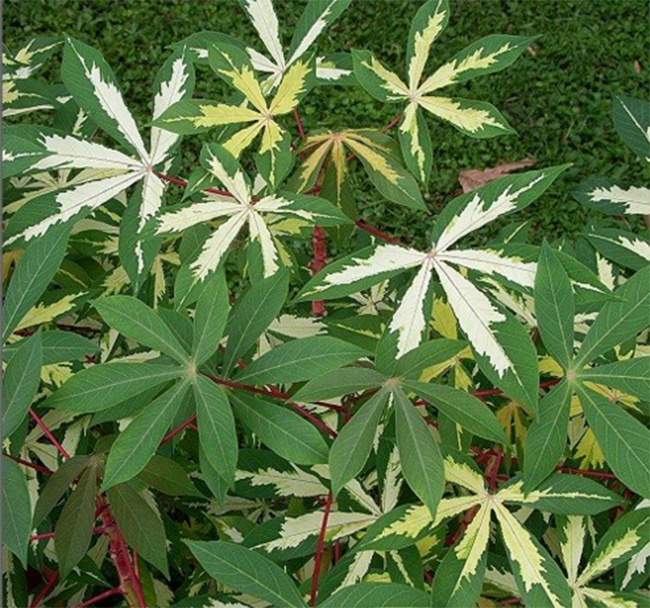
How to Grow Variegated Cassava? Detailed Guide to Cultivation Methods and Precautions
Variegated Cassava Morphological Characteristics: An upright shrub, about 1.5 m tall, with long tuberous roots that are fleshy. Leaves palmately 3-7 deeply lobed, lobes lanceolate, entire, with irregular[1] yellow patches in the center of the lobes. Leaf surface green, petioles red, inflorescences axillary, with several flowers. Prefers a warm and sunny environment.
-
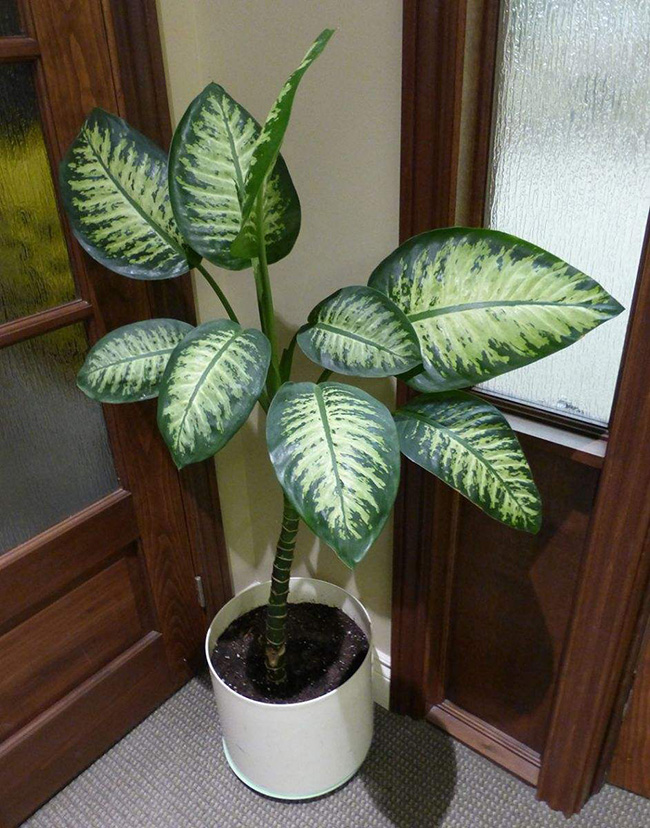
How to Grow Dieffenbachia amoena? Detailed Growing Methods and Precautions
Dieffenbachia amoena Encyclopedia: Dieffenbachia amoena (Dieffenbachia amoena), also known as giant dumb cane and giant spotted dumb cane, belongs to the Araceae family, Dieffenbachia (spotted dumb cane) genus, and is native to the tropical regions of Brazil, Central America, and South America. Dieffenbachia amoena morphological characteristics: perennial evergreen herb
-
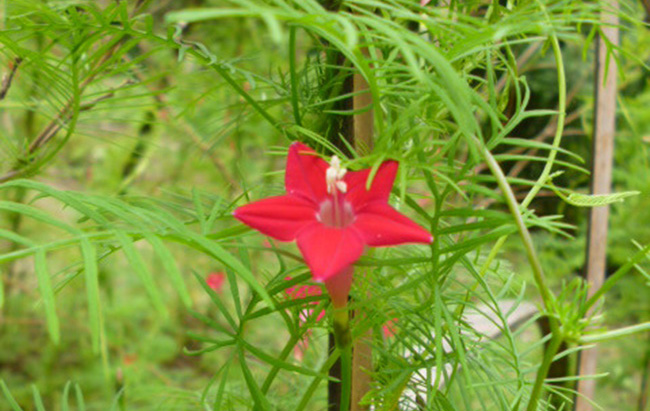
Cultivation Methods and Pest and Disease Control Tips for Scarlet Cypress Vine
Scarlet Cypress Vine Ipomoea coccinea (scientific name: Quamoclit coccinea (L.) Moench), a plant in the Convolvulaceae family, is an annual twining herb. The leaves are heart-shaped, the cymes are axillary, the flowers are orange-red with a yellow throat, and the capsules are ovoid. Scarlet Cypress Vine is native to South America and is averse to cold.
-
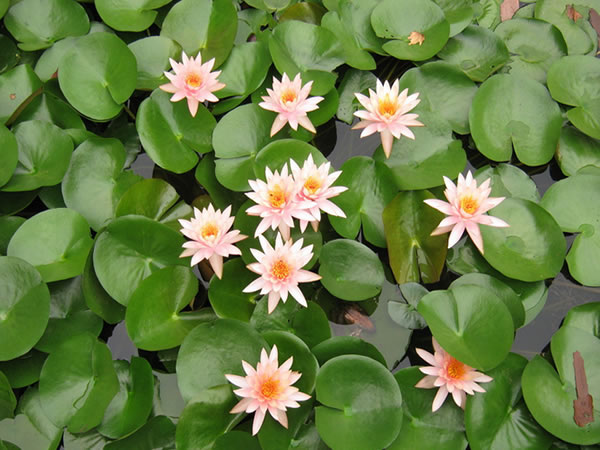
Cultivation Methods for Red Water Lilies and Pest and Disease Control Techniques
Red Water Lily Encyclopedia Red Water Lily: A variety of the white water lily, a perennial aquatic herb; rhizome creeping; leaves papery, nearly round, 10-25 cm in diameter, base with a deep curved notch, lobes sharp, nearly parallel or spreading, entire or wavy, leaf margins with shallow triangular teeth, both surfaces hairless, with small dots; young leaves purplish red
条件筛选