-
Snake Plant Growing Methods and Propagation Tips
Snake plant, also known as tiger tail sansevieria, brocade sansevieria, or thousand-year plant, has firm, upright leaves with white-and-green mottled patterns. It is an evergreen plant and is suitable for keeping at home. Snake...
-
Cultivation Techniques and Pest and Disease Control Methods for Cabomba
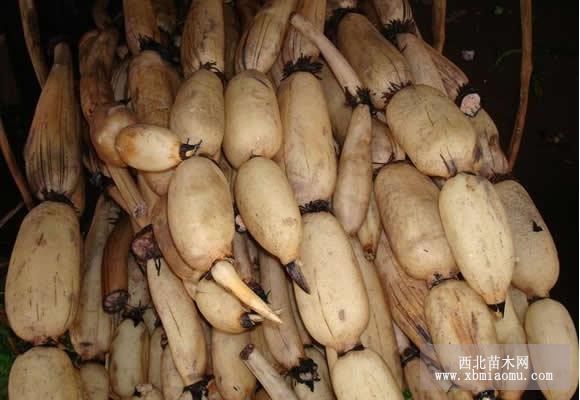
Cabomba Encyclopedia Cabomba, belonging to the plant kingdom, is one of the species in the genus Cabomba within the family Cabombaceae. Native to South America, it has been introduced to aquariums around the world and has naturalized in warm regions. It is a perennial aquatic herb, growing in rivers, lakes, canals and channels in plain water-network areas.
-
How to grow Paphiopedilum orchids? Cultivation methods and precautions
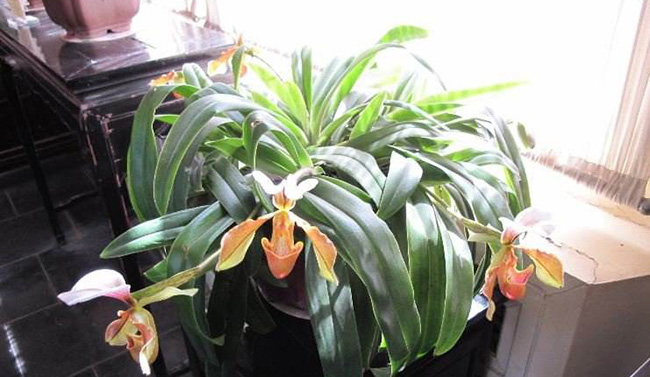
Paphiopedilum encyclopedia Paphiopedilum, also known as slipper orchid. Orchidaceae perennial herb. Most are terrestrial species, with many hybrid varieties. It is one of the most widely cultivated exotic orchids. Mainly distributed under forests in tropical and subtropical Asia. It prefers a warm, humid and semi-shaded environment. The stem is very short; the leaves are band-shaped or oblong-lanceolate
-
How to Grow Oncidium? Master These Growing Methods and Precautions
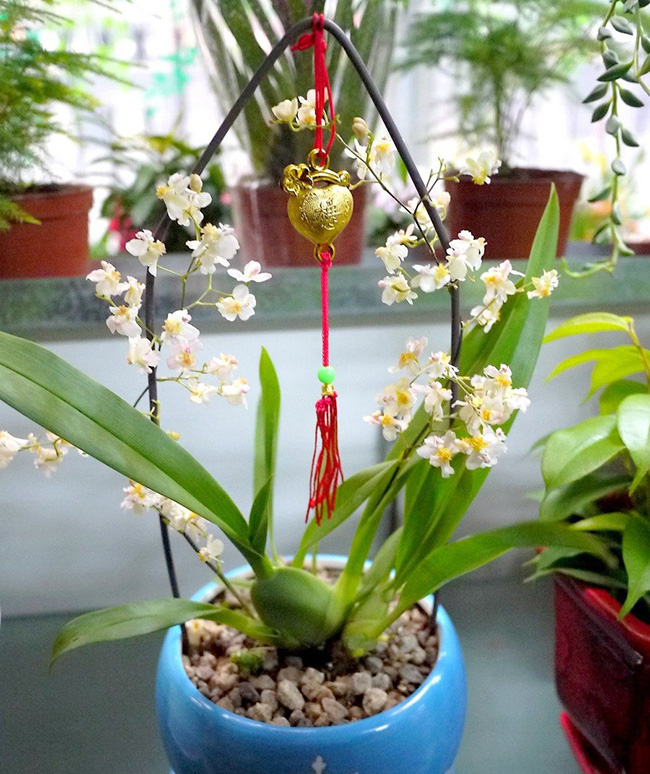
Oncidium Encyclopedia: Oncidium, also known as the "lucky orchid," dancing lady orchid, dancing girl orchid, golden butterfly orchid, tuberculate-lipped orchid, etc., has 1 to 3 leaves and can be divided into thin-leaved species, thick-leaved species and sword-leaved species. It is the general term for plants of the genus Oncidium in the orchid family; this genus has more than 750 native species worldwide.
-
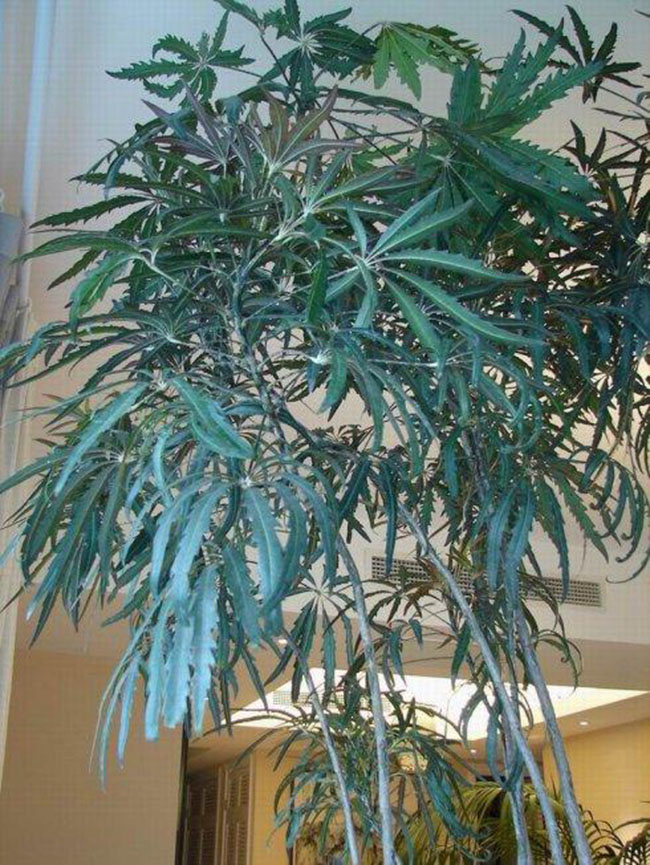
How to Grow a False Aralia? Detailed Guide to Care Methods and Precautions
False Aralia (Araliaceae) False Aralia is also known as: Finger Plant, belonging to the order Apiales, Araliaceae, an evergreen foliage small tree or shrub. Native to Australia and the Pacific Islands. The leaves are leathery, dark green, shaped like slender fingers, with coarsely serrated leaf margins, arranged radially and alternately.
-
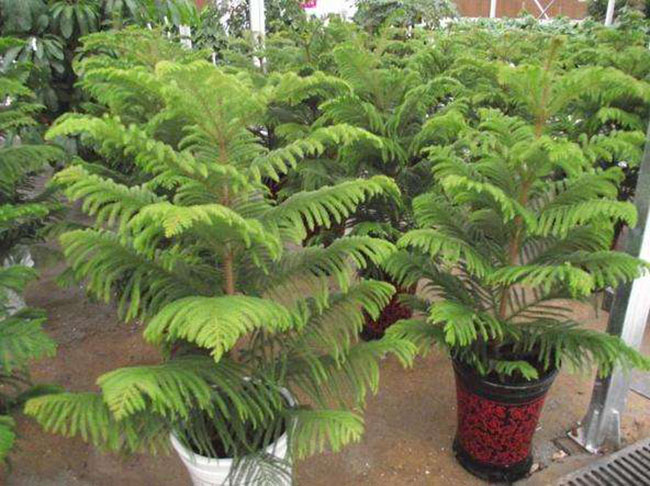
How to Grow Norfolk Island Pine (Araucaria heterophylla)? Detailed Growing Methods and Precautions
Introduction to the Araucaria Plant. Araucaria is a tree that reaches 60-70 m tall in its native habitat, with a trunk diameter of over 1 m, and grayish-brown or dark gray bark that is thick and transversely fissured; the large branches spread horizontally or slant outward, the crown of young trees is spire-shaped, becoming flat-topped with age, and the side branchlets are densely borne, drooping, and nearly pinnately arranged. Araucaria is not cold-tolerant and dislikes drought.
-
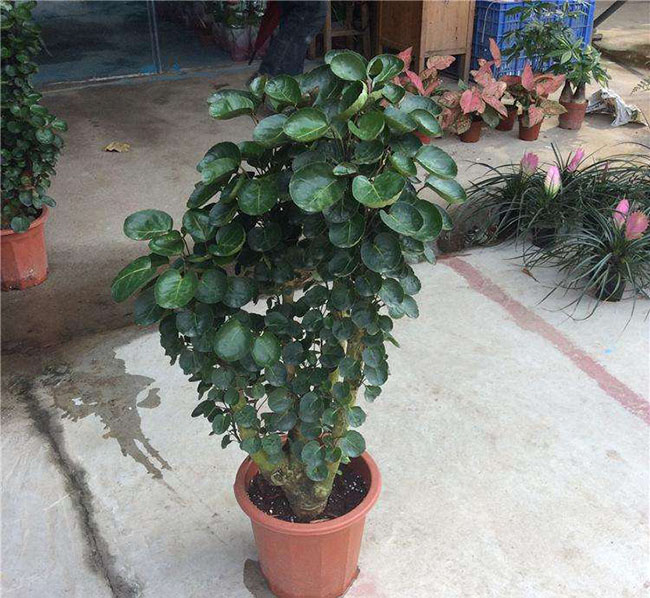
How to grow Polyscias scutellaria? Detailed guide to cultivation methods and precautions
Polyscias scutellariaPolyscias scutellaria, also known as Polyscias scutellaria and Polyscias scutellaria, is an evergreen shrub or small tree of the Araliaceae family and the genus Polyscias. The plant is much branched, with greyish-brown stems densely covered in lenticels. The branches are soft, the leaves alternate, and they are 3-leaflet pinnately compound leaves or simple leaves, with the leaflets broadly ovate or nearly round, heart-shaped at the base
-
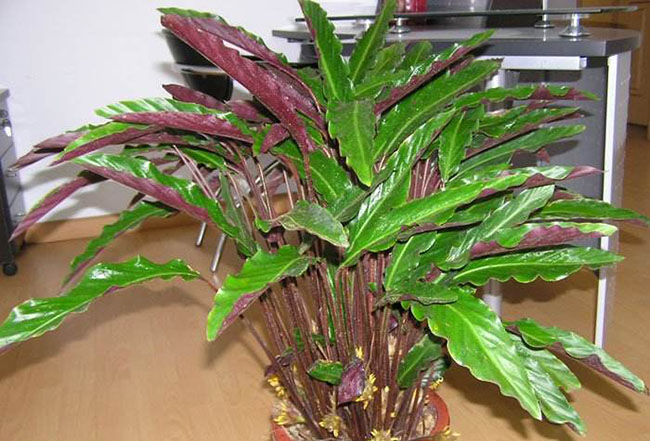
How to grow Calathea roseopicta? Detailed care methods and precautions
Growth habits of Calathea roseopicta. Calathea roseopicta likes to grow in a warm, humid, shaded environment; it is not cold-tolerant, fears drought, and dislikes strong direct sun exposure. Its optimum growth temperature is 20-30°C, and its overwintering temperature is 15°C. The soil for growing Calathea roseopicta should preferably be a sandy soil rich in humus, loose and well aerated.
-
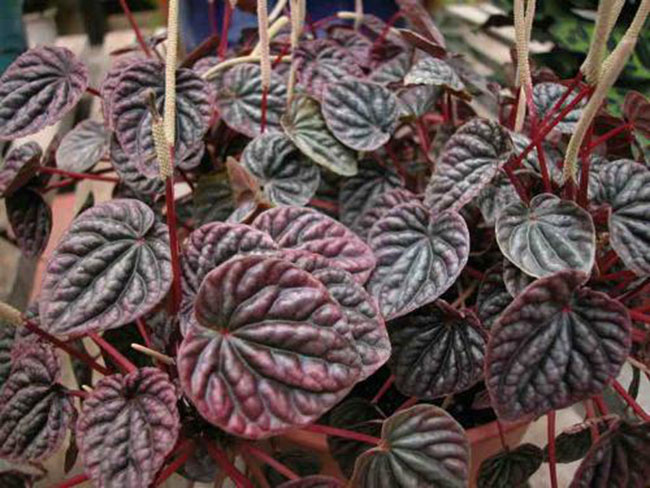
How to grow Peperomia caperata? Detailed guide to cultivation methods and benefits
Peperomia caperata's growing environment prefers partial sun or bright indirect light. The optimal growing temperature is 25-28°C, and the wintering temperature must not fall below 12°C. It prefers a warm, humid environment and well-drained sandy loam, is intolerant of waterlogging, but likes environments with high air humidity. Peperomia caperata morphological characteristics: a clump-forming plant with short stems
-
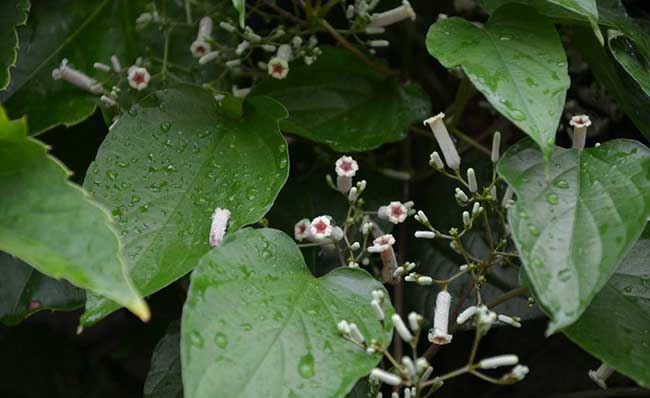
What are the cultivation methods and precautions for the grape ivy (Cissus)?
Morphological characteristics of the grape ivy. Branches: The grape ivy is a herbaceous vine. The branchlets are cylindrical, with longitudinal ridges, often covered with a white powdery bloom, and hairless. Tendrils are bifurcated, separated by 2 nodes, and opposite to the leaves. Leaves: The leaves of the grape ivy are heart-shaped ovate, 5-13 cm long, 4-9 cm wide, with an acute or acuminate apex and a heart-shaped base.
条件筛选