How to propagate hydrangeas? A detailed explanation of common propagation methods
It prefers a warm, humid and semi-shaded environment. It is best grown in fertile, humus-rich, well-drained, slightly clayey soil, with an ideal soil pH of 4.0-4.5.
1. Propagation methods
(1) Division propagation is best carried out before sprouting in early spring, and can be done together with repotting by separating the suckering shoots at the roots.
(2) Layering propagation should be carried out during the rainy season. Select a two-year-old branch, make a wound at a suitable spot, wrap it with nutrient soil using a half-split bamboo tube or plastic film, and keep the soil moist. Roots will form after 1 month. In the spring of the following year, cut it away from the parent plant and plant it in a pot with the soil ball attached.
(3) Cutting propagation can be carried out at any time except winter. In early spring, cut young shoots for cuttings. The cuttings should have 2-3 nodes, and the lower leaves should be removed to reduce water evaporation. Alternatively, in summer during the peak growth period, cut young tender side shoots sprouting from the base of the main stem and side branches, insert them with leaves into plain sand, and place them in a shaded spot to maintain moisture. Roots will form in about 20 days, with a high survival rate.
2. Cultivation and management: During the growth period, apply fertilizer once every 2-3 weeks to promote plant growth and flower bud differentiation. The potting soil is usually an equal mix of loam, leaf mold or compost soil, with an appropriate amount of river sand added. At the end of October, move the plant into a low-temperature greenhouse, control watering, and keep the temperature at 3-5°C so the plant can enter full dormancy.
Hydrangea growing methods and precautions, and hydrangea propagation methods
Hydrangea is a very important summer flowering shrub that can be planted almost anywhere, but when grown on home windowsills and balconies, it makes the home feel full of charm. So what are the growing methods and precautions for hydrangeas? Let's take a look together!
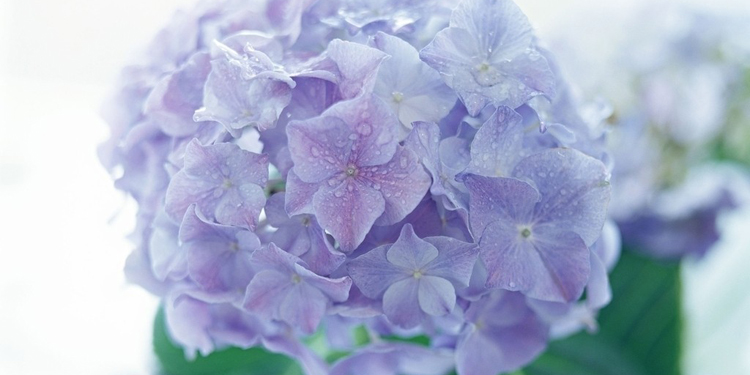
I. Basic information about hydrangea
Hydrangea, also known as eight immortals flower, ziyang flower, seven changes, foreign hydrangea and pompon flower, originated in the Sichuan area of China and Japan. It is a deciduous shrub of the genus Hydrangea (scientific name: Hydrangea) in the family Saxifragaceae. Its flowers are almost entirely sterile flowers; the so-called “flowers” are merely sepals.
China cultivated hydrangeas relatively early. Hydrangeas were planted in Jiangnan gardens built during the Ming and Qing dynasties. Parks built in the early 20th century also could not do without hydrangea plantings. Modern parks and scenic areas plant them in large patches to form landscapes. Artificially bred hydrangeas have large flowers and vivid colors, including blue, white, purple-red, pink and peach red, and are a common ornamental flowering shrub.
II. Hydrangea growing methods and precautions
1. Soil: The best soil for growing hydrangeas is loose, fertile and well-drained sandy loam. However, flower color is affected by soil acidity and alkalinity: acidic soil produces blue flowers, while alkaline soil produces red flowers.
2. Watering: The potting soil for growing hydrangeas should be kept moist, but watering should not be excessive. Especially in the rainy season, pay attention to drainage to prevent root rot caused by waterlogging. In winter, indoor potted plants are better kept slightly dry. If too wet, the leaves are prone to rotting.
3. Light: Hydrangea is a short-day plant. During normal cultivation, avoid direct sun exposure, and 60%-70% shade is ideal. When sunlight is too strong in midsummer, appropriate shading can prolong the flowering period.
4. Temperature: The suitable growing temperature for hydrangea is 18-28°C, and the winter temperature should not be lower than 5°C. Flower bud differentiation requires 6-8 weeks at 5-7°C. A temperature of 20°C can promote flowering, and maintaining 16°C after flowers appear can prolong the flowering period. Note that high temperatures cause the flowers to fade quickly.
5. Fertilizing: The flowering period of hydrangea is June-July. During the flowering period, fertilizer and water should be sufficient, with fertilizing once every half month.
6. Pruning: After hydrangea blooms, pay attention to removing the flower stems to encourage new branches. Proper pruning can keep the plant shape attractive.
7. Pests and diseases: Hydrangea mainly suffers from wilt disease, powdery mildew and leaf spot disease. Spray with 65% zineb wettable powder at 600 times dilution for control. Pests include aphids and plant bugs, which can be killed by spraying with 40% omethoate emulsifiable concentrate at 1500 times dilution.
III. Hydrangea propagation methods
Cutting, division, layering and grafting are commonly used for propagation, with cutting being the main method. During the plum rain season, select robust young shoots from a young mother plant as cuttings. The base of the cutting needs to have a node and be dipped in mud slurry, with a length of about 20 cm, and the lower leaves removed. The suitable temperature for cutting is 13-18°C. After cutting, shade is needed and moisture should be kept constant. Roots form in about 15 days to 1 month, and after surviving, they can be transplanted in the second year. Division propagation is best carried out before sprouting in early spring. Separate rooted branches from the mother plant and pot them directly. Do not water too much; keep them in semi-shade for care, and after new buds sprout, switch to normal care. Layering propagation can be carried out when buds begin to swell. Growth occurs after 30 days, and in the spring of the following year, cut it from the mother plant, transplant with soil, and it can bloom that same year. Generally, air layering is carried out in spring from March to April, roots form in June-July, and it can be cut off and planted separately that same year. For grafting propagation, use seedlings of Chinese snowball viburnum as rootstock and do cleft grafting in spring, which makes it easy to survive. Transplanting is best done after leaf fall or before sprouting, and the original soil should be kept. The main branches easily produce vigorous water sprouts, so proper pruning is needed after flowering to shape the tree.
Hydrangea propagation methods
Image: hydrangea planting
[Common questions] Hydrangea propagation methods
[Expert answers]
1. Division propagation
This is best carried out before sprouting in early spring. Separate rooted branches from the mother plant and pot them directly. Do not water too much; keep them in semi-shade for care, and after new buds sprout, switch to normal care.
2. Layering propagation
Carry this out when buds begin to swell. Growth occurs after 30 days. In the spring of the following year, cut it from the mother plant, transplant with soil, and it can bloom that same year.
3. Cutting propagation
Carry this out during the plum rain season. Cut terminal young shoots about 20 cm long, remove the lower leaves, and use a suitable cutting temperature of 13-18°C. Roots form 15 days after cutting.
4. Tissue culture
Use dormant buds as explants, disinfect them routinely, and inoculate them on MS medium supplemented with 6-benzylaminopurine 0.8 mg/L and indoleacetic acid 2 mg/L to cultivate adventitious buds. When the shoots reach 2-3 cm in height, transfer them to 1/2 MS medium supplemented with indoleacetic acid 2.0 mg/L to grow into complete small plantlets.
[Editor's comments] The above is "Hydrangea Propagation Methods" introduced to you by the First Agricultural Economics editor. For more related materials, such as"Hydrangea Pruning and Flower Forcing Techniques", "Sharing Key Points for Eight Immortals Flower Care", "Common Pest and Disease Control of Hydrangea/Eight Immortals Flower", "Hydrangea Growing Methods and Precautions"and so on, please follow the relevant columns or special topic channels of First Agricultural Economics. We will wholeheartedly provide you with more comprehensive and professional materials!