Training and Pruning Methods for Serissa Bonsai
Serissa (Serissa japonica), also known as snow-in-June, has small leaves and produces small white flowers in midsummer, hence its name "June snow." Bonsai made from serissa feature exposed roots and claws, an elegant and unrestrained appearance, varied postures and a unique charm.
Serissa branches are soft and easy to wire into shape, and young trees can be made into miniature bonsai. In the south, large and medium-sized bonsai are mostly made by digging old stumps from the wild, cutting all branches short, and "growing the stock" for one year, after which shaping can begin the following year. The common shaping method is coarse wiring combined with fine pruning: the main trunk is wired into a small regular "S" shape, while side branches and fine branches are mostly shaped by pruning.
Serissa has strong sprouting ability, tolerates pruning well, has soft branches and many fibrous roots that are twisted and irregular. Based on these characteristics, it can be made into various bonsai forms such as raised-root style, rock-clinging style, cascade style, and connected-root style. After wiring, branches should be left for about 2 years to set in shape; if the wiring is removed too early, the branches often tend to revert to their original form, wasting all the previous effort.
Serissa should be pruned twice a year: the first time in mid-April, which benefits flowering in June; the second time after the flowers fade, cutting off the flowered branch tips to encourage new shoots. Root suckers and overly dense branches should be removed at any time. During the growing season, pinch back regularly so that the branches and leaves meet the shaping requirements.
How Many Years Can a Serissa Bonsai Live? Serissa Bonsai Making Methods / Pruning Is Key
Serissa is a very beautiful flowering plant with a graceful form and a compact overall size, making it an excellent choice as a bonsai placed indoors. In life, we believe in "doing it yourself for a full life," so since serissa bonsai is so beautiful, have you ever thought of making one yourself? However, making bonsai is not a simple task. Next, let me introduce the methods for making serissa bonsai.
I. How Many Years Can a Serissa Bonsai Live? Up to 20 Years
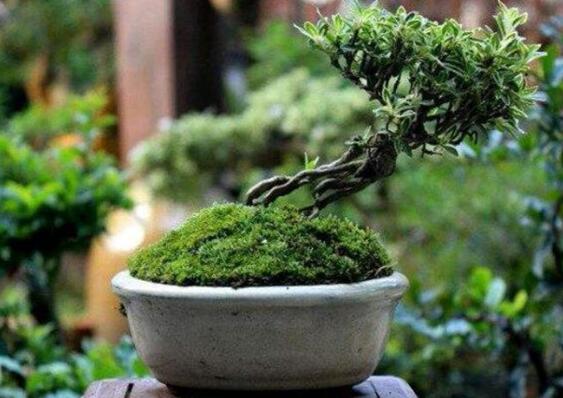
As a deciduous small shrub, serissa is very easy to manage, and if you follow the serissa cultivation methods, its lifespan is generally very long. As for how many years a serissa bonsai can live, this mainly depends on care: some die within less than a year, while others can be kept for 20 years! Below, we will focus on introducing the methods for making serissa bonsai.
II. Methods for Making Serissa Bonsai
1. Types of Bonsai
Before learning how to make serissa bonsai, we should first know its bonsai types. It is said that serissa's branches are soft yet tough, very tolerant of pruning, and can withstand wiring. Under these conditions, serissa bonsai forms have also become diverse, mainly three types: straight-trunk style, twisted style, and cascade style.
In practice, many flower enthusiasts choose the cascade style, which generally requires a taller pot. Depending on the degree of slant, the cascade style is divided into three types: semi-cascade, where the trunk basically extends horizontally from the pot rim; full cascade, where the trunk hangs down at 45 degrees below the pot rim; and small cascade, where the trunk generally hangs down at about 30—40 degrees.
2. Bonsai Making
Now that we understand the bonsai types, let's formally begin making serissa bonsai. It can be divided into three steps: collecting the stump, processing, and transplanting.
1. Collecting the Stump
You can use serissa propagation methods, dividing in March or taking cuttings from April to October. Generally, serissa can take shape in three years and become a scenic bonsai in five years, at which point the stump can be collected as the basis for a serissa bonsai. In addition, in the southeastern and central provinces and regions of China, you can also dig up wild tree stumps from the field for cultivation and processing.
2. Processing
Once the source of stump material is settled, the next step is processing to create the shape that flower enthusiasts want. You can use the “grow-wood and truncate-trunk method” or the “pruning-and-wiring combined method” to process the stump material. Next comes wiring, which is usually carried out from after serissa partially drops its leaves in winter to before bud break in spring: the main trunk and main branches are wired with metal wire, and small branches are shaped through fine pruning.
Wiring: a shaping method of Hui-style bonsai. Coarse wiring is the process of wiring the main trunk and large branches of a shaped plant with palm rope, palm fiber, palm strips and metal wire to form a supple, curved posture.
3. Transplanting and Potting
Following the above steps, the making of the serissa bonsai is almost complete, with only transplanting and potting remaining: it is best done in February-March, and can also be done during the plum rain season or in late autumn.
4. Choosing Pot and Soil
Pot: For serissa bonsai, it is best to use a relatively shallow rectangular or oval pot; the material should preferably be purple clay pottery or glazed pottery, and the color should be dark.
Soil: According to serissa's growth habits, you can choose leaf mold or dried, frozen and loosened pond mud as the potting soil, line the bottom of the pot with a layer of river sand and leaves, then transplant the seedling into it in early spring or late autumn; when planting, part of the long roots can be cut off.
5. Care and Pruning
After the serissa bonsai is made, what follows is later care. You should repot once every 1-2 years, in February—March of spring or in late autumn, discarding all the old soil and appropriately pruning the roots; you can combine repotting with raising the roots to form exposed roots and enhance ornamental value. As for how to prune serissa, it has already been introduced above, so I won't say more here.
Overall, serissa is very easy to grow and is very suitable as a bonsai placed indoors for people to enjoy. But making serissa bonsai is not a simple task, and everyone should act according to their ability. Of course, veterans can begin your performance; finally, may everyone be able to make a beautiful serissa bonsai.
How to Prune Serissa: Pruning Methods for Serissa Bonsai / Prune in April, Flowers Bloom in June
Serissa is a plant very suitable for bonsai, and keeping it at home gives an excellent ornamental effect. Growing serissa is very simple, but making serissa look good is not an easy thing, because it involves pruning. So how do you prune serissa? Next, let the editor tell you the pruning methods for serissa bonsai; those who don't know should definitely take a look~
I. How to Prune Serissa: Timing / Methods
If you want your serissa bonsai at home to look good, flower enthusiasts must prune it! It is said that serissa has strong sprouting ability, is very tolerant of pruning, and its branches are soft, twisted and irregular, so everyone can use their imagination and prune boldly to create the shape they like! As for how to prune serissa, we can explain it in detail from timing and methods.
(1) Pruning Time for Serissa
To prune serissa perfectly, you must first choose the right pruning time. Based on the information the editor has compiled, serissa is best pruned twice a year: once in mid-April, after which pruning benefits flowering in June; the second time after the flowers fade (after July), cutting off the branch tips that have flowered to encourage new shoots. New buds growing from residual stem roots at the base and overly dense branches should all be removed at any time.
(2) Pruning Methods for Serissa Bonsai
1. Pruning Positions
In the pruning methods for serissa bonsai, we must first know the pruning positions: protruding growth parts, densely growing parts, and parts affected by pests or diseases should all be pruned. Simply put, shorten long branches, thin out dense branches and leaves, and directly cut off pest- or disease-affected parts to avoid spreading to healthy growth.
Note: During the growing season, you should also pinch back, remove buds, and remove side shoots in a timely manner to maintain a beautiful shape. The healthy branches cut off can be used for cutting propagation. As for how serissa is propagated, it was introduced in detail earlier, so I won't say more here.
2. Pruning Methods
In a serissa bonsai, select about 5 as main trunks, and cut off the leggy parts at the bottom. During growth, if a main trunk also grows too long, the top tips of the main trunk branches should be cut off.
In addition, we should continuously cut off old branches and dense branches growing from the roots, as this helps root growth and prevents other parts from blocking the light. Old branches should be cut flush at the place where new buds grow from the stem roots, without leaving stubs, and then use your hands or a small knife on the branches that sprout during the growing period.
3. Shaping and Pruning
As mentioned earlier, serissa is very tolerant of pruning, so flower enthusiasts need not worry about cutting it badly. Every year, from after it partially drops its leaves in winter to before bud break at the Start of Spring, one shaping and pruning should be carried out: shorten long branches and leggy branches, thin out overly dense slender weak branches, and cut off pest- and disease-affected branches as well as other messy branches that affect the ornamental effect.
4. Repotting and Pruning (Roots)
In the serissa cultivation methods, we once said that serissa should be repotted once every 1-2 years, generally in February-March of spring. At this time, you can combine repotting with appropriate pruning of the plant's roots to form exposed roots and enhance ornamental value.
5. Pruning and Shaping
Serissa branches are soft, twisted and irregular. Based on these characteristics, you can prune it into various shapes, such as curved-trunk style, slanting-trunk style, cascade style, forest style, and so on, shaping it according to personal preference.
III. Precautions for Pruning Serissa Bonsai
1. Pruning Principles
After knowing how to prune serissa, there are still some points we need to pay attention to. First, when pruning serissa bonsai, we should grasp the principle of "prune strong main branches lightly," so as to conveniently regulate the growth of the main branches; for side branches, adopt the principle of "prune strong side branches heavily and weak side branches lightly," in order to regulate branch vigor and promote flowering.
2. Do Not Prune Frequently
In addition to mastering the pruning principles, another point to note is: do not prune frequently over the long term, otherwise it will cause newly grown young branches to wither and become diseased, affecting the growing shape.