-
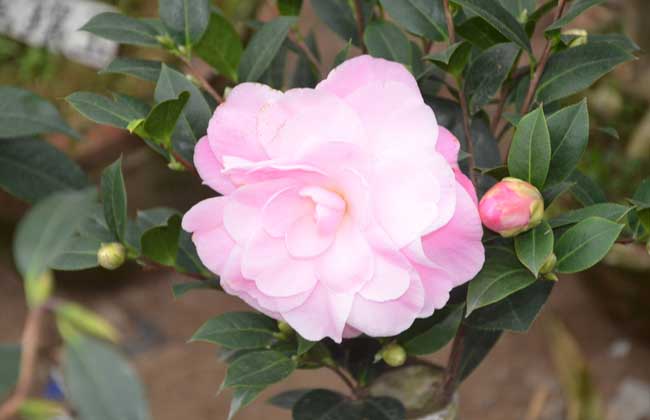
Detailed Explanation of Camellia Planting Methods and Care Points
Camellia planting methods. The camellia is native to China's Yunnan-Guizhou Plateau, where winters are not severely cold, summers are not scorching hot, rainfall is abundant, air humidity is high, sunlight is soft, there are no dry winds, and the soil is acidic. Growing camellias in the south is relatively easy, but the climate and soil in northern China are the exact opposite of the south. Therefore
-

How to care for variegated ivy in summer? Detailed care methods
Summer care for variegated ivy. Variegated ivy grows best at temperatures of 15-25°C. The hot, stuffy climate of summer is very unfavorable for the growth of variegated ivy. When the outdoor temperature reaches above 28°C, it needs to be placed in a cool, ventilated spot indoors or in a semi-shaded spot outdoors.
-
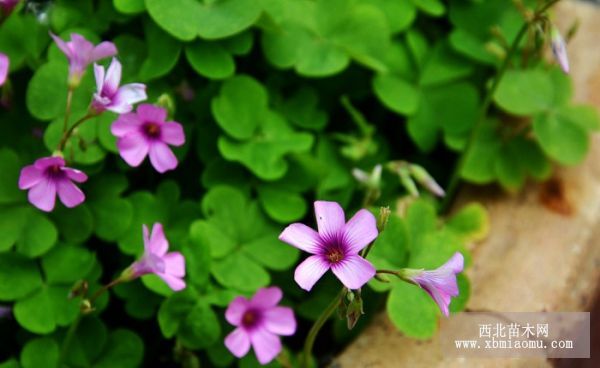
How to Propagate Red Wood Sorrel? Detailed Propagation Methods
Propagation Methods of Red Wood Sorrel. Oxalis bowiei is a perennial herbaceous plant in the family Oxalidaceae, favoring full sunlight and well-drained, loose, fertile sandy loam. Oxalis bowiei is native to South Africa. Another commonly seen species in the same genus is red wood sorrel (Oxalis corymbosa), which has fleshy, semi-translucent roots and pale rose-purple flowers about 4 cm in diameter
-
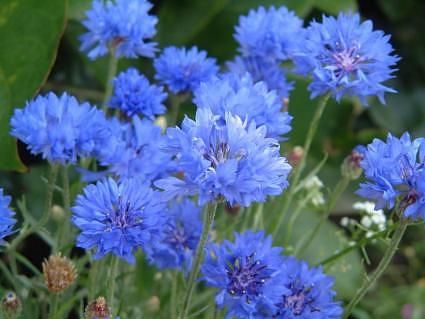
Cornflower Planting Methods and Key Technical Points
Cornflower planting methods. Cornflowers have rich colors, unique flower shapes, and a long flowering period. They can be used for cut flowers or as flower border material, and dwarf varieties are more suitable for planting in flower beds. Cornflower is a biennial herbaceous plant of the Asteraceae family, native to southeastern Europe, with strong cold resistance and adaptability, and likes sunlight.
-
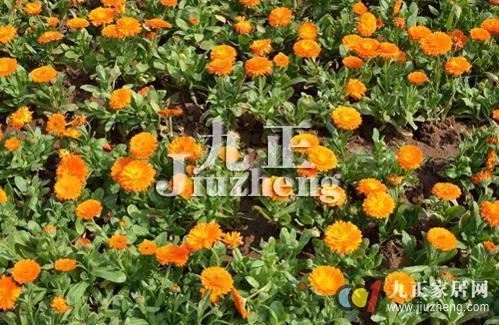
What are the planting methods for pot marigold? A complete guide in one article
Planting methods for pot marigold. The flowers of pot marigold come in single and double forms, with colors ranging from pale yellow, yellow to golden yellow. In winter, low temperatures, short daylight hours and weak light intensity greatly affect the depth of flower color. Pale yellow or yellow flowers are affected by these conditions, and their color becomes relatively paler, even tending toward white, so
-
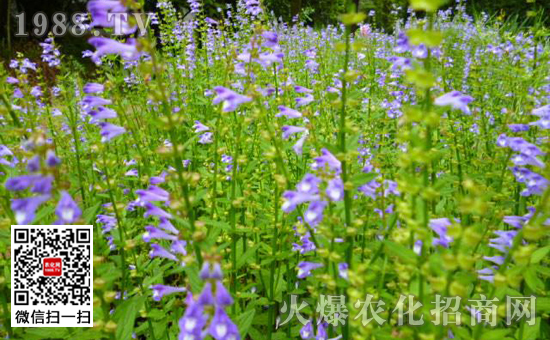
What are the planting methods for Scutellaria barbata?
Planting methods for Scutellaria barbata. The plant grows 30-40 cm tall. The lower part of the stem creeps and roots, while the upper part is upright; the stem is square and green. The leaves are opposite, with triangular-ovate or ovate blades, wavy blunt teeth along the edges, larger lower leaves, and very short petioles. The flowers are small, borne in opposite pairs. The flowering period is from May to June.
-
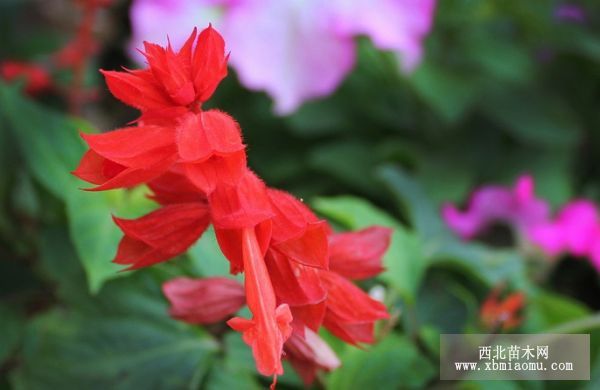
What are the summer care methods for scarlet sage?
Summer care for scarlet sage? Scarlet sage (Salvia splendens) is native to South America and prefers a warm, humid climate. Its suitable growing temperature is 20-25°C, and it dislikes heat and drought. In the hot summer months, temperatures often reach around 35°C. Harsh conditions such as blazing sun and drought without rain will affect the growth of scarlet sage.
-

How to grow Camellia sasanqua? Detailed care methods and tips
How to grow Camellia sasanqua: it is usually propagated by cuttings, and within 1-2 years after cuttings it should not be allowed to bloom, so as to build a good tree shape; only after 3 years can it be allowed to bloom. In terms of management, the main things to master are soil, fertilizer, water and light. For the potting soil, choose leaf mold with acidic, loose and fertile characteristics, so as to suit the growth of Camellia sasanqua
-

How Do Water Lilies Reproduce? A Detailed Guide to Common Propagation Methods
How do water lilies reproduce? Water lilies are mostly propagated by dividing the underground rhizome. Pond-grown water lilies are mainly used for landscaping water features and decorating pond fountains; they are usually planted in flowerpots and then placed in the pond. After a water lily grows in a pot for 1 year, the rhizome and fibrous roots will fill the pot, so it needs to be divided and replanted every spring, with each pot yielding about 3 pots when divided.
-
How to Deal with Root Rot in Sago Palm? Detailed Analysis of Causes and Treatment Methods
How to deal with root rot in sago palm? A bare-root sago palm was purchased and after 2 months of planting and care, the leaves withered and the roots rotted. Sago palm root rot is mainly caused by the following reasons. First, because the sago palm was bare-rooted and transported from the south to the north without the necessary wind protection and cold protection measures, its root system was severely damaged and could no longer provide water to the plant.
条件筛选