-
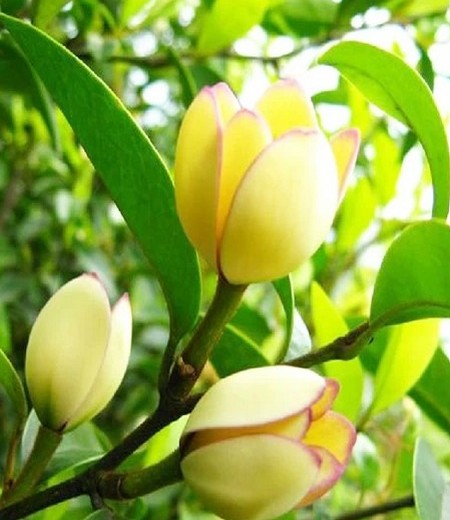
How to shape a banana shrub bonsai? Detailed methods and techniques
Banana shrub (Michelia figo) is a traditional ornamental plant. Many friends worry about whether it is toxic and fear it may affect their family's health. In fact, it is not toxic; on the contrary, it has excellent household benefits, medicinal value, and beauty and health benefits. The banana shrub's branches are elegant, its leaves are green, and its flowers are especially charming when in full bloom, giving off a rich fragrance.
-
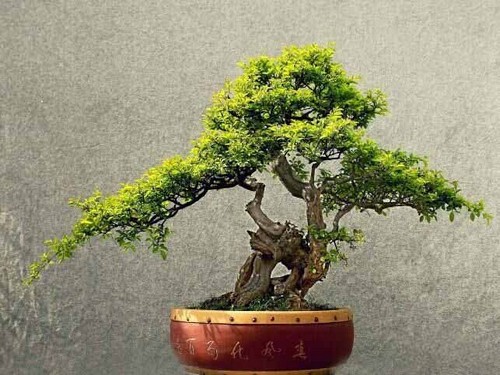
How to prune a Chinese sweet plum bonsai? Detailed pruning methods and techniques
In gardens, the Chinese sweet plum can be used as a hedge or vertical greening material, and it is also suitable for planting among rocks. This plant is extremely adaptable and not demanding about soil; it can adapt to acidic, neutral and calcareous soils, and it is drought-tolerant, tolerant of waterlogging and tolerant of poor soil.
-
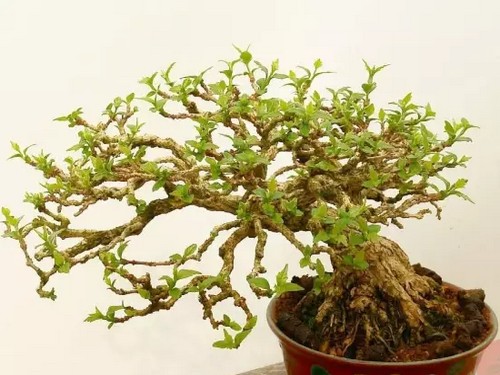
A Detailed Guide to Bonsai Pinching Techniques: Methods and Key Operation Points
Pinching, also known as topping, refers to removing the terminal bud of the shoot tip on a plant's main stem or lateral branch. It can remove the plant's apical dominance, inhibit the growth of the main branch, encourage the plant to produce more lateral branches, promote dwarfing of the plant, enrich the plant's form, and increase the sites and number of flowers. Pinching can also adjust the plant's vegetative growth
-
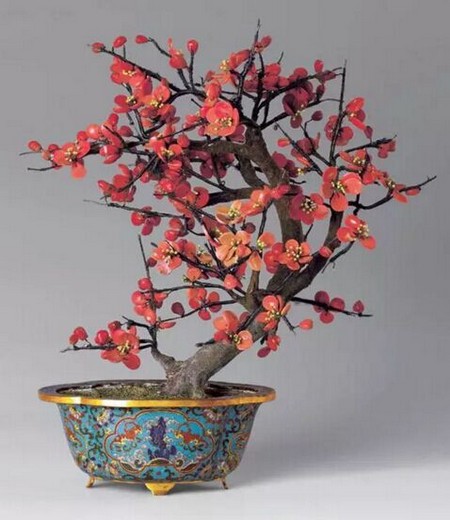
What are the fertilization methods for wintersweet bonsai?
Any plant needs a certain amount of nutrients to be grown well. Although wintersweet can withstand severe cold, fertilizer is something that still cannot be skimped on where it is needed. In fact, wintersweet is a flower that very much likes fertilizer. So when growing wintersweet bonsai, be careful to preferably choose fertile soil
-
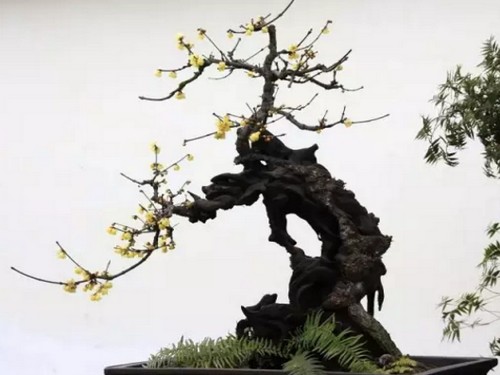
How to shape a wintersweet bonsai? A detailed guide to practical methods
In Yanling, Henan, the hometown of wintersweet, traditional wintersweet bonsai forms include single-trunk plum, dragon plum, knot plum, single-hanging-branch plum, double-hanging-branch plum, round-hanging-branch plum, screen-fan plum, and pearl upside-down roller blind, among others. It can be shaped by training and wiring young trees, or by using old, rugged dog-tooth wintersweet stumps as rootstock.
-
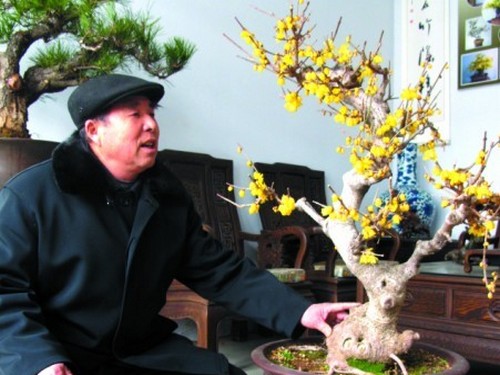
How to shape wintersweet bonsai? Detailed explanation of methods and principles
There are many ways to shape wintersweet bonsai. Taking the Sichuan-style bonsai as an example, they make wintersweet bonsai mostly in the "rolling dragon style," whose characteristic is a momentum like dragons flying and phoenixes dancing. If wintersweet is to keep a tree form, shape it after new branches grow; if making a stump landscape, cut off the upright branches and shape it after new branches emerge the following year
-
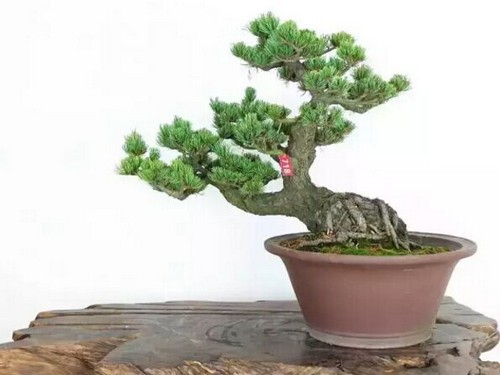
A Detailed Guide to the Correct Fertilization Methods for Pine Bonsai
In the wild, pines mostly grow in barren or high-altitude areas. They are a sun-loving (heliophilous) pioneer tree species, which is to say that pines do not need much fertilizer to grow well. In horticultural cultivation, however, fertilizer is still applied in order to make the trees grow quickly and shorten the cultivation time.
-
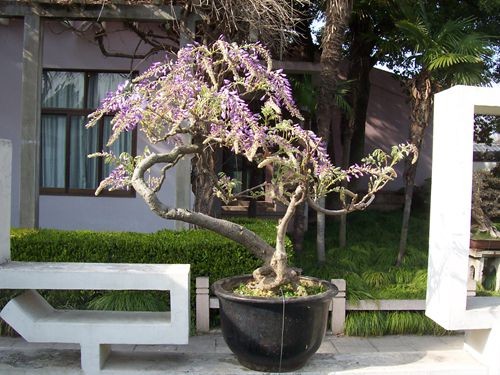
Detailed Explanation of Wisteria Bonsai Pruning Techniques and Methods
Common styles for wisteria bonsai include curved-trunk, slanting-trunk, weeping-branch, cascade, waterside, and rock-clinging forms; the style can be chosen according to the different shapes of the stump. Because its leaves are relatively large, the crown is usually trained in a natural style rather than being wired into cloud-pad shapes. The training method relies mainly on pruning
-
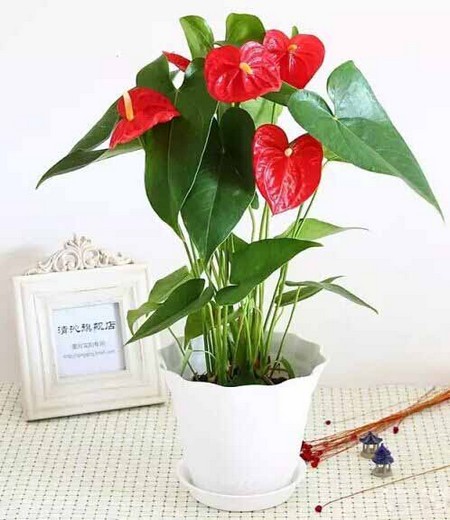
What are the propagation methods and precautions for Anthurium?
Anthurium and other flowers of the same genus are emerging cut flowers and potted flowers both domestically and abroad. Each flower can last up to one month, and they can bloom all year round. Because the spathes of Anthurium are brilliantly colored, the plants are attractive, and the ornamental period is long, market demand is increasing. Potted flowers are mostly used indoors as decorative flowers on coffee tables and desks.
-
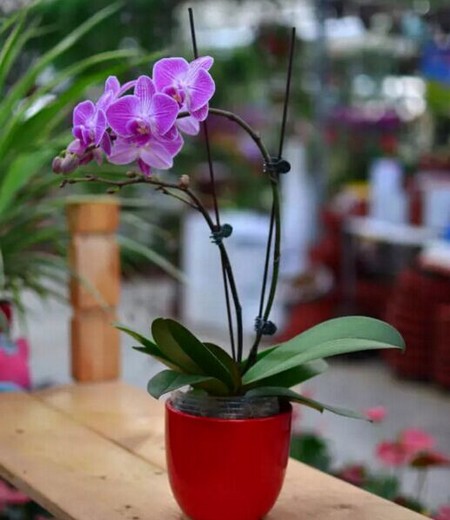
What are the home pot-culture propagation methods for Phalaenopsis?
Phalaenopsis is an epiphytic orchid native to the tropics and has long been known as the "Queen of Orchids." It bears a raceme with many flowers; the flowers resemble butterflies in shape, with brilliant and richly varied colors, and a very long blooming period. It is one of the most widely and commonly cultivated species in the orchid family, deeply loved by people around the world. As a very important indoor flower
条件筛选