-

How to prune a pomegranate flower bonsai? Detailed methods
Pomegranate flowers are often kept as ornamental plants because of their beautiful appearance, and they bear fruit after the flowers bloom and mature. Next, let us take a look at one of the most important parts of the daily care of pomegranate flowers: pruning. The mixed buds of the pomegranate are borne at or near the top of vigorous short branches. For these branches, they should be retained when pruning during the dormant period.
-
What are the propagation methods for tulips? A guide to easy mastery
Home tulip planting is usually done in patches or with multiple plants, set in a garden plot. Every April, the garden fills with blooms and the fragrance is captivating. Do you envy other people's tulips? Follow the methods below, and you too will become the one others envy! How do tulips propagate?
-
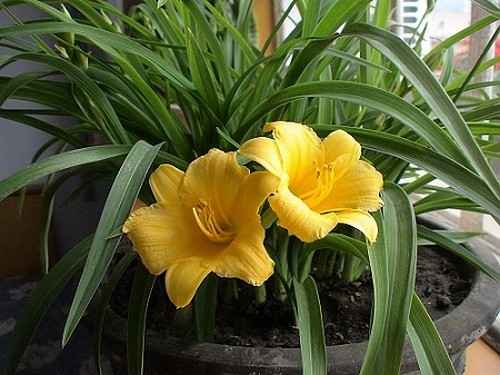
What are the propagation methods for the golden doll daylily?
The golden doll daylily is a cultivated horticultural variety of daylily. It has underground rhizomes and fleshy, enlarged spindle-shaped tuberous roots. The leaves are basal, linear, arranged in two rows, about 25 cm long and 1 cm wide. The plant height is 30 cm, and the flower scape is robust, about 35 cm tall. The inflorescence is a helicoid cyme with 7 to 10 flowers.
-
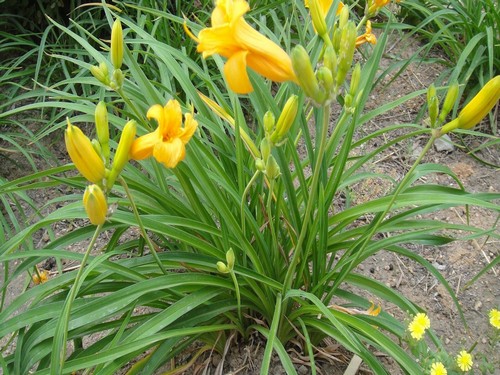
What are the propagation methods for daylilies? A detailed guide
The daylily is distributed from southern Europe through northern Asia all the way to Japan, but its main production area is the Yangtze River basin in China. It has wide adaptability, prefers moisture but also tolerates drought, likes sunlight but also tolerates partial shade, and can grow in ordinary soil, but sandy loam that drains well and is rich in humus is best. New shoots sprout in early spring
-
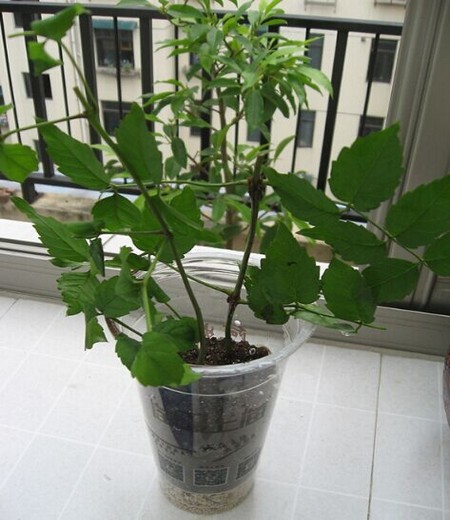
Chinese Trumpet Creeper Propagation Methods and Key Points of Seedling Management Techniques
Chinese trumpet creeper (Campsis grandiflora) originated in central China and has a cultivation history of more than 2000 years. A complete flower of Chinese trumpet creeper is about 4-5cm, and the color is extremely vivid, mostly yellow-brown to brown. The propagation of Chinese trumpet creeper is mainly by layering and cuttings. Because Chinese trumpet creeper grows fast and blooms many times, attention should be paid to pruning and fertilizing.
-
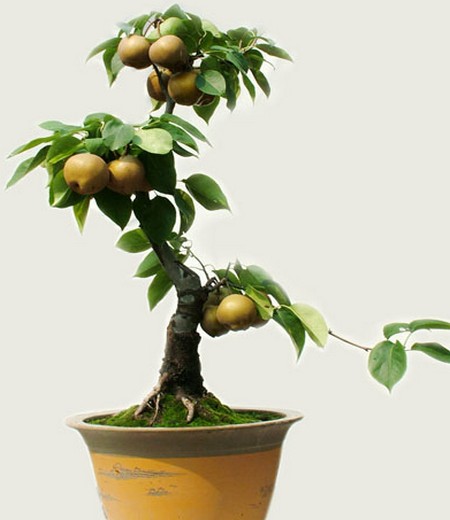
What are the fertilization methods for pear tree bonsai?
Once Awakening of Insects arrives, the weather begins to warm up, and spring thunder gradually appears. Awakening of Insects is the day when heaven awakens hibernating animals with thunder. Starting today, most regions of China begin to enter the spring plowing period. Today, many people are very interested in the topic of eating pears on Awakening of Insects.
-
Pear Bonsai Pruning Methods and Techniques Explained
Pear trees are suitable for making many different bonsai styles, such as the formal upright style, slanting style, curved-trunk style, double-trunk style, forest style, semi-cascade style, and trunk-on-rock style. Because the leaves are relatively large, the crown is mostly shaped naturally rather than being wired into flat pads. Because pear trees grow vigorously, with a large amount of annual growth, and the top shoots develop strongly,
-
How to propagate scutellaria barbata in pots at home? Detailed methods
Scutellaria barbata, also known as large-flowered purslane and sun plant, is an annual herbaceous flower of the Portulacaceae family, semi-erect, about 20 cm tall, with cylindrical alternate leaves, flowers borne at the tips of the branches, blooming profusely, with brilliant colors including bright red, white, yellow, pale yellow, rose red, and snow blue. Because it is tough and easy to grow, suitable for both pots and the ground
-
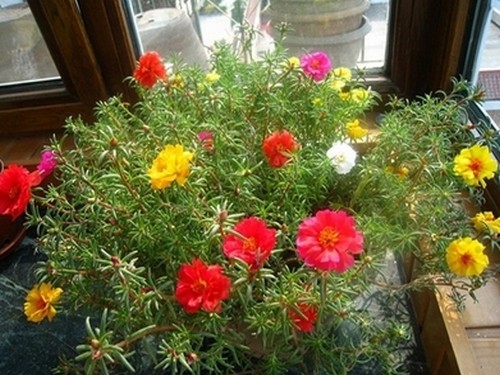
Portulaca grandiflora Propagation and Seedling Methods and Key Technical Points
Portulaca grandiflora is mostly propagated by sowing and cuttings. Sowing is usually done in April, the suitable temperature for seed germination is 21-22°C, seedlings emerge in about 7-10 days, the seedlings grow slowly at first, growth speeds up after entering June, and generally they bloom just over two months after sowing. Cuttings can be taken throughout the growing season
-
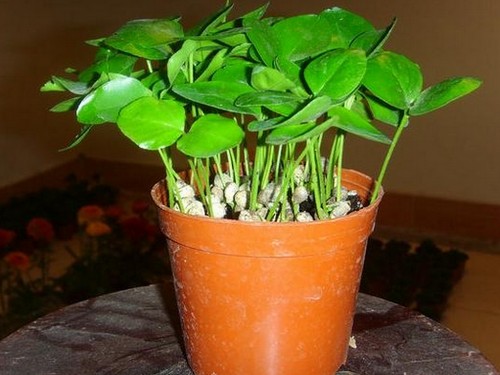
How to propagate orange jasmine (Murraya paniculata)? A detailed introduction to common propagation methods
Orange jasmine (Murraya paniculata) is an aromatic plant that can keep a rich, long-lasting fragrance indoors. Its branches and leaves are elegant, and it is an evergreen plant, so placing it indoors creates a very strong ornamental effect. People often use it for indoor decoration, making the whole room look fresh and pleasant, and this plant, orange jasmine, plays no small part in that.
条件筛选