-

How to Propagate Corn Poppies by Seed? Detailed Methods and Steps
Corn poppies (Papaver rhoeas) are usually propagated by seed. Since they transplant poorly, direct sowing in the open ground is preferable. Autumn sowing is generally done in early September, but spring sowing is also possible, that is, sowing when the ground thaws in early spring, mostly in drills. The spacing between seedlings is 20-30 cm for autumn sowing and 15-25 cm for spring sowing. The optimum germination temperature is 15°C-20°C
-

A Detailed Guide to Calla Lily Propagation Methods, Easy for Beginners Too
Propagation is mainly by offset division. After the plant enters its dormant period, peel off the small corms around the tuber and plant them separately. It can also be propagated by seed, sowing the seeds in pots as soon as they mature. The optimum germination temperature is around 20°C. Calla lilies are usually planted as corms after autumn. For bed planting, the row spacing is 25cm and the plant spacing is 10cm
-
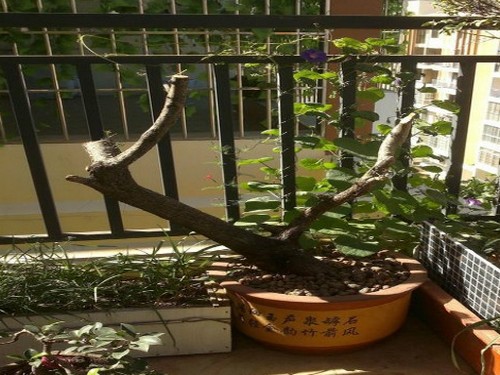
Seed Propagation Methods and Technical Key Points for Black Locust
Black locust is a tree species with relatively strong vitality and reproductive capacity. It can not only be used for landscaping and ornamental purposes and for purifying urban air, but can also be used for afforestation to protect the ecological environment. It is a tree species with relatively high cultivation value. Although black locust has a certain drought resistance, it is not tolerant of waterlogging
-
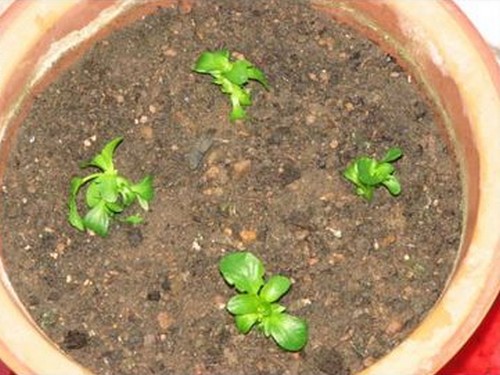
How to Propagate Pansies? Detailed Methods and Precautions
Pansies were originally perennial herbaceous plants, but after cultivation they have become annual or biennial herbaceous flowers that need to be sown every year. Common propagation methods for pansies include seed sowing, cuttings, and division. There are strict requirements for the sowing time. Let's look at the specific propagation methods and precautions! [Seed Propagation] Sowing in autumn in September is best
-

What are the propagation methods for Hydrangea (hydrangea)?
Hydrangea is a common flowering plant, also known as eight immortals flower, ziyang flower, foreign hydrangea, etc. It is native to the Sichuan area of China and Japan, and is a deciduous shrub of the Saxifragaceae family, Hydrangea genus (scientific name: Hydrangea). Its flowers are almost entirely sterile flowers; the so-called "flowers" are merely sepals.
-
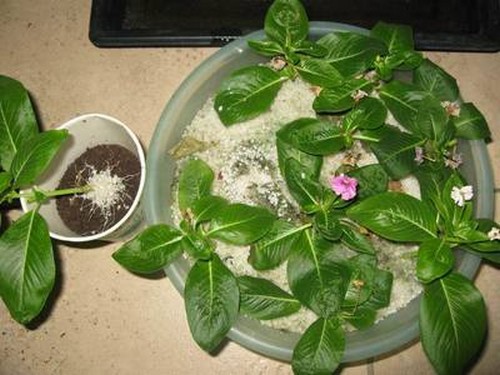
Detailed Guide to Periwinkle (Catharanthus roseus) Cutting Propagation Methods and Techniques
For periwinkle cuttings, generally in spring or early summer, take softwood shoots 8-10 cm long, remove the lower leaves, keep 2-3 pairs of leaves at the tip, insert into a sand bed or leaf mold, keep the cutting medium slightly moist, at a room temperature of 20-24°C, roots will form 15-20 days after cutting. Cuttings are mostly taken from April to July.
-
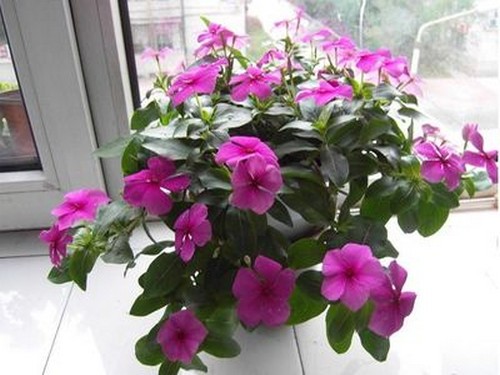
How to Propagate Catharanthus roseus? A Detailed Guide to Common Propagation Methods
Catharanthus roseus has a long flowering period, bright colors and graceful form. In recent years, cultivated varieties have produced increasingly larger flowers, making it very suitable as a potted ornamental plant with unexpected effects in home decor. Catharanthus roseus prefers warm, sunny conditions and moist, fertile sandy loam. In hot summers, it should not be exposed to strong sunlight.
-
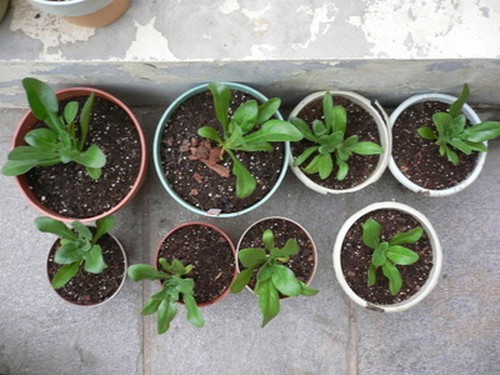
What are the propagation methods for Calendula? This one article teaches you to master them easily
Calendula (Calendula officinalis) has a very strong resistance to sulfur dioxide and also has some resistance to cyanide and hydrogen sulfide, making it an excellent pollution-resistant flower. It is also a major material for spring flower beds and can be used as a cut flower and potted plant. It is suitable for central plazas, flower beds and flower borders, and can also be used as an edging flower for lawns or for potted display
-
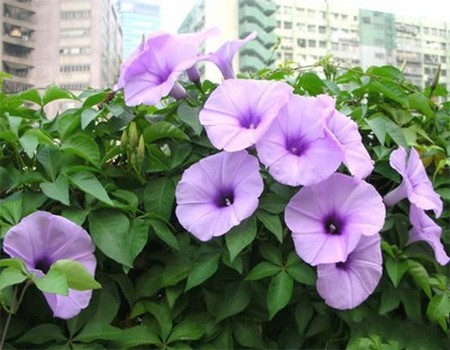
How to Propagate Ipomoea cairica? Detailed Explanation of Propagation Methods
Ipomoea cairica (scientific name: Ipomoea cairica) is a perennial herbaceous plant in the order Solanales, family Convolvulaceae, genus Ipomoea, commonly known as Cairo morning glory or palm-leaf morning glory. It generally grows on mountains. The leaves are palm-like, with 5~7 lobes, about 3~10 cm in size; the flowers are funnel-shaped.
-
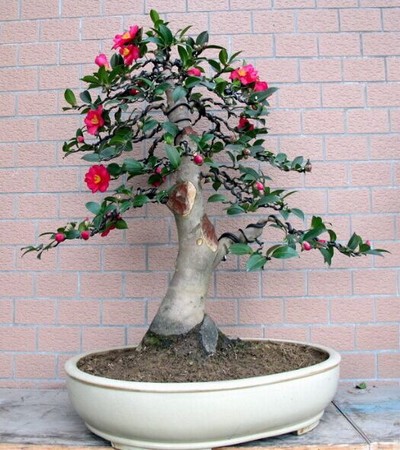
How to prune a Camellia sasanqua bonsai? Detailed pruning methods
Camellia sasanqua bonsai can be pruned and shaped all year round. By season, pruning can be divided into spring pruning, summer pruning, autumn pruning and winter pruning. With winter and spring pruning and shaping, the pruned branches have a strong ability to sprout, so after pruning there are often more young shoots that emerge. Therefore
条件筛选