-
How to Prune Azalea Bonsai? Detailed Pruning Methods and Techniques
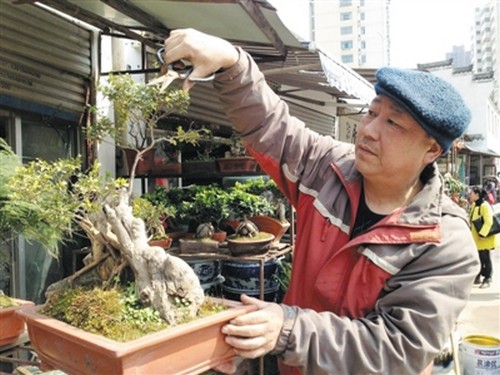
Pruning and shaping is an important measure in daily maintenance and management work, as it can regulate growth and development, thereby promoting vigorous growth. Daily pruning requires cutting off a small number of diseased branches and weak old branches, and removing some overly dense branches according to the tree crown shape to increase ventilation and light penetration, which benefits plant growth. For azalea gardens, frequent inspections are necessary
-
How to propagate potted Lantana camara? Detailed introduction to propagation methods
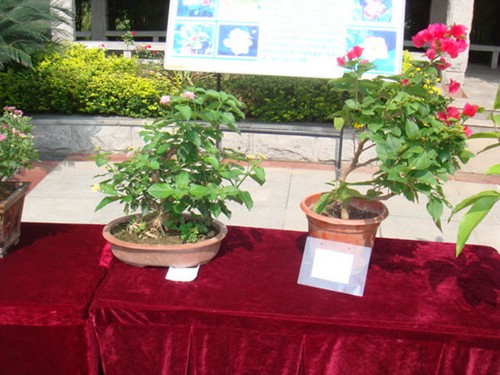
A single flower cluster often shows changes of multiple colors, so it is also known by the aliases five-color plum and five-color flower; at the same time, the branches and leaves contain a special pungent odor, so Lantana camara also has aliases such as stinkweed and stink golden phoenix. The flowering period is from June to October. Potted Lantana camara should be repotted before being brought out in spring, and sufficient base fertilizer should be applied.
-
Detailed explanation of the styling methods for Vitex negundo bonsai, teaching you how to create a beautiful tree shape
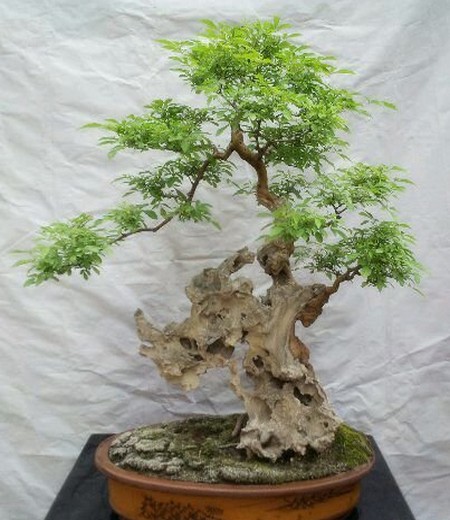
Vitex negundo, also known as yellow vitex twig, is widely distributed in China and has extremely strong vitality. It is one of the commonly used miscellaneous tree species for making bonsai. It is highly adaptable and not demanding on soil. For potted Vitex negundo, loose-textured, well-draining humus soil is best, and the planting pot should preferably be a clay pot or cement pot. Before planting
-
Detailed Explanation of Crape Myrtle Bonsai Propagation Methods and Techniques
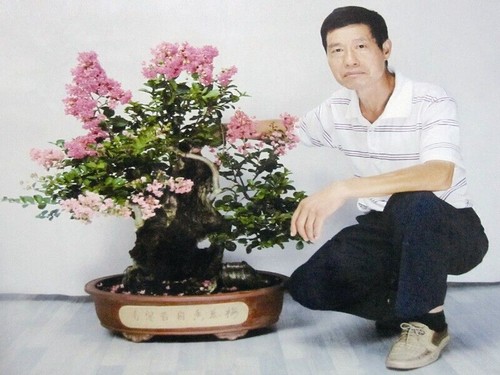
Every flower blooms in its own beauty, each leading its own charm. Take the crape myrtle (Lagerstroemia indica), for instance: it avoids the spring when a hundred flowers contend in beauty, and chooses to bloom at the turn of summer and autumn. Its tree form is elegant, its branches and trunk are twisted and bent, and its flower colors are gorgeous, making it well worth admiring. There are many kinds of crape myrtle, with varied postures. Because it is easy to manage and its branches are soft
-
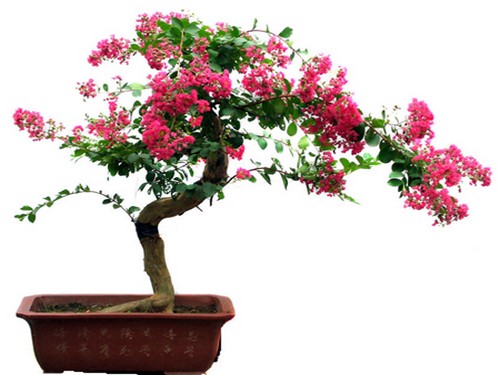
What are the propagation methods for crape myrtle bonsai? This article will teach you
The crape myrtle (Lagerstroemia indica) has a graceful tree form, smooth trunks, brilliant flowers and an exceptionally long blooming period; its flowering can span summer into autumn for more than a hundred days. It is an excellent ornamental, suitable both for beautifying courtyards, parks and green spaces, and for growing in pots for display. Crape myrtle likes sunlight, tolerates slight shade, is drought-tolerant but dislikes waterlogging, tolerates pruning well, and has strong suckering ability. It also grows well on calcareous soil
-
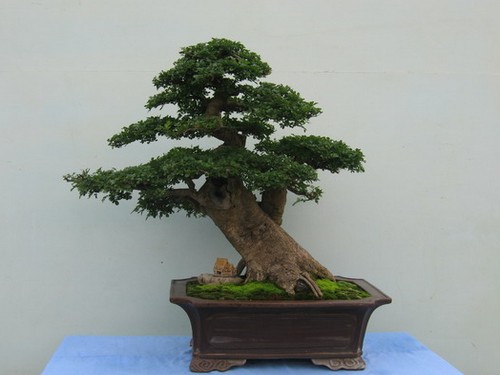
Four-Season Water Management Methods for Chinese Ash Bonsai
Chinese ash (Fraxinus chinensis) grows slowly, has a long lifespan, a beautiful tree form, and gnarled, intertwined roots. It is the finest among landscaping, bonsai, and root-carving varieties, and is hailed as a "living fossil" and the "king of bonsai." In daily water management work, the water regimen for Chinese ash bonsai can be summed up as "heavy watering." Heavy watering: there must be sufficient moisture, and slightly wet is better than dry. Water more in spring.
-
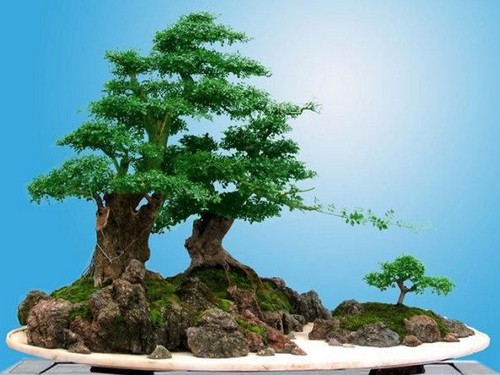
A Detailed Guide to Scientific Fertilization Methods for Chinese Ash (Fraxinus chinensis) Bonsai
During the growing season, apply light fertilizer frequently. To facilitate absorption by the tree and avoid wasting fertilizer solution, it is best to apply once every 5-7 days. Fertilization is generally carried out on a sunny afternoon when the potting soil is on the dry side, and after application, water to rinse the leaves. On rainy days when the potting soil is wet, the tree roots cannot breathe well, and after fertilization the roots do not absorb it easily; in strong sun: even in the hottest days of the dog days of summer
-
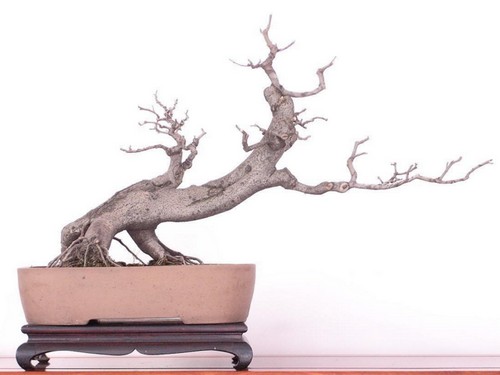
Detailed explanation of branch-pad styling methods for Chinese ash bonsai
Chinese ash (Fraxinus hupehensis) is a fast-growing species with vigorous growth. After one year of training and pruning of the trunk and primary branches, apart from a few terminal transition branches, cascading branches and drooping branches deliberately left long to thicken, most branches can be pruned and built into pads in the second year. In the early stage, primary and secondary branches are mainly wired (or guyed), with pruning as a supplement; in the later stage, once the branch pads have basically taken shape, pruning becomes the main method.
-

How to Propagate Dahlias? A Detailed Guide to Common Propagation Methods
Dahlia is a perennial herbaceous flower in the genus Dahlia of the family Asteraceae (Compositae), native to Mexico and the national flower of Mexico. It has a great many varieties, rich colors, and varied flower forms, symbolizing elegance and splendor. It is a world-famous flower, with about 30,000 cultivated varieties, available in almost any color, and found in gardens all over the world.
-
How to Propagate Amaryllis? Introduction to Common Propagation Methods
Amaryllis is commonly propagated by methods such as offset division, sowing, bulb cutting and tissue culture. In recent years, scale cutting, wounding and tissue culture methods have been widely adopted abroad for propagating amaryllis. Offset division propagation: peel off the small bulbs growing around the large bulb and plant them separately. When in bloom, hand pollination can be carried out to make it set seeds.
条件筛选