Key Points and Methods of Banana Ripening Techniques Explained
1. Natural physiological after-ripening. This is the method by which bananas turn yellow and ripen by relying on the fruit's own after-ripening process, without artificially adding ripening agents. In seasons with higher temperatures (20°C-30°C), after the banana hands are separated, they are packed into fruit baskets, about 25 kg per basket, then placed in a sealed room and stacked 3-5 layers deep, and in about 7-10 days they turn yellow...
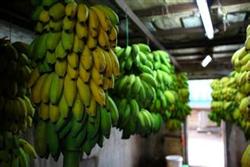
1. Natural physiological after-ripening. This is the method by which bananas turn yellow and ripen by relying on the fruit's own after-ripening process, without artificially adding ripening agents. In seasons with higher temperatures (20°C-30°C), after the banana hands are separated, they are packed into fruit baskets, about 25 kg per basket, then placed in a sealed room and stacked 3-5 layers deep, and in about 7-10 days they turn yellow and ripen.
2. Incense ripening. Place the separated banana hands neatly into large clay vats, wooden barrels or large plastic bags; for large quantities, this can be done in a sealed room, with the bananas packed in baskets and stacked 3-5 layers deep. For example, in a ripening room with a volume of 2500 liters, at a temperature of 30°C use 10 incense sticks and keep it sealed for 10 hours; at a temperature of 20°C, use 20 incense sticks and keep it sealed for 24 hours. Bananas with high fullness can use fewer incense sticks and have the sealing time shortened; otherwise, use more incense sticks and appropriately extend the sealing time. After sealed incense ripening, in hot weather the bananas should be moved to a well-ventilated, relatively cool place. The temperature should preferably be around 20°C; if the weather is cold, keep them warm to prevent chilling injury.
3. Heating ripening. Place the bananas in a sealed room with a stove inside. Burn charcoal or smokeless coal to raise the temperature, and place a pot of water on the stove to boil, keeping the room temperature at around 27°C and the relative humidity close to saturation. This method is often used in winter and gives good results. The bananas generally turn yellow and ripen after 2 days.
4. Ethephon ripening. With different concentrations of ethephon for ripening and different temperatures after treatment, the speed at which bananas ripen also differs. At 17°C-19°C, with a concentration of 0.2%-0.3%, the peel turns largely yellow 70 hours after ripening treatment; at 20°C-23°C, with a concentration of 0.15%-0.2%, the peel is mostly largely yellow 60 hours after ripening treatment; at 22°C-27°C, with a concentration of 0.1%, largely yellow appears 48 hours after ripening treatment; however, when the concentration exceeds 0.3%, it easily reduces fruit quality, softens the flesh and causes loss of the characteristic flavor. Therefore, when the temperature is relatively low, a higher concentration should be used combined with heating, for a better ripening effect. When using, prepare the ethephon solution at the required concentration (adding 0.05% laundry detergent), then spray directly (soaking the entire banana fruit), then let it dry naturally, and it will turn yellow and ripen after being stored for 3-4 days.