-
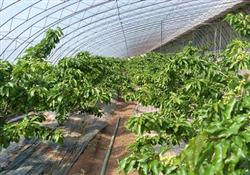
Sweet Cherry Pest and Disease Control Methods and Techniques
(1) Main diseases 1. Cherry brown spot disease: also known as leaf shot hole disease, it is the most important leaf disease of sweet cherry. (1) Symptoms: At the early stage of the disease, small purple spots the size of a needle tip form, then enlarge, and some join together to form round brown lesions, on which small black dots appear, namely conidia masses and perithecia. ...
-
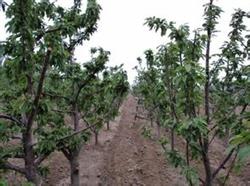
Key Points and Methods of Thinning Fruit on Sweet Cherry Trees
Technical management of sweet cherry trees after harvest is very important, because at this time the tree has gone through the earlier processes of leaf expansion, shoot growth, flowering, fruit set and fruit growth and development, consuming a large amount of the nutrients stored in the tree, and after fruit harvest it enters the nutrient accumulation stage of photosynthesis. Management during this period [affects] yield. Its techniques...
-

What causes deformed melon fruit? Causes and control methods
Causes of deformed fruit in melons and control methods
-
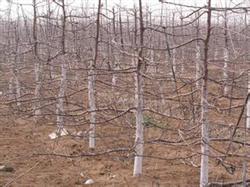
Detailed Explanation of Spring Planting Time and Methods for Cherry Trees
Currently, in protected cultivation of sweet cherries, the main tree forms are the natural open-center form, the improved central-leader form, the central-leader stratified form, and the slender spindle form. The natural open-center form has a trunk height of 30-40 cm, 3-5 main branches, each main branch with 6-7 side branches, and an angle of 30-45 degrees between the main branches and the trunk. Tree height is controlled at 1.5-1.8 m, ...
-
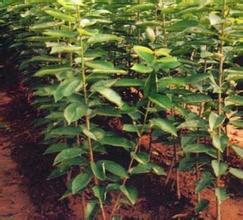
Methods and Technical Key Points for Cultivating Dwarf Sweet Cherry Nursery Stock
Cherry trees are tall and not suitable for growing in greenhouses; under natural production they need 5 to 6 years to bear fruit and only enter the full-bearing period after 10 years, resulting in a long payback period and high management costs. After years of exploration, fruit tree experts in China developed a method using Nanking cherry as the rootstock, FL-80 plum as the interstock, and grafting sweet cherry varieties onto it, ...
-
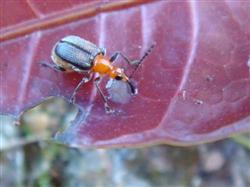
How to control mango weevil disease? Detailed explanation of control methods
1. The mango leaf-cutting weevil is widely distributed. Adults feed on young mango leaves, causing the leaves to dry up; or females lay eggs on young leaves and bite the young leaves off from the base, affecting plant growth. Control methods: ① During the growth period of young shoots, pick up the bitten-off fallen leaves from affected plants once every 3 days, dry them in the sun and burn them to kill the lar...
-
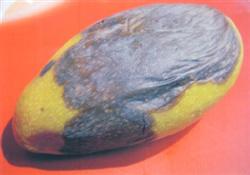
Occurrence Patterns and Control Methods of Mango Anthracnose
1. Damage symptoms: It mainly damages mango flowers, fruit, and tender shoots. After tender leaves are infected, many small round brown spots appear, surrounded by a yellow halo, and they gradually expand into round, polygonal, or irregular brown lesions, which later rupture and perforate. Wounds on leaves and young fruit caused by gall midges, leafhoppers, and other pests are also easily infected by this disease. Severely infected...
-
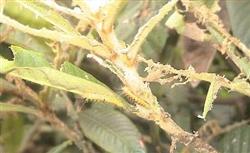
Timely Control Methods for the Loquat Yellow Hairy Caterpillar
The adult of the loquat yellow hairy caterpillar is commonly known as the "upside-down butterfly." Its larvae feed on buds and tender leaves, and during outbreaks they also damage old leaves, the bark of tender stems, flowers and fruit. On damaged leaves, only the upper epidermis and veins remain. First-instar larvae of this pest are gregarious. From the second instar they begin to disperse and cause damage, and after the third instar their food consumption increases greatly. This pest is one of the most common and serious...
-
Autumn Mango Fertilization Management Methods and Technical Key Points
Fungal diseases. At present, 6 pathogens causing mango sooty mold have been identified in China. They damage leaves, branches and shoots, and fruit, affecting leaf photosynthesis and fruit appearance. Control methods: First, rational close planting and pruning to keep the canopy well ventilated and exposed to light. Second, focus on controlling aphids, scale insects, and flat-headed leafhoppers...
-
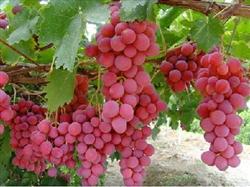
How to prevent and control grape diseases in the rainy season? A detailed guide to practical methods
The peak period for many diseases such as grape downy mildew, white rot and anthracnose is summer. The occurrence of downy mildew can cause grape leaf drop, dead branches, rotten fruit and even death. Therefore, China Agricultural Technology Network reminds you to strengthen vineyard management during the rainy summer season and to prevent and control diseases in good time. 1. Clean the vineyard: if in the vineyard...
条件筛选