-

Pesticide Application Methods and Analysis of Common Questions About Microbial Pesticides
What problems have you encountered when using pesticides that you are not aware of? See if any of the questions below are what you want to ask, and let us take a look together. Biological pesticides refer to pesticides produced from natural materials, such as animals, plants, and microorganisms, which are relatively harmless to living things and
-

There are rapid pesticide residue detection methods, but 80% of pesticides cannot be detected
Rapid pesticide screening biochemical methods are fast and cheap, but 80% of pesticides cannot be detected. How can food safety be guaranteed? Let's take a look. "Rapid pesticide screening" is also called "rapid biochemical testing method," or "biochemical method" for short. It is promoted for its short testing time and low cost, and is widely used by major markets
-
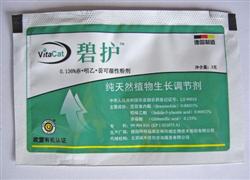
What methods are there for removing herbicide residues?
What methods are there for removing herbicide residues? Which pesticides can solve the problem of herbicide residues? I ask fellow netizens who know about this to help explain. Some functional plant nutrient agents can effectively relieve the phytotoxicity caused by herbicide residues and promote growth. 1. "Bihu": "Bihu" comes from plant seeds, is not artificially synthesized but processed by physical methods...
-
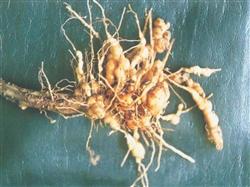
How to Control Root-Knot Nematodes? A Full Analysis of Practical Control Methods
How to control root-knot nematodes? What should be noted when controlling root-knot nematodes? We also ask knowledgeable netizens to help explain. Root-knot nematodes have a relatively broad host range; for example, more than 30 kinds of vegetables including cucurbits, solanaceous fruits, legumes, radishes, carrots, lettuce, and cabbage are all harmed by root-knot nematodes. Therefore, Zhongdiwang has compiled the root-knot...
-
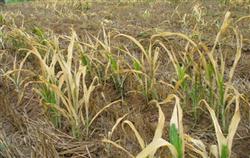
What to do when pesticide damage occurs? Master the correct remedial methods
What to do when pesticide damage occurs? What needs to be done after crops suffer pesticide damage? We also ask netizens for guidance. Generally speaking, using pesticides to control pests and diseases is safe, but for certain reasons, pesticide damage occurs every year. For pesticide producers, operators and users, none of them want to see pesticide damage occur...
-

What are the soil-applied pre-emergence herbicide methods for corn fields?
What are the main weeds in corn fields? What are the soil-applied pre-emergence herbicide methods for corn fields? We would also like experienced growers to help explain. The main weeds in corn fields include crabgrass, goosegrass, foxtail, redroot pigweed, goosefoot, copperleaf, and field bindweed, among other monocot and dicot weeds. Of these, crabgrass and goosegrass are the most common. Because corn...
-
A Detailed Explanation of the Effects and Usage Methods of Trichlorfon
What are the effects and usage methods of trichlorfon? What should be noted when using trichlorfon? We ask netizens who know about it to help explain. In the agricultural input market, trichlorfon insecticides are often seen as 30% and 40% emulsifiable concentrates or 50% and 80% soluble powders, but many netizens are not very familiar with the effects and usage methods of trichlorfon...
-

A Detailed Explanation of the Effects and Usage Methods of Paclobutrazol
What are the effects of paclobutrazol? How is paclobutrazol best used? We ask experienced netizens to help explain. Paclobutrazol can be used in crops such as rice, wheat, peanuts, fruit trees, tobacco, rapeseed, and soybeans, but quite a few netizens are not very clear about the specific effects and detailed usage methods of paclobutrazol, ...
-
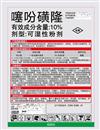
Thifensulfuron-methyl: A Detailed Guide to Its Effects and Application Methods
What are the effects of thifensulfuron-methyl? How is it used? We ask knowledgeable readers to help explain. On the market, thifensulfuron-methyl wettable powder herbicides at 10%, 15%, 20%, 25% and 75%, as well as a 75% thifensulfuron-methyl aqueous solution herbicide, are commonly seen. Many readers are still not very familiar with thifensulfuron-methyl herbicide...
-
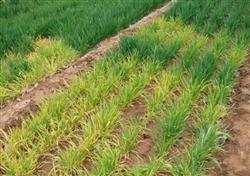
The Meaning of Pesticide Phytotoxicity and Remedial Methods
What is pesticide phytotoxicity? What methods are there to remedy it? I hope experienced netizens can help explain. What is commonly called crop phytotoxicity refers to various morbid reactions shown by crops due to improper use of pesticides. Therefore, Zhongdi Network has compiled the manifestations of pesticide phytotoxicity and some remedial methods, listed below for netizens' reference....
条件筛选