Timely Control Methods for the Loquat Yellow Hairy Caterpillar
The adult of the loquat yellow hairy caterpillar is commonly known as the "upside-down butterfly." Its larvae feed on buds and tender leaves, and during outbreaks they also damage old leaves, the bark of tender stems, flowers and fruit. On damaged leaves, only the upper epidermis and veins remain. First-instar larvae of this pest are gregarious. From the second instar they begin to disperse and cause damage, and after the third instar their food consumption increases greatly. This pest is one of the most common and serious...
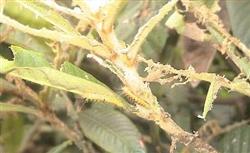
The adult of the loquat yellow hairy caterpillar is commonly known as the "upside-down butterfly." Its larvae feed on buds and tender leaves, and during outbreaks they also damage old leaves, the bark of tender stems, flowers and fruit. On damaged leaves, only the upper epidermis and veins remain. First-instar larvae of this pest are gregarious. From the second instar they begin to disperse and cause damage, and after the third instar their food consumption increases greatly. This pest is one of the most common and serious pests on loquat. According to surveys, the first moth peak of the second generation of the loquat yellow hairy caterpillar this year occurred on June 3, and hatching occurred on June 12. Because the larval occurrence of the first generation of the yellow hairy caterpillar this year coincided with the loquat fruit ripening period, most fruit could not be treated with pesticides, so the second generation of the loquat yellow hairy caterpillar has occurred in relatively large numbers, though differences exist among locations and plots. Therefore, all fruit growers are required to investigate carefully and seize the appropriate time to carry out control. Specific measures include: 1. Manual removal of larvae: Taking advantage of the gregarious damaging habit of first-instar larvae of the loquat yellow hairy caterpillar, manually removing first-instar larvae can reduce the source of the pest and achieve twice the result with half the effort. 2. Biological control: The main natural enemies of the loquat yellow hairy caterpillar include Brachymeria femorata, Goryphus sp., Pteromalus sp., and Charops sp. In production, attention should be paid to protecting and utilizing natural enemies, maintaining ecosystem balance, and controlling the occurrence of this pest. 3. Pesticide control: From June 19 to 21, spray with 80% dichlorvos emulsifiable concentrate at 1000 times dilution or 2.5% bifenthrin emulsifiable concentrate at 2500 times dilution, etc.