-
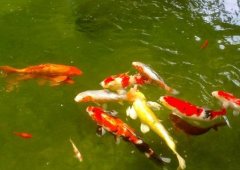
How to raise koi so they grow fast? Causes of Chilodonella and treatment methods
Chilodonella symptoms: During the fry stage, it mainly damages the skin and fin rays. In adult fish, besides attacking the skin, it also heavily infests the gills, oral mucosa and nostrils. When the fish body and gill filaments are irritated by large numbers of pathogens, it causes excessive mucus secretion, which glues the gill lamellae together...
-
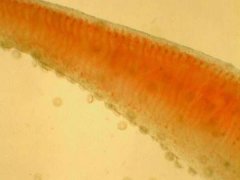
Common diseases of koi and treatment methods for koi trichodiniasis
Symptoms of koi trichodiniasis: When infected, the gill filaments secrete excessive mucus, wrapping around each other, causing difficulty in breathing; the fish body turns black, and external mucus increases, as if covered by a layer of white mist. If not treated in time, death will occur soon. It is especially harmful to fish under 20 cm...
-
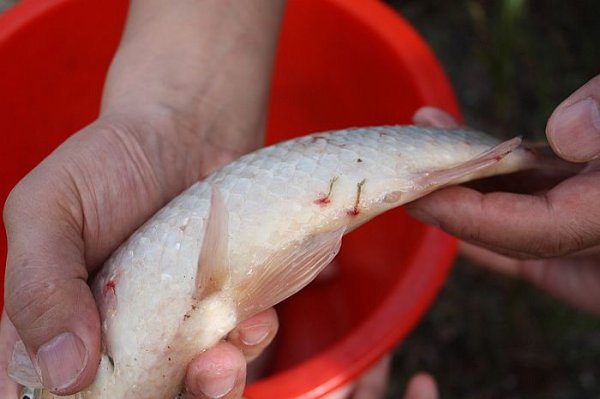
Symptoms and Treatment Methods for Anchor Worm Disease in Koi
Anchor worm disease: The parts where anchor worms burrow into the fish body, scales rupture, skin and muscle tissue become red, swollen and inflamed, tissue necrosis occurs, and saprolegnia fungi invade and grow profusely. After koi are infected, they swim slowly, lose appetite, and then gradually become emaciated. Prevention and treatment methods: (1) Fish...
-
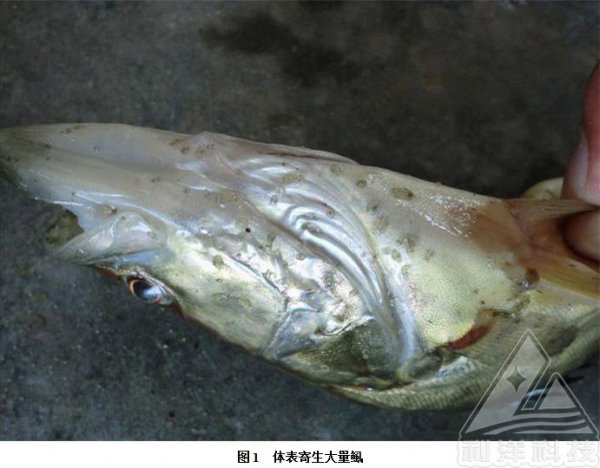
What are the common diseases of koi? Detailed treatment methods for fish lice disease
Symptoms of fish lice disease. Fish lice parasitize the body surface and gills of koi, using their mandibles to tear the epidermis and suck the fish's blood, causing many wounds, which facilitates the invasion of other pathogens and triggers other fish diseases; at the same time, when fish lice pierce the fish body, they introduce the toxins they secrete into the fish...
-

Causes and Treatment Methods of Koi Carp Gill Rot Disease
Symptoms of gill disease (1) Commonly known as "open skylight", the gill filaments rot and carry mud; in severe cases, the cartilage at the ends of the gill filaments is exposed, the inner epidermis of the operculum is congested, and the central epidermis is often corroded into a round transparent small hole. (2) Gill mold disease caused by fungi: the gills of diseased fish appear pale...
-
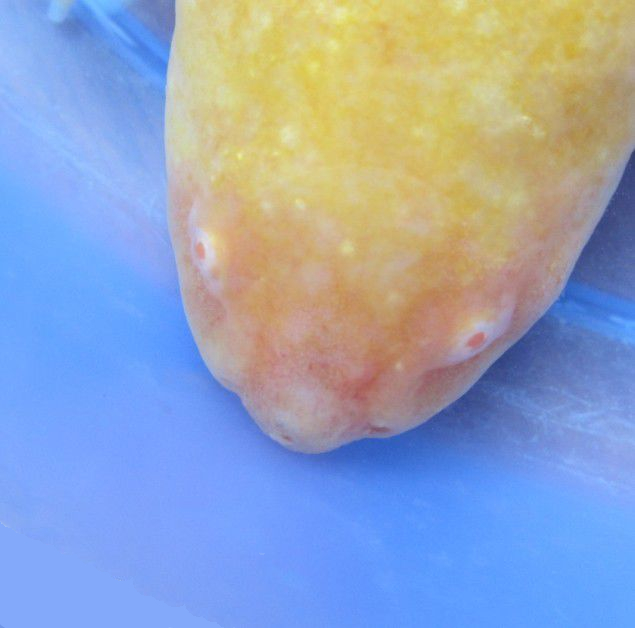
Symptoms, causes, and treatment methods of white head and white mouth disease in koi
Causes of white head and white mouth disease in koi. White head and white mouth disease can also be caused by a massive invasion of Trichodina. Symptoms: sick fish move slowly, body color is slightly dark, and the top of the head and area around the mouth turn white. Taking tissue from the affected area to make a slide and examining it under a microscope, you can see clusters of parasitic flower bacteria constantly swinging, or you can see groups of Trichodina moving. The pigment in the skin of the forehead and around the mouth of the sick fish disappears, appearing white.
-
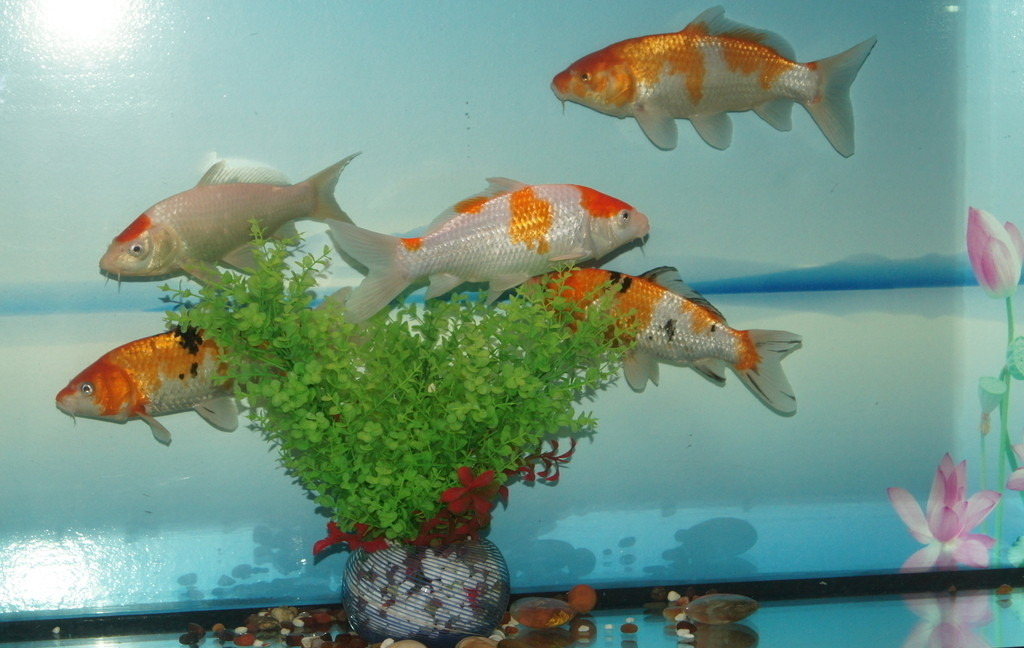
Detailed Explanation of Koi Selection Criteria and Aquarium Cleaning Methods
Cleaning and Tidying of the Koi Aquarium. Keeping koi in an aquarium requires clear water and lively fish. In the hot summer, the tank must be cleaned once a day; in other seasons, the interval can be appropriately extended. Main method: Take a rubber hose, fill it with water, and plug both ends tightly with your fingers, ...
-
Common Koi Diseases and Spring Fish Disease Prevention Methods
What are the prevention methods for koi fish diseases in spring? If you want koi to stay disease-free, we must do a good job of maintaining the water quality for raising koi. Most common koi diseases are caused by water quality. Suitable water quality environment for koi breeding: the water temperature is best at 23-25°C, the pH of the water...
-
Is Koi Scratching Against the Tank a Sign of Saprolegniasis? A Detailed Guide to Koi Keeping Methods
Is koi scratching against the tank a sign of saprolegniasis? First, let us understand the symptoms of saprolegniasis. Water mold is widely found in freshwater or brackish water bodies and moist soil around the world. It lives as a saprophyte on dead organic matter and is a commonly present mold, mainly including the order Saprolegniales...
-
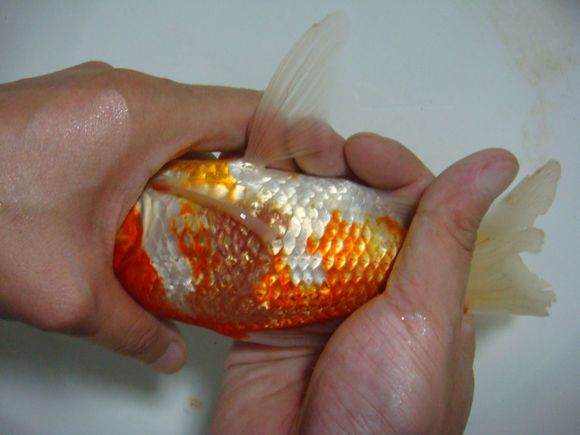
How do you raise koi so they get plump? Treatment methods for localized scale protrusion
What are the methods for treating localized scale protrusion in koi? The biggest characteristic of scale protrusion in koi is that some or all of the scales on the koi's body surface take on a pinecone-like appearance, and the body surface of the diseased fish is also relatively rough. The base of these scales is edematous, and this is also accompanied by half...
条件筛选