-
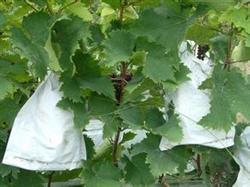
A detailed guide to grape bagging techniques, master all the key methods
In order to enhance the market competitiveness of grapes, the promotion and application of bagging technology on grapes has become a consensus among growers, but how can the benefits of bagging be maximized? Pre-bagging preparation: 1 week before flowering, trim the flower clusters. For large clusters, remove the secondary clusters and 1 to 8 branch axes at the base of the main axis; for small clusters, remove few or none. Pinch...
-
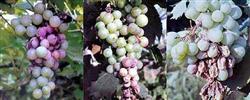
How to treat grape water rot? Detailed control methods
Based on your description, it is likely grape white rot, one of the most important grape diseases, especially in rainy years when it often occurs together with anthracnose, causing great damage. Grape white rot can harm clusters, canes and leaves. After the cluster and rachis are infected, they become light brown and water-soaked rot, and the whole cluster or part of the small clusters...
-
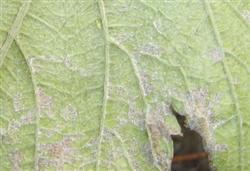
Control Methods and Technical Key Points for Grape Downy Mildew
Control methods: 1. Remove fallen leaves and diseased branches, bury them deep or burn them. 2. Timely pinch off growing tips, prune, drain and weed, and apply more phosphorus and potassium fertilizer. 3. At the early stage of the disease, that is, after July, apply chemicals as soon as slight lesions are seen on the underside of leaves. The chemicals include: Pubo, Ridomil, Sandofan, metalaxyl, Shuangmeiyitejing, etc., used alternately, spraying 4 to 5 times in a row...
-
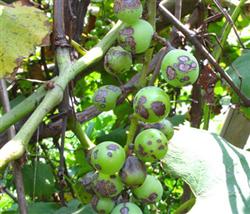
What are the control methods for grape black pox?
1. Eliminate the source of the pathogen. After the grapes drop their leaves in autumn, remove the fallen leaves and diseased clusters and bury them deep in a centralized pit. The old bark scraped off must be burned immediately. When the grape buds begin to swell in spring, spray with 3-5 degrees Baumé lime sulfur plus 0.3% sodium pentachlorophenate. 2. Strengthen cultivation management. In combination with summer pruning, carefully prune out diseased branches, diseased leaves and diseased fruit to reduce...
-
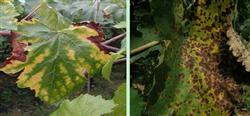
How to Prevent and Control Grape Leaf Blight? A Full Analysis of Practical Methods
Grape leaf blight starts on the lower leaves of the plant and gradually spreads upward. It can occur from June to November, with July to September being the peak period. It is severe in rainy years and in poorly managed vineyards. Prevention and control methods: 1. After autumn, thoroughly clear away fallen leaves in the vineyard to reduce or eliminate the overwintering source of the disease. During the grape growing season...
-
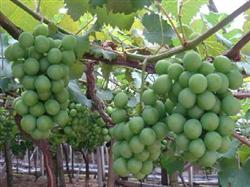
Scientific methods for using the grape ripening agent ethephon
1. Pay attention to watering for varieties prone to fruit cracking, keeping the soil from drying out before the fruit expands and grows, so that the skin will not age; then when the rainy season comes and the soil has too much moisture, fruit cracking will be reduced; 2. When conditions permit, it is recommended to bag the grapes; bagged grapes have fresh, tender skin with strong elasticity, and even if rain accelerates expansion, they are less likely to crack...
-
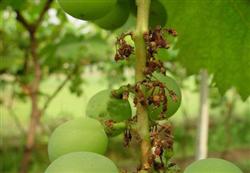
What are the control methods for grape bunch stem blight?
Common grape diseases include: grape bunch stem blight, gray mold, powdery mildew, anthracnose, black pox, white rot, sunburn, and many other diseases. Here is an introduction to how grape bunch stem blight is controlled: grape bunch stem blight mainly damages young flower buds, the rachis, or young fruit, causing them to shrivel and dry up, resulting...
-
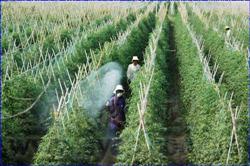
What are the seed treatment methods for cherry tomatoes?
1. Aphids. Aphids, also known as greenflies and honeydew aphids, are found all over the country. They gather in groups on the undersides of cherry tomato leaves and the tender stem tips and heart leaves, piercing and sucking sap while secreting honeydew, which affects photosynthesis, causing severe 4, nutritional deficiency, leaf curling and yellowing, making normal growth difficult. In addition, aphids can also...
-
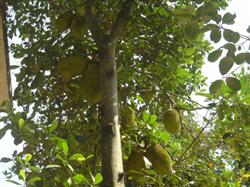
Methods and Technical Key Points for Pest and Disease Control in Jackfruit
In hot and humid regions, pests and diseases of jackfruit can sometimes be quite serious, but current research and control measures are limited. The main ones include longhorn beetles, stink bugs, aphids, scarab beetles, cottony cushion scale, as well as leaf spot disease, sooty mold, and soft rot of flowers and fruits. Longhorn beetles are the most widespread and serious, damaging branches and trunks, causing gummosis, branch dieback, tree decline, and hollow or even rotting and death of the trunk...
-
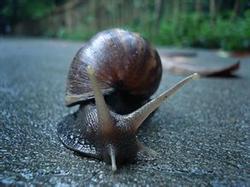
Occurrence and Control Methods of Jackfruit Stem-End Rot and Fruit Rot
The African giant snail, also known as the French snail, is a pest that harms pineapple. It mainly bites the base of the fruit from June to August when the fruit is ripe, leaving holes of varying depths, which makes the pineapple prone to infection by pathogens and rot, thereby reducing the commercial value of the fruit and even making it inedible. Control methods: (1) Manual capture. In the African giant snail...
条件筛选