Methods and Technical Key Points for Cultivating Dwarf Sweet Cherry Nursery Stock
Cherry trees are tall and not suitable for growing in greenhouses; under natural production they need 5 to 6 years to bear fruit and only enter the full-bearing period after 10 years, resulting in a long payback period and high management costs. After years of exploration, fruit tree experts in China developed a method using Nanking cherry as the rootstock, FL-80 plum as the interstock, and grafting sweet cherry varieties onto it, ...
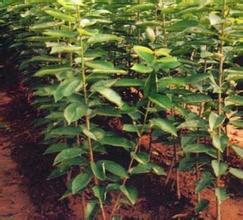
Cherry trees are tall and not suitable for growing in greenhouses; under natural production they need 5 to 6 years to bear fruit and only enter the full-bearing period after 10 years, resulting in a long payback period and high management costs. After years of exploration, fruit tree experts in China developed a method using Nanking cherry as the rootstock, FL-80 plum as the interstock, and grafting sweet cherry varieties onto it. This method has the advantages of early fruiting, high and stable yields, disease resistance, and dwarfed tree size, providing a favorable foundation for protected cultivation and container cultivation of sweet cherries.
Rootstock selection:
The root system of Nanking cherry (also called wild cherry) is the preferred root system, because it has the advantages of resistance to underground pest gnawing, strong cold resistance, strong tolerance to drought and waterlogging, relatively strong tolerance to acidity and alkalinity, tolerance to root injury from fertilization, tolerance to fertilizer damage, and a well-developed root system. Wild apricot and wild peach root systems can also be used, but these two root systems have poorer waterlogging tolerance and are only suitable for cultivation in plots without waterlogging damage. All 3 of the above root systems are superior to Shandong grass cherry, Daqingye, Benxi mountain cherry, and Colt, thoroughly solving the serious problem of tree death caused by poor root systems.
Nursery stock grafting:
Sow Nanking cherry seeds in spring. In August to September of that year, use Nanking cherry as the rootstock and graft the current year's plum scion, which is similar in thickness to the rootstock, onto the rootstock 2 to 4 cm above the ground, with the T-shaped budding method giving the best results. After 6 to 7 months, that is, in March to April of the following year, cut the rootstock 0.5 to 1 cm above the upper end of the union between the plum bud and the rootstock and remove the binding rope from the bud, then promptly remove newly sprouted buds from the rootstock. In June to July of that year, use the plum bud as the interstock and graft the current year's cherry scion, which is similar in thickness to the interstock, onto the interstock by budding. The bud should be 2 to 3 cm above the upper end of the union between the interstock and the rootstock, and a certain length of the interstock should be retained while the rest is cut off. When the cherry bud grows to 14 to 16 cm, cut the interstock 0.5 to 1.5 cm above the upper end of the union between the cherry bud and the interstock and remove the binding rope from the bud. At this point, the grafting of the entire dwarf sweet cherry nursery stock is complete. After that, fertilize and apply pesticides until the stock is lifted from the nursery in early November.