What are the management techniques for Clivia miniata bonsai seedlings?
Seedlings refer to shoots about half a year old, with about 1-3 leaves. Seedlings like light and high temperatures, and the temperature can best be controlled at 20-30°C. When the seed grows its first true leaf from the coleoptile, the plant begins its own development. Seedlings are ready for repotting about 3 months after sowing, and repotting should be done in batches at the right time. When the first leaf has grown to about 1 cm, that is the best height for repotting. Newly grown leaves and seedlings that have not yet grown new leaves should be repotted a second time once they reach a certain height.
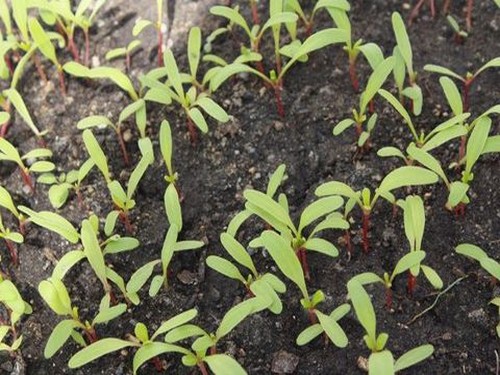
For repotting and transplanting seedlings, choose shallow pots, wooden boxes, plastic baskets or similar containers, fill them with nutrient soil to 1 cm below the top, level it, then use bamboo chopsticks or pointed bamboo skewers to make holes, spacing them appropriately, carefully insert the seedling's fleshy roots, and press the soil firm. But note that the upper surface of every leaf must face the same direction to help with light exposure.
Management of one-year-old small seedlings:
Clivia miniata small seedlings refer to seedlings in their one-year growth period, usually with about 6 leaves. At this time, the characteristic of cultivation and management is to divide seedlings that were grown together into separate pots. Generally, a 4-inch (13 cm) flowerpot is used, and 1-3 plants can be planted depending on the size of the space. Management during the small seedling stage directly affects plant growth and development. The temperature for small seedlings should preferably be around 20°C, and attention should be paid to light and ventilation. During the small seedling stage, the number of roots is basically consistent with the number of leaves. In summer, when temperatures are high and the pots used for small seedlings are relatively small, they dry out easily. Therefore, during especially hot weather, small seedlings should be watered once in the morning and once in the evening to maintain the moisture of the potting soil. After small seedlings are divided into pots, they can be fertilized. The fertilizer concentration should be low, generally applied once every half month.
Management of two-year-old medium clivia:
When Clivia miniata seedlings reach a full two years, they are in the two-year-old medium clivia stage. At this time they have about 13 leaves, the plant shape is stable, and all indicators have become fixed.
Management at this time is the main period for Clivia miniata cultivation. It has higher requirements for soil, moisture, temperature, light and fertilizer. Two-year-old plants need to be changed to fresh nutrient soil once each in spring and autumn, and moved into slightly larger flowerpots, generally 5-inch to 6-inch pots (16-20 cm). When changing the soil, first fill the pot with nutrient soil to a thickness of 1/5, hold the plant by the roots with your hands and fill soil into the core of the root system so that no soil falls out, then place it in the pot. Fill the surrounding area with soil and press it firm. Place the plant in the exact center, that is, do not expose the root crown and do not bury it too deeply. The correct position is to bury the soil between the root crown and the pseudobulb.
Management of mature clivia:
After more than two years of growth, Clivia miniata enters the reproductive growth stage and can bloom and bear fruit, making it a mature clivia.
After Clivia miniata enters the reproductive growth stage, it needs a large supply of nutrients. It not only has to grow and develop, but also to send up a flower stalk, bloom and bear fruit. If nutrition is inadequate, the plant becomes weak, blooms less, the flowering period is delayed, and it sets fewer fruits. To make mature-stage Clivia miniata grow robustly, all aspects of management must be strengthened, especially the supply of fertilizer. Potassium fertilizer should be applied regularly, and the application of phosphorus and potassium fertilizer should be increased. This ensures that the plant blooms on schedule, with large and brightly colored flowers and a high fruit-setting rate.
When mature clivia sends up its flower stalk, maintain suitable temperature and temperature difference as well as sufficient water to prevent the occurrence of stuck stalks.