Management Methods After Sowing Landscape Flower Seeds
Flower propagation is divided into sexual propagation and asexual propagation. Sexual propagation is the use of seeds sown to reproduce offspring. Asexual propagation is also called vegetative propagation, using a part of the plant's vegetative organs to cultivate new plants; the methods include cuttings, division, grafting and layering. Among them, the sowing propagation method is the most widely used for landscape flowers. The sowing time is roughly the two seasons of spring and autumn; usually the spring sowing time is from February to April, and the autumn sowing time is from August to October. Sowing propagation is suitable for the vast majority of flowers, and generally there are two kinds: open-field sowing and pot sowing.
For open-field sowing, choose a place with high and dry terrain, level ground, shelter from the wind and facing the sun, loose soil and good drainage. The bed should be made on a sunny day when the soil is relatively dry. The land must be deeply plowed and finely leveled, and soil disinfection and application of base fertilizer should be carried out.
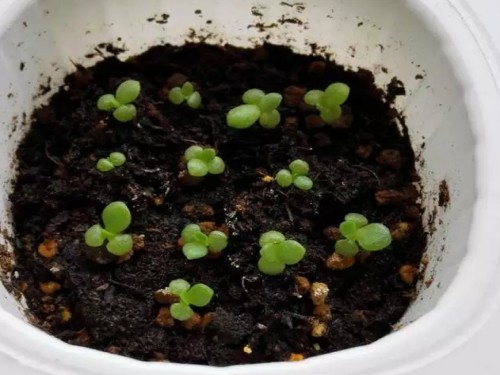
Home cultivation is limited by geographical conditions, and there is no large seedbed, so pot sowing is used; if there is a courtyard downstairs, open-field broadcasting or drilling can also be used. The most economical approach is pot sowing, then transplanting after emergence. For pot sowing, before sowing, wash the pot clean, fill the drainage hole with a tile piece, spread coarse sand or another coarse medium in the pot as a drainage layer, then fill in sieved fine sandy loam, press the pot soil firm and scrape it level, and then sowing can be carried out.
1. Temperature
Give the appropriate temperature according to the requirements of the specific variety. The germination temperature of most seeds is between 20-25°C. If the temperature is too high or too low, it will directly affect the germination rate of the seeds.
2. Humidity
Water management after sowing is very critical. When raising seedlings in winter and the soil temperature is low at night, water loss is small, so no water replenishment or only a little water replenishment is needed during the seedling stage; if the soil temperature is relatively high, water should be replenished by spraying according to actual needs during the seedling stage. When raising seedlings in summer, water evaporates especially quickly, so water must be replenished at any time according to the actual situation. If the seeds are very fine, to avoid being washed away by water, the method of soaking the pot can be used to replenish water.
3. Light
Except for a few varieties such as cyclamen, which need darkness during germination, most seeds germinate better under light conditions. After the seeds germinate, they must receive light; otherwise, the seedlings will grow leggy.
4. Remove the Covering
After the seeds germinate, remove the covering in time. When 60%-70% of the seeds have unfolded their cotyledons, the film should be removed to prevent the seedlings from growing leggy. At the same time, the humidity of the substrate should still be maintained, so that the cotyledons of the seeds that have not yet germinated can successfully extend out of the seed shell.
5. Transplanting
When the seedlings have grown to a suitable stage for transplanting, they should be temporarily planted or finally planted in time; otherwise, it is easy to cause the seedlings to grow leggy and delay production. The transplanting time of various seedlings is different and needs to be determined according to the actual situation.
In the later management, the following work also needs to be completed:
1. Water Replenishment
① Start watering right after the seeds are sown. In principle, during the early stage of germination and the early stage of seedling growth, spray water 1-2 times a day to keep the soil layer about 10 cm moist. Water supply must absolutely not be stopped halfway.
② As the seedlings grow, gradually reduce the amount of watering. However, within the one-month seedling growth period, sufficient water supply should be ensured.
2. Weed Control
① According to the growth of the seedlings, generally after 1 month, start work such as pulling weeds and thinning seedlings. During this period, be sure to distinguish weeds from flower seedlings well; if they cannot be distinguished well, it is better not to rush the weeding work.
② During the growth period, removing weeds once a month is an important condition for ensuring that landscape flowers bloom as scheduled and give the best overall performance.
3. Pruning and Tidying
After the entire flowering period ends, before winter arrives, water thoroughly one last time, cut off the withered aboveground parts, and according to personal needs, appropriately cover with soil or coverings such as non-woven fabric or plastic film, waiting for new sprouting in the following spring to enter the next growth period.
4. Reseeding
① Reseeding is an effective way for wildflower mixes to continue and maintain the landscape effect, and has become an important part of routine management.
② The recommended reseeding rate is 5 grams/sq m.
③ When reseeding, using the method of opening shallow furrows on the soil surface can ensure good contact between the soil and the seeds.