Snapdragon sowing method and management tips after germination
Snapdragon not only has a huge variety of flower colors, but also has an exceptionally long flowering period, making it a very good herbaceous plant. It is generally grown from seed, and the best sowing seasons are spring and autumn. The flowering period is generally from March to June. So that flower lovers can have a deeper understanding of snapdragon, we will start with sowing:
Snapdragon sown in spring needs about 100 days to bloom, sown in summer about 80 days to bloom, and sown in autumn about 120 days to bloom. The sowing method is also relatively simple. Because snapdragon seeds are quite small, there is no need to cover them with soil after sowing. Water carefully so as not to wash the seeds away. The suitable germination temperature for snapdragon is around 21°C, so flower lovers should decide whether to cover with film according to their own sowing season. After sowing, place it in partial shade. It will germinate in about a week. Be sure not to expose it to the sun.
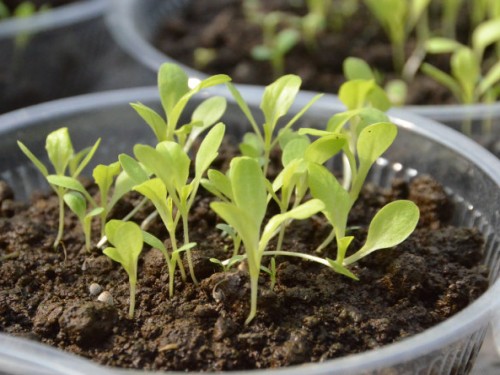
Generally speaking, after germination, it can be transplanted in about 6 weeks. Here, by the way, let us mention pinching snapdragon. Snapdragon can be pinched, and pinching has many benefits, as it can produce many side shoots.
Snapdragon can self-sow and reproduce. When the fruit matures from June to July, it should be harvested in time. It can be cut together with the flower stalk, placed on a mat to dry, and the seeds shaken out and stored in a dry place, then sown in September. Snapdragon varieties are very easily mixed, so mother plants used for seed collection need to be planted in isolation to avoid producing hybrids.
1. Seedbed sowing
For the seedbed, it is best to choose sandy loam soil with a loose soil structure, a low groundwater level, good drainage, and rich organic matter. The seedbed requires fine, level soil particles. To prevent diseases and insect pests, turn over and sun-dry the sowing area about 25 days before sowing 2-3 times, and disinfect the soil with carbofuran before sowing.
When sowing, water the seedbed thoroughly, mix the seeds with fine sand at 1:4, and evenly broadcast them on the seedbed. After sowing, cover with a thin layer of plant ash. After watering, cover with a 50% shade net. Never expose it to the sun. After emergence, it can be transplanted in 5-6 weeks.
2. Plug tray sowing
Disinfection of seeds and medium is very important. Before sowing, soak the seeds in a potassium permanganate solution at a concentration of about 0.5% for 1-2 hours. Add 150-200 g of thiophanate-methyl powder to each cubic meter of medium (about 20 bags), stir 2-3 times so that the chemical and the medium are fully mixed, then stir while spraying water, adjusting until the medium is "holds together when squeezed in the hand, and crumbles when released". Cover with film and pile for 8-10 hours, then fill into plug trays.
Each plug tray can sow 200 seeds, placing one seed per cell. After sowing, gently press with your hand so that the seeds adhere to the medium, then spray thoroughly with a sprayer and cover with newspaper or plastic film. If the nursery can control dryness, moisture, and temperature, then covering is not necessary. Keep the newspaper moist for a long time, and uncover the newspaper after the seeds germinate.
Management after sowing:
After sowing, the main task is water management. Watering should be even, and the pot surface should not be allowed to become too dry or too wet. At night, remove the glass to allow ventilation, and cover it again during the day to prevent water evaporation. After sowing, the seeds can sprout and emerge in 7 or 8 days. After the seedlings emerge, the glass can be removed to let them receive light. Snapdragon is relatively cold-tolerant and also tolerates partial shade. It can withstand low temperatures above -5°C, and below -5°C it is prone to freezing to death.
Snapdragon tolerates moisture and fears drought. During maintenance and management, watering must follow the principle of "water when dry, stop when wet", spraying water once about every 2 days.