Detailed Guide to Harvesting and Seed-Saving Methods for Ginger
Ginger harvesting, based on the intended product use, is divided into seed ginger harvest, young ginger harvest, and mature ginger harvest. Seed ginger is generally harvested in late June, when the seedlings have 4-5 leaves; carefully loosen the soil and gently snap the connection between the seed ginger and the new ginger to remove the seed ginger. If harvested too late, digging damages too many roots, affecting the continued growth and...
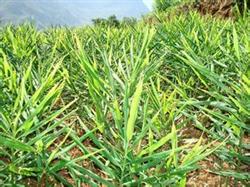
Ginger harvesting, based on the intended product use, is divided into seed ginger harvest, young ginger harvest, and mature ginger harvest.
Seed ginger is generally harvested in late June, when the seedlings have 4-5 leaves; carefully loosen the soil and gently snap the connection between the seed ginger and the new ginger to remove the seed ginger. If harvested too late, digging damages too many roots, affecting the continued growth and yield of the ginger plant. Harvesting seed ginger is also called "digging out old ginger" or "stealing mother ginger." Seed ginger can be sold early for earlier returns, but during rainy periods it easily causes rhizome rot, and the wounds are favorable for pathogen infection.
From August onward, young ginger can be harvested successively. The earlier the harvest, the lower the yield. Generally, it is harvested in September-October, and at the latest it should be fully harvested before Frost's Descent to avoid rot from cold damage. Early-harvested ginger has tender tissue, higher water content, and less spiciness, and does not store well. Later-harvested rhizomes are more swollen, have more fiber, less water content, and stronger spiciness.
Mature ginger is generally harvested before the first frost arrives, when the aboveground stems and leaves begin to turn yellow and the rhizomes are fully mature. At this time, the yield is high, it stores well, and it has strong spiciness; it can be used as seed ginger, seasoning, or for making dried ginger.
Ginger intended for seed should be grown in a designated seed-saving plot. During the growing period, apply more potassium fertilizer and less nitrogen fertilizer. After harvesting, air-dry for a few days to reduce surface moisture on the seed ginger. Select healthy, plump ginger rhizomes that are disease-free and undamaged for cellar storage.