A detailed guide to bayberry cultivation techniques: master all the key points of planting and management
Biological characteristics of cultivation: It prefers a warm, humid, cloudy and misty climate. It is not tolerant of strong light or cold. It is best planted on north- or east-facing mountain slopes in deep, loose, fertile, well-drained acidic yellow soil. Cultivation techniques: There are many cultivars; by fruit color they can be divided into white, red, pink...
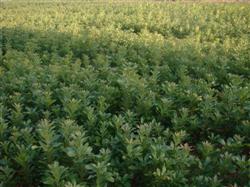
Plant cultivation
Biological characteristics: It prefers a warm, humid, cloudy and misty climate. It is not tolerant of strong light or cold. It is best planted on north- or east-facing mountain slopes in deep, loose, fertile, well-drained acidic yellow soil.
Cultivation techniques: There are many cultivars; by fruit color they can be divided into white, red, pink, and dark types. Propagation methods include seed, division, and grafting. Seed propagation: select ripe fruit, remove the flesh, dry in the shade, and store by the moist sand stratification method. Sow in spring; after emergence, the seedlings can be used as rootstock by the 2nd year. Division propagation: dig up 2-year-old suckers from the base of old plants and plant them. Graft propagation: select 2-year-old seedlings as rootstock, use bark grafting or cut grafting around Qingming, then grow for another 2 years before transplanting; open holes at a row spacing of 5 m x 5 m, plant 1 plant per hole, cover with soil and press firm, then water. About 450 plants are planted per 1 hm; plant a small number of male plants as appropriate to provide pollination.
Field management: Loosen the soil and weed once each in June and December. In summer, apply manure and decomposed cake fertilizer; in winter, apply barnyard manure and compost as a topdressing, using the trenching ring application method.
Pest and disease control: Pests include bayberry caterpillars, aphids, longhorn beetles, and others.