Complete Guide to Pest and Disease Control Measures for Cherry Tomatoes
The cultivation techniques are as follows: 1. Sow at the right time. This variety is suitable for autumn sowing; seedlings can be raised starting in late May to early June, transplanted in July, and harvested starting in September. To prevent the spread of seed-borne viruses, disinfect the seeds before sowing: wrap the seeds in gauze, soak them in a 15% trisodium phosphate aqueous solution for 10 to 20 minutes, then...
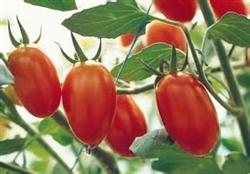 Cherry tomatoes are not only rich in vitamin C and various minerals, but also have higher nutritional value than ordinary tomatoes, and they taste good with excellent flavor. They are suitable both for fresh eating and as a vegetable, and can also serve as a fruit available year-round, meeting the needs of people with different dietary habits. However, many pests and diseases occur during cultivation. In our Nansan area, the common pests and diseases and their control measures are as follows:
The common pests of cherry tomatoes include three types: tobacco cutworm, cotton bollworm, and aphids. For tobacco cutworm and cotton bollworm, spray with trichlorfon or dichlorvos at 600 to 800 times dilution; for aphids, spray with 10% imidacloprid at 1000 times dilution. The common diseases include four types: damping-off, early blight, bacterial wilt, and viral disease. In the early stage of disease onset, spray for control with 64% oxadixyl mancozeb wettable powder at 500 times dilution, or 70% zineb wettable powder at 400 to 500 times dilution, or 50% thiophanate-methyl at 500 to 600 times dilution.