-
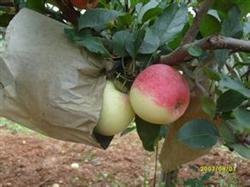
A Complete Guide to Apple Bagging Time and Methods
Bagging Time Apart from apple varieties whose fruit surface is prone to russeting, early-ripening and mid-ripening apple varieties are usually bagged about 30 days after petal fall, while mid-late-ripening and late-ripening apple varieties are bagged 35 to 45 days after petal fall. If bagged too early, the apple surface will be more smooth and glossy at harvest, but because the young fruit's stalk is tender and slender, the fruit may drop with the bag in windy weather...
-
The Best Time and Method for Bending Apple Tree Branches: A Detailed Guide
Apple Tree Branch Bending Time and Methods. Branch bending is an important technical step in apple tree production management, playing a decisive role in developing a good tree shape and solving ventilation and light penetration problems. 1 The importance of branch bending. Branch bending, as...
-
What is the purpose of hilling soil around scallions? A detailed guide to hilling methods
The elongation of the leaf sheath cells in the false stem of scallions requires a dark and moist environment and is based on the input and accumulation of nutrients. Therefore, hilling soil in stages is an important measure to prevent lodging, soften the leaf sheaths, extend the length of the white stalk, and improve the yield and quality of the white stalk. Hilling should be done after entering the vigorous growth period, when the climate and soil temperature turn cooler...
-
Welsh Onion Cultivation Technical Guide: Learn to Grow Welsh Onions in One Article
I. Seedling Raising: 1. Sowing Time: Depending on the different requirements for the product, sowing can be done in all four seasons. The best sowing period for high-yield Welsh onion cultivation is autumn sowing (when the average temperature over a ten-day period is stable at 16.5°C-17°C, which is exactly in early October). The climatic conditions across the north and south of the country differ, and sowing times also vary. The best time is determined...
-
What are the main diseases of Welsh onion? A complete guide to identifying common types
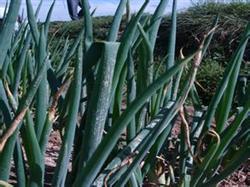
Once the white pseudostem enters its vigorous growth period, the threat of pests and diseases also enters a high-incidence stage. The main pests and diseases are: purple blotch, downy mildew, soft rot, onion maggot, onion thrips, onion leaf miner, and beet armyworm. 1. Purple blotch: in the early stage of the disease, spray 75% chlorothalonil wettable powder at 500-600 times dilution, 58% metalaxyl-mancozeb...
-
How to manage autumn-planted scallions? Keep this management guide handy
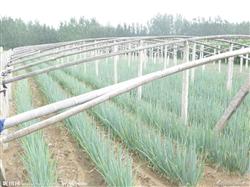
Scallion is a biennial, cold-tolerant and highly adaptable vegetable of the Liliaceae family. Scallion leaves release propyl sulfide with a pungent odor, and its root system secretes bactericidal substances; together they can effectively inhibit the spread of various pathogens in the air and soil, prevent infection, or kill pathogens, significantly reducing the incidence of disease in vegetable plants...
-
What to Do When Onion Seedlings Suffer Frost Damage? A Detailed Guide to Remedial Measures
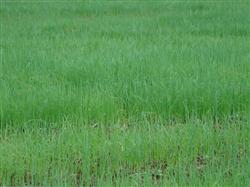
The focus of onion seedling-stage management is to cultivate strong seedlings of the right age, which means preventing the seedlings from growing too large and bolting prematurely, while also avoiding excessive growth and aging of the seedlings. 1. Water management: After sowing, water thoroughly, then cover the plastic film and press down the edges well. Do not uncover the film until the seedlings emerge, in order to help retain heat and moisture. After the seedlings emerge, keep the seedbed soil regularly...
-
How to prevent and control watermelon seedling diseases? A detailed guide to integrated control techniques
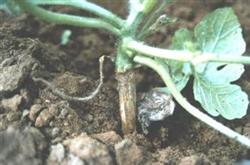
I. Symptoms of the main diseases 1. Damping-off. In the early stage, the root collar of the seedling (the junction of root and stem) develops lesions that look as if scalded by boiling water and become rotten, after which the diseased part turns yellowish-brown, dries out and shrinks; the cotyledons have not yet wilted, but the seedling topples over. Damping-off mostly occurs from the emergence of the cotyledons to the stage when 2 true leaves have flattened out. The disease spreads very quickly; a few days after the appearance of the first diseased plants, seedlings topple over in patches. Under conditions of high temperature and high humidity, the diseased parts of the seedlings and the ground nearby,
-
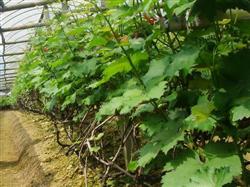
Grape Spring Management Technical Knowledge Guide
Spring is the season when grapes bud and unfold leaves, vines extend, and they send out clusters and bloom and bear fruit. Strengthening spring grape management can improve grape yield and quality. 1. From mid-to-late February to early March, the budding stage: irrigate to promote bud break and apply quick-acting nitrogen fertilizer. At this stage, orchards with the conditions should irrigate the whole orchard in a timely manner to ensure uniform budding...
-
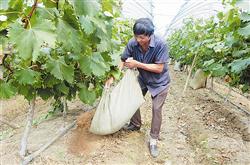
Detailed Guide to Key Grape Fruit Management Points in Summer
In July, grapes should be fertilized in a timely manner. Generally, one topdressing is applied at the early coloring stage of the fruit, mainly with phosphorus and potassium fertilizers. A sulfur-based ternary compound fertilizer can be chosen for soil application; foliar topdressing can also be used, with options such as a 0.5%-1% potassium dihydrogen phosphate solution sprayed 2-3 times consecutively. To improve the storability of grape berries, before harvest one can...
条件筛选