Grape Spring Management Technical Knowledge Guide
Spring is the season when grapes bud and unfold leaves, vines extend, and they send out clusters and bloom and bear fruit. Strengthening spring grape management can improve grape yield and quality. 1. From mid-to-late February to early March, the budding stage: irrigate to promote bud break and apply quick-acting nitrogen fertilizer. At this stage, orchards with the conditions should irrigate the whole orchard in a timely manner to ensure uniform budding...
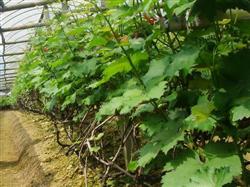
Spring is the season when grapes bud and unfold leaves, vines extend, and they send out clusters and bloom and bear fruit. Strengthening spring grape management can improve grape yield and quality.
1. From mid-to-late February to early March, the budding stage: irrigate to promote bud break and apply quick-acting nitrogen fertilizer.
At this stage, orchards with the conditions should irrigate the whole orchard in a timely manner to ensure uniform budding. At this time, flower buds are continuing to differentiate and new shoots are beginning vigorous growth, requiring large amounts of nutrients, so apply decomposed human manure and urine mixed with 0.2% urea. This fertilization amount accounts for about 15% of the whole year.
2. From March to mid-to-late April: shoot thinning, bud removal, flower cluster handling, and pest and disease control.
After winter pruning, the winter buds on the fruiting mother branches usually have 70% to 80% sprouting, and at this time attention should be paid to retaining buds. Retaining too many buds easily wastes nutrients, weakens tree vigor, and is not conducive to fruit set; but if too few buds are retained, it easily promotes vigorous growth of vines and causes serious flower and fruit drop, so attention must be paid to bud removal and shoot thinning.
Bud removal: usually when multiple buds sprout on one fruiting mother branch, retain one bud every 15-20 cm, retain 2-5 new shoots per fruiting mother branch, and remove the rest from the base. When removing buds, generally remove the flowerless or weak buds among double buds, leaving only one shoot per bud eye. Of course, to ensure yield, when the new shoots grow to 4-5 leaves, you may also decide whether to keep or remove them based on whether their first tendril bears a flower cluster, but this wastes more nutrients.
Shoot thinning and vine tying: before flowering, the retained new shoots are pinched above the flower cluster leaving 5 leaves, while flowerless shoots are pinched leaving 8 leaves. After pinching, a large number of lateral shoots will sprout; keep only 1-2 lateral shoots at the top and pinch them repeatedly leaving 2 leaves, and remove all the other lateral shoots. At the same time, tie the vines in a timely manner according to vine growth.
Handling of flower and fruit clusters: to ensure fruit set rate, usually remove the tip of 1/5 of the flower cluster by hand, and spray 0.3% boron fertilizer plus 0.5% urea at the flowering stage. Five days after flowering, for trees bearing more fruit, carry out manual fruit thinning, then bag them for protection.
Intertillage, weeding, and disease control: begin disease prevention when grapes sprout 3-5 leaves, spraying New High-Lipid Film at 600-800 times dilution once every 7-10 days, especially strengthening spray protection after rain, and pay attention to intertillage and weeding. The main diseases to prevent at this stage are grape black spot, gray mold, and rust. If pathogens have already occurred, commonly used chemicals may be applied: carbendazim at 800 times + New High-Lipid Film at 600-800 times dilution for treatment.