-
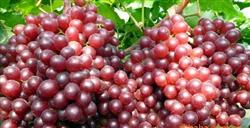
Detailed Guide to Seedless Early-Ripening Cultivation of Grapes
I. Selection of vines for treatment: Choose vines with normal growth and strong vigor, as this gives a high success rate, good fruit set, a high seedless rate, large berries and good market quality. Treating weak or over-vigorous vines gives unstable results, small berries and uneven berry size. It is necessary to investigate the vine's development in the previous year to see...
-
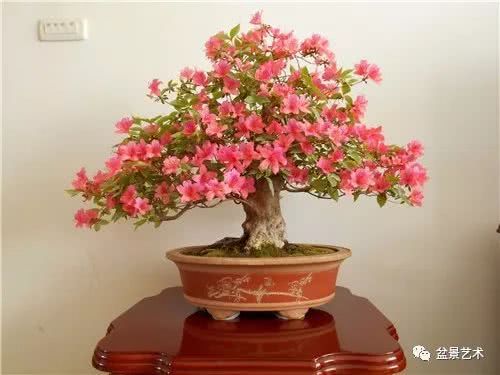
A Detailed Guide to the Cultivation and Management of Azalea Bonsai
Yingshanhong, also known as azalea, belongs to the genus Rhododendron in the family Ericaceae. It is an evergreen, semi-evergreen, or deciduous shrub or small tree, and is one of the ten most famous flowers of China. When spring returns to the earth and the orioles call and the cuckoos sing, it is exactly the time when azaleas are in full bloom, with clusters of flowers and abundant spring vitality...
-

How to grow potted spider flowers? A detailed guide to cultivation methods
Spider flower potting care tips: seedlings should be thinned in time and transplanted when they have 2-3 true leaves, then planted in the ground or in pots in June. It is a taproot plant with small fibrous roots and recovers poorly after transplanting, so it is generally sown directly outdoors in spring, or transplanted when the seedlings grow to about 5 cm tall...
-
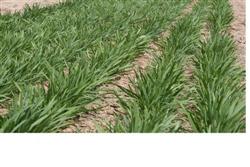
Detailed Guide to High-Yield Cultivation Techniques for Hanzhong Winter Leek
Hanzhong Winter Leek is the dominant leek variety in Hanzhong, Shaanxi. Its leaves are broad and fleshy, its pseudostems are thick and sturdy, and it tillers abundantly. It has high yield, strong cold resistance, and a short dormancy period. It is suitable for open-field and protected cultivation in northern regions and can be marketed year-round. Winter leek is nutritious, with a relatively high carotene content, a mild pungent taste, and less fiber, making it deeply...
-
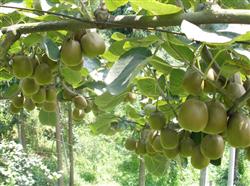
A Complete Guide to High-Yield Kiwifruit Cultivation Techniques
1. Variety selection: choose good varieties with large fruit, good quality, strong disease resistance and good yield, such as Hayward, Allison, Bruno, etc. 2. Site selection and orchard establishment: kiwifruit likes a cool and humid environment, fears drought, waterlogging and wind, and is cold-tolerant but not tolerant of late frost in early spring, so kiwifruit orchards in mountainous areas should be chosen on sheltered...
-
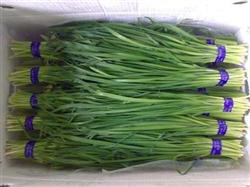
What is the scientific way to harvest garlic chives? A detailed guide to the method
The number of harvests of garlic chives should be appropriate, generally 4-5 times a year, with 2-3 harvests before June in spring. When growing garlic chives in summer, high yields depend mainly on nourishing the roots and letting the plants produce more tillers, so they are generally not harvested, laying the foundation for a high yield in autumn. In autumn, 2-3 harvests are generally possible. If there are too many harvests, the plants will...
-
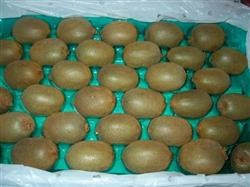
How to Store and Keep Kiwifruit Fresh? A Detailed Guide to Practical Techniques
I. Strengthen field management: Fruit quality is the key to kiwifruit storage and freshness. Strengthen soil management and apply balanced fertilization; scientifically thin flowers and fruits and establish a reasonable leaf-to-fruit ratio; protect natural enemies and strengthen pest and disease control; prune scientifically and do not use hormones such as Daguoling; ensure high quality first, then pursue high yield, ...
-
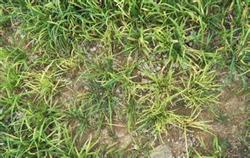
What to Do When Chives Get Fusarium Wilt? A Full Guide to Prevention and Control Measures
Symptoms of chive Fusarium wilt: In hot seasons, it may suddenly break out within 2 to 3 hours after rain followed by blazing sun. Water-scalded symptoms appear in the middle of the leaves or at the leaf tips touching the ground, and in severe cases all leaves show these symptoms and then completely die. Although diseased root clumps may sprout new plants, sometimes the spr...
-
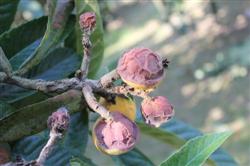
A Detailed Guide to the Nutritional Needs and Fertilization Techniques of Loquat
Loquat anthracnose is a fungal disease that can harm loquat leaves, fruit and seedlings, mainly attacking the fruit. Initially, pale brown water-soaked round spots form on the fruit surface, later turning tea-brown to dark brown round or oval lesions; the affected part becomes sunken and is densely covered with small pale red dots that later turn into small black dots arranged in concentric rings, and the fruit...
-

Detailed Guide to Chinese Cabbage Planting Time and Methods
Chinese Cabbage Planting Time and Methods
条件筛选