What to Do When Onion Seedlings Suffer Frost Damage? A Detailed Guide to Remedial Measures
The focus of onion seedling-stage management is to cultivate strong seedlings of the right age, which means preventing the seedlings from growing too large and bolting prematurely, while also avoiding excessive growth and aging of the seedlings. 1. Water management: After sowing, water thoroughly, then cover the plastic film and press down the edges well. Do not uncover the film until the seedlings emerge, in order to help retain heat and moisture. After the seedlings emerge, keep the seedbed soil regularly...
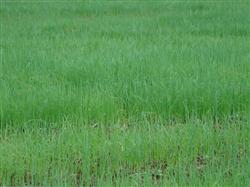 When vegetables suddenly encounter a cold wave, with temperatures dropping abruptly by more than 10°C, windy and snowy weather deals a devastating blow to onion seedlings that have just been transplanted and are in the seedling-recovery stage, causing seedlings to freeze to death to varying degrees. In particular, onion seedlings with small diameters and weak growth vigor suffer especially severe death rates. The following three countermeasures are introduced below.
I. Check seedlings and fill gaps
After temperatures rise and the weather turns warmer, promptly go to the field to inspect the seedling condition. For seedlings that have frozen to death and show no signs of recovering, resolutely remove them and replant with healthy, vigorous seedlings. For plots with severe seedling death where replanting is not possible, consider destroying the crop and arranging to plant other crops to reduce losses.
II. Appropriately delay the planting period
For plots where onion seedlings have not yet been planted, the planting time can be appropriately postponed. Wait until temperatures clearly rise and there is no major cooling weather, then choose sunny weather with relatively high temperatures for planting.
III. Increase temperature and retain heat
For plots where onion seedlings have already been planted, measures such as building small arched sheds with bamboo poles or bamboo strips and covering them with shed film can be used to raise the air temperature and soil temperature in the field, so as to promote the downward growth of seedling roots and help seedling recovery. For plots where seedlings have not yet been planted, a method of laying double layers of plastic film can be adopted. Where conditions permit, a small arched shed can also be added on top to raise and maintain soil temperature, and planting can be done after temperatures rise again. In this way, the relatively high temperature helps the seedlings recover quickly.