What is the purpose of hilling soil around scallions? A detailed guide to hilling methods
The elongation of the leaf sheath cells in the false stem of scallions requires a dark and moist environment and is based on the input and accumulation of nutrients. Therefore, hilling soil in stages is an important measure to prevent lodging, soften the leaf sheaths, extend the length of the white stalk, and improve the yield and quality of the white stalk. Hilling should be done after entering the vigorous growth period, when the climate and soil temperature turn cooler...
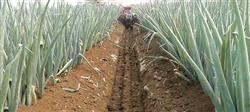
The elongation of the leaf sheath cells in the false stem of scallions requires a dark and moist environment and is based on the input and accumulation of nutrients. Therefore, hilling soil in stages is an important measure to prevent lodging, soften the leaf sheaths, extend the length of the white stalk, and improve the yield and quality of the white stalk. Hilling should be done after entering the vigorous growth period, when the climate and soil temperature turn cooler. From the Start of Autumn to before harvest, generally hill the soil three or four times. For the first 2 times, combine with intertillage and push the ridge soil into the scallion furrow; around End of Heat, fill the furrow level; after that, hill the soil so that the original ridge back becomes a furrow and the scallion furrow becomes the ridge back. The hilling height should be determined according to the growth height of the false stem, generally 3-4 cm, hilling soil up to the leaf emergence opening of the uppermost leaf. Never bury the heart leaf, to prevent the leaves from rotting. When hilling, keep in mind that the width of soil taken must not exceed 1/3 of the row spacing and 1/2 of the planting furrow depth, to prevent damaging the root system.