-
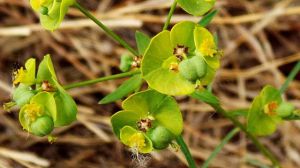
How to identify Euphorbia esula? A simple and practical identification guide
Root and stem: The root is cylindrical and can grow to more than 20cm, with a diameter of 3-6mm, and the stem can reach 30-60cm tall. Leaves: Linear to ovate, with a relatively pointed or bluntly pointed tip, no petiole, 2-7cm long. Flowers: The inflorescence is solitary, stalkless at the base, with campanulate involucral bracts.
-

What to Do During a Mink's Molting Period? A Detailed Guide to Scientific Management
What to Do When a Mink Molts
-
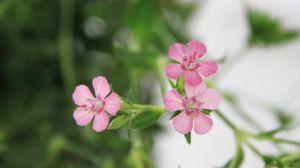
What is the flower language of the fringed pink? Let us guide you through its meanings and symbolism
The flower language of the fringed pink is longing for someone far away. Its flower language comes from an ancient legend: it is said that there was once a pair of lovers, and after they were separated, the beloved went far away, while the one who stayed behind waited, missing them day after day, weeping without end every day, and the tears that fell dropped into the soil and turned into the fringed pink.
-
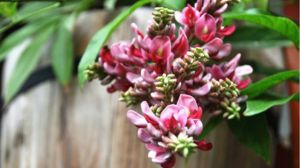
How to grow Millettia dielsiana? A detailed guide to cultivation methods
Millettia dielsiana is a plant that can be used for landscaping and has a strong ability to adapt. Once its seedlings grow a few true leaves, foliar fertilizer can be sprayed. When watering, keep the soil dry-wet alternating. It can be propagated by sowing or cuttings. Whether using direct sowing or hardwood cuttings, the survival rate is relatively high.
-
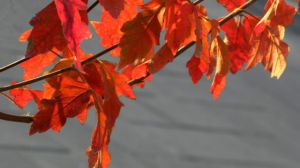
What is the difference between Acer henryi and Acer griseum? A quick guide to tell them apart
Tree: Acer henryi can reach a height of 10 m, the bark is a relatively light brown, and the branches are cylindrical; Acer griseum is generally 10-20 m tall, the bark is a relatively dark brown, with oval thin flakes peeling off the trunk, and the current-year twigs are pale purple. Leaves: the leaves of Acer henryi have a papery texture and are compound leaves made up of three leaflets, oval in shape; the leaves of Acer griseum have 2-3 irregular serrations along the edges, with short, small petioles.
-
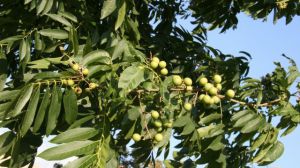
What are the differences between the soapberry tree and the goldenrain tree? A quick guide to telling them apart
Tree shape differences: The soapberry tree can grow to over 20 m, while the goldenrain tree generally only grows to 7-13 m, shorter than the former. Leaf differences: The total length of the soapberry tree's leaves and petiole is 25-45 cm, with 5-8 pairs of leaflets on them. The goldenrain tree's leaves are about 50 cm long, with 5-8 pairs of leaflets on them. Its leaflets are rounder than those of the former.
-
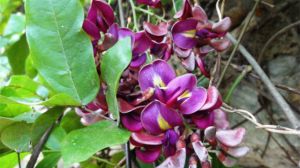
How to identify Millettia dielsiana? A detailed guide to identification methods
Leaves: Millettia dielsiana has pinnately compound leaves that are papery in texture and lanceolate, oblong or narrowly oblong in shape. Flowers: The paniculate inflorescence is terminal, about 40 cm long; the flowers are solitary and the corolla is purplish-red. Fruit: The pod is linear or oblong, flat, and covered with gray down on the surface.
-
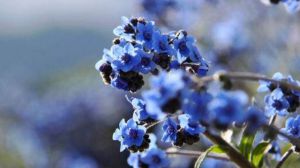
How to identify hound's tongue? A detailed guide to identification methods
Stem: The stem of hound's tongue is either single or several clustered together, and can grow to 15-60cm. Leaves: The basal leaves have petioles and are oblong-lanceolate or lanceolate; the stem leaves have no petioles and are lanceolate or oblong. Flowers: Blue, with rounded lobes and obvious reticulate veins.
-
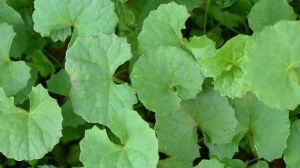
What is the difference between Farfugium japonicum and Centella asiatica? A quick guide to telling them apart
Leaf differences: The leaves of Farfugium japonicum are kidney-shaped, 9-13 cm long; the leaves of Centella asiatica are round, kidney-shaped or horseshoe-shaped, 1-2.8 cm long. Flower differences: The flowers of Farfugium japonicum are pale yellow, oblong or spoon-shaped oblong; the flowers of Centella asiatica are purplish-red or milky white, with ovate petals that are membranous, and a style about 0.6 mm long.
-
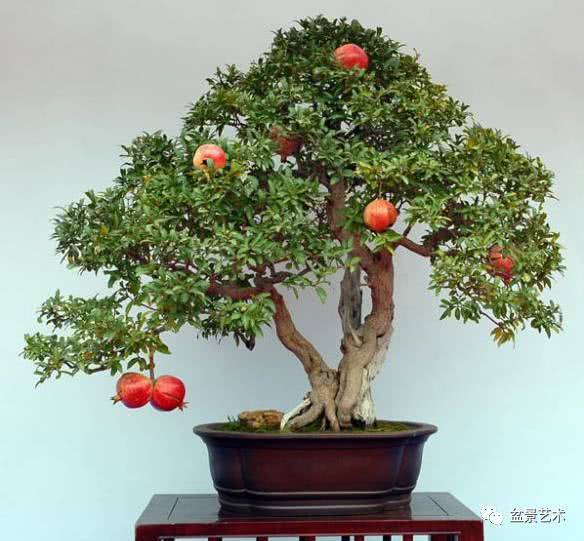
Detailed Guide to Making Pomegranate Bonsai, Beginners Can Do It at a Glance
Whether for enjoying the flowers or the fruit, the pomegranate is an excellent choice for potted cultivation. Pomegranate flowers come in single-petaled and double-petaled varieties; flower colors include bright red, crimson, yellow-white, and red-and-white mixed; fruits come in large-fruited and small-fruited types. For making pomegranate bonsai for ornamental display, it is generally best to choose double-petaled varieties with large flowers...
条件筛选