-
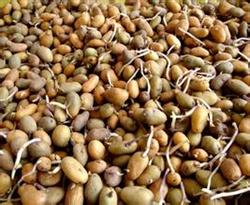
Potato Field Management Methods
Potato sprouting using the wet sand stratification method: Potato sprouting is generally carried out about 30 to 40 days before sowing. Sprouting can be done in sun-facing beds, cold frames, indoors, plastic tunnels and greenhouses. For sprouting in sun-facing beds, choose a wind-sheltered, sunny spot and build the bed in an east-west direction. Generally the seedbed is 0.4 to 0.5 m deep and 1.3 m wide, with a 0.5 m high windbreak wall of earth built on the north side...
-
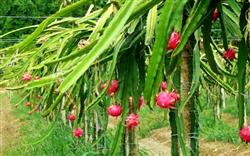
A Detailed Guide to Dragon Fruit Cultivation Techniques and Field Management Methods
I. Orchard Establishment Dragon fruit is relatively heat-tolerant, water-tolerant, and prefers warm, humid, sandy soil rich in organic matter. Before planting the seedlings, set up 100-110 square concrete pillars measuring 10×10×250 cm per mu at a spacing of 1.5 m × 2 m, with the concrete pillars buried 50 cm into the soil to support the climbing dragon fruit branches. On both sides of each concrete pillar, at 5-1...
-

Detailed Explanation of the Planting Methods and Field Management Points for Lambsquarters
Planting Methods for Lambsquarters
-

-
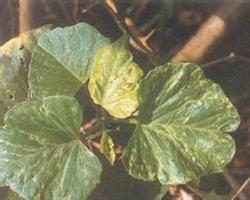
Key Technical Points and Recommendations for Mid-Season Field Management of Sweet Potato
In recent years, farmers have often reported that after the sweet potato seedlings they cultivated were transplanted into the field, the leaves turned yellow and wrinkled, and the plants grew very slowly, or in rural colloquial terms, "died without growing." Such potato vines basically produce no yield later on. According to investigation, the main cause is severe occurrence of sweet potato virus disease. Sweet potato virus disease is a common disease of sweet potato...
-
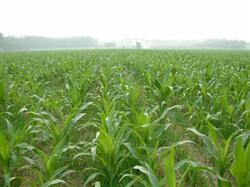
Key Technical Points for Summer Field Management of Spring Corn
At present, spring corn in the Qianxi area has entered the jointing stage, which is the peak period of water and fertilizer demand for corn and also a critical period for yield formation, so summer management of corn should be strengthened. 1. Timely topdressing Corn topdressing should be mainly nitrogen fertilizer, preferably applied in two split applications, namely 20 kg of urea per mu at the large trumpet stage...
-
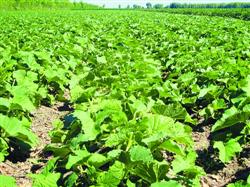
Key Technical Points for Spring Field Management of Melons
Fertilization: Apply the base fertilizer all at once in sufficient quantity. Dig a furrow 30 cm from the plants, and apply 50-100 kg of potassium sulfate compound fertilizer per mu, or 2-3 cubic meters of decomposed livestock and poultry manure. Or apply 50-100 kg of ternary bio-organic fertilizer. In the middle and late stages, spray the leaves with potassium dihydrogen phosphate + 600-800 times dilution of Xin Gao Zhi Mo, and at the same time spray Cui Hua Wang No. 3 to balance vegetative growth...
-
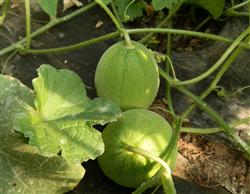
Open-field Melon Cultivation Techniques and Management Key Points
1. Production site conditions: 1.1 Temperature conditions The minimum temperature required for thick-skinned melons is 15°C, the optimum temperature is 18°C-32°C, and the effective accumulated temperature ≥15°C required throughout the growth period is above 1500°C. 1.2 Soil conditions The soil layer is deep, with a pH of 7.0-8.0 being suitable, soil salt content below 0.3%, and a loam or sandy loam texture...
-
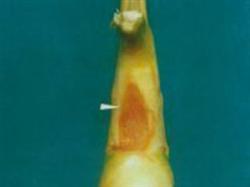
Detailed Explanation of Key Technical Points for Field Management of Water Bamboo
[Symptom characteristics] Water bamboo soft rot mainly occurs in the water bamboo shoots during transportation, sales and storage after harvest. Infected water bamboo shoots initially show nearly round to irregular, nearly translucent water-soaked spots, after which the lesions spread rapidly, the affected tissue softens and rots, and a foul odor is noticeable, ultimately causing part or most of the tissue of the water bamboo shoot to rot so that it is inedible. Affected...
-

How to carry out good field management when growing peanuts?
Field management for peanut cultivation
条件筛选