Key Technical Points for Spring Field Management of Melons
Fertilization: Apply the base fertilizer all at once in sufficient quantity. Dig a furrow 30 cm from the plants, and apply 50-100 kg of potassium sulfate compound fertilizer per mu, or 2-3 cubic meters of decomposed livestock and poultry manure. Or apply 50-100 kg of ternary bio-organic fertilizer. In the middle and late stages, spray the leaves with potassium dihydrogen phosphate + 600-800 times dilution of Xin Gao Zhi Mo, and at the same time spray Cui Hua Wang No. 3 to balance vegetative growth...
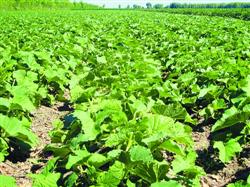
Fertilization
Apply the base fertilizer all at once in sufficient quantity. Dig a furrow 30 cm from the plants, and apply 50-100 kg of potassium sulfate compound fertilizer per mu, or 2-3 cubic meters of decomposed livestock and poultry manure. Or apply 50-100 kg of ternary bio-organic fertilizer. In the middle and late stages, spray the leaves with potassium dihydrogen phosphate + 600-800 times dilution of Xin Gao Zhi Mo, and at the same time spray Cui Hua Wang No. 3 to balance vegetative growth and reproductive growth, promote flower bud differentiation, improve the quality of pollen fertilization, and increase the fruit-setting rate.
Pesticide Application
Along with the pots and fertilizer, broadcast 2-4 kg of Tian Nuo Xian Jing per mu, or phoxim or abamectin, etc., to control underground pests, nematode diseases, or soil-borne diseases; during the planting and management process, the prevention of viral diseases should be strengthened by spraying Xin Gao Zhi Mo, and spraying Zhi Bing Ling and protective fungicides on the leaves once every 10 days or so.
Watering
Water less in normal times, and seize the key periods such as the fruit-swelling water, while also applying quick-acting compound fertilizer as a top dressing to ensure the melons receive sufficient nutrients. Water promptly in case of drought.
Management
Choose an appropriate pruning and vine-training method according to the characteristics of the variety. For example, if Cui Hua Wang No. 3 is sprayed, there is no need to prune or remove side shoots, and the plants can be allowed to grow naturally, which can also increase the cyclic fruit-setting rate; while the Shabai series melons require five-vine pruning with 3-4 melons retained.
Taboos
Most melons should not be planted in continuous cropping, should not be watered when the soil is hot, should not be given chlorine-containing fertilizers, should not be weeded during the flowering period, should not be given nitrogen fertilizer, should not be planted after a rapeseed crop, and should not be planted under large trees. Melon growers are advised to pay attention and refer to these practices for planting, so as to ensure a good harvest.