Potato Field Management Methods
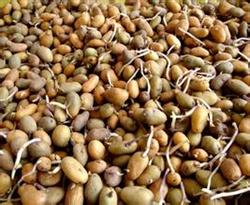
Potato sprouting using the wet sand stratification method: Potato sprouting is generally carried out about 30 to 40 days before sowing. Sprouting can be done in sun-facing beds, cold frames, indoors, plastic tunnels and greenhouses. For sprouting in sun-facing beds, choose a wind-sheltered, sunny spot and build the bed in an east-west direction. Generally the seedbed is 0.4 to 0.5 m deep and 1.3 m wide, with a 0.5 m high windbreak wall of earth built on the north side...
 1. Timely inter-row cultivation and weeding, and topdressing according to seedling condition: Since autumn has short daylight hours, which suits tuber growth, the plants set tubers early and are not prone to excessive vegetative growth, so management should focus on promoting growth. When 60-70% of the potato plants have emerged, apply 2.5-3 kg of urea per mu, mixed with 1600-2000 kg of water and liquid fertilizer, as a hole application; when the plants have grown to 30-40 cm, apply 500 kg of plant ash per mu, mixed with 40-50 kg of human and livestock urine, stir well and apply in holes, and build up the ridges and earth up the soil to encourage early vigorous growth and rapid development.
2. Clear the drainage ditches well and reduce field humidity: After sowing, water continuously to keep the rows and ridges moist until emergence. In the later period, when temperatures drop, reduce irrigation, clear the drainage and moisture-removal ditches, and gradually thicken the earth covering for cold protection to protect the tubers.
3. Apply pesticides promptly and control potato late blight and aphids well: The most effective agent for controlling late blight is a 600-fold dilution of 25% metalaxyl-mancozeb, or a 700-800 fold dilution of 72% Curzate for spraying; the effective agent for controlling aphids is a 2000-3000 fold dilution of pirimicarb for spraying.