-

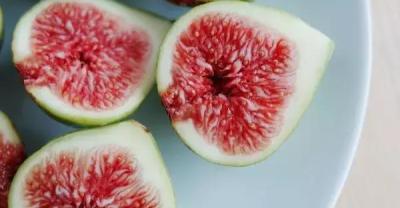
Fig branch cuttings root in soil in less than a week, plus field management tips
It is also a type of fruit, and it can survive no matter where it is planted. Many people think figs only bloom but do not bear fruit. Actually, that is not the case; it does bloom, but the blooming period is very short, so if you do not pay careful attention, you will miss it. The fig is a plant that very much likes warm air. Its flowering period is very short, but its fruiting rate is very high. Therefore, when planting figs, you must choose the time according to its growth habits, and there are many places where figs.
-
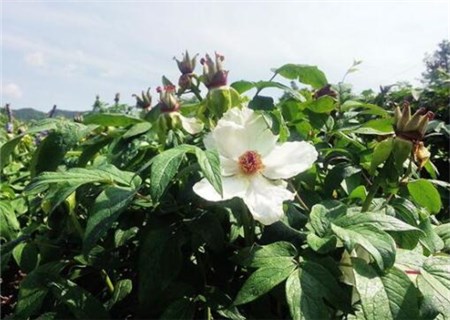
A Detailed Guide to Oil Peony Planting Methods, Field Management and Uses
Oil peony refers to peony variety types with high seed yield, high oil content and high active ingredient content. Peony belongs to the genus Paeonia in the family Paeoniaceae, section Moutan, and has a wide range of uses and good economic benefits. So do you know what the planting methods for oil peony are? How should field management be carried out? What are its uses?
-
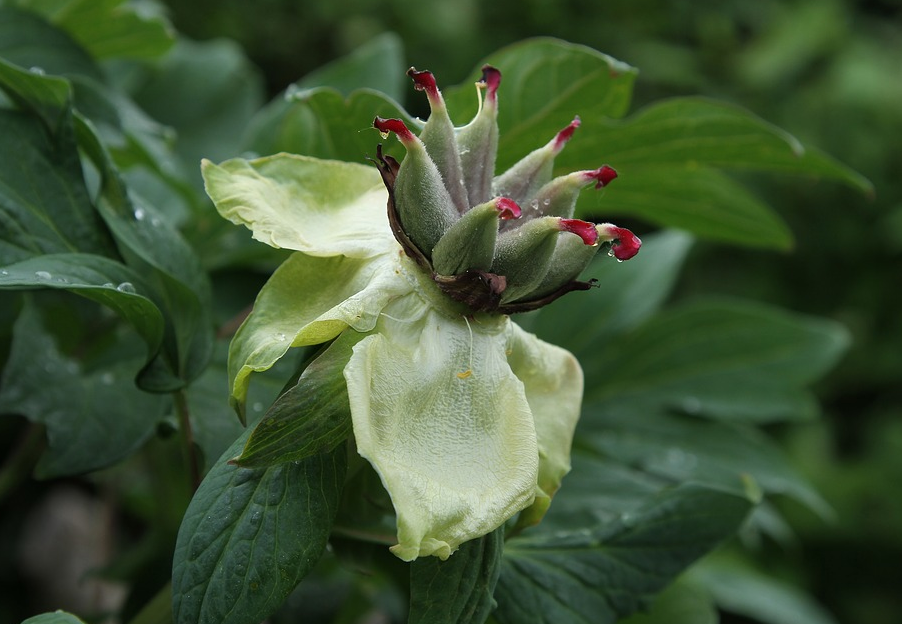
Peony Seed Planting Methods and Field Management Techniques
Peony, also called Luoyang flower and wealth flower, is a plant of the genus Paeonia in the family Paeoniaceae. It is a valuable woody flower unique to China, widely cultivated in China, and long ago introduced to various parts of the world. So how do you plant the seeds of the king of flowers, the peony? What are the field management techniques? Peony seed planting methods
-
Propagation Methods, Planting and Field Management of Multi-Season Roses
Propagation Methods, Planting and Field Management of Multi-Season Roses. The multi-season rose is a variety of rose with strong environmental adaptability and many flowering seasons. 1 Propagation methods of multi-season roses...
-
Water Spinach Growing Methods and Key Field Management Points
By Xiangtu Yijiu A few days ago, a friend on our official account asked about how to grow water spinach. It happens to be a good time to plant it now, so today I will just talk about how to grow it...
-

Detailed Explanation of Sweet Potato Cultivation Techniques, Planting Methods and Field Management Key Points
Sweet potato was originally named fan shu, also known as hong yu, gan shu, fan shu, da mi, fan yu, di gua (in the north), hong shao, xian shao, bai shu, jin shu, tian shu, zhu shu, zhen...
-
Celery Cultivation Techniques and Field Management Key Points
Celery is nutritious. According to measurements, every 100 grams of the edible portion contains 0.7 grams of protein, 0.1 grams of fat, 5.0 grams of carbohydrates, 37.0 milligrams of calcium, 1....
-

Open-field Melon Cultivation Techniques and Management Key Points
Muskmelon (Cucumis melo), also known as "sweet melon", also known as "white pecking melon". It is an annual trailing herbaceous plant of the Cucurbitaceae family, Cucumis genus, with heart-shaped or palm-shaped leaves...
-
Key Technical Points for Field Management of Soybeans in the Mid-to-Late Growth Stages
I. Management During the Flowering and Podding Stage During the flowering and podding stage, the main management tasks are to strive for more flowers, early flowers, uniform flowers, increased flowers, and increased pods, and to prevent flower and pod drop. Management should be based on observing the plants, combining preservation and control; for high-yield fields, control should be the main approach, avoiding premature canopy closure and shading, so that maximum leaf area is reached at the end of flowering. Specific measures: continue hoeing weeds before canopy closure, and apply irrigation and fertilizer as appropriate based on plant condition; at the early flowering stage, fertilizer should be applied to weak plants, but not to vigorous plants to prevent excessive vegetative growth. Applying phosphate fertilizer during the flowering and podding stage has an obvious effect; during this period, soybean leaf area reaches its maximum, water consumption increases, and both transpiration intensity and water demand
-
Detailed Explanation of Key Soybean Field Management Techniques
1. Thin seedlings early. As the farming proverb says: "Thin seedlings an inch early, and it is as good as a load of manure." Thinning is especially important for mechanically drilled soybeans or hand-sown beans planted with a large plow in furrows. After thinning, the seedlings are distributed evenly and reasonably, which promptly prevents seedlings from crowding one another, reduces consumption of soil nutrients and water, and allows the seedlings to develop evenly and vigorously, thereby increasing soybean yield. Thinning is generally carried out during the soybean seedling stage, when the two opposite single leaves are flat and spreading and compound leaves have appeared. During thinning, diseased seedlings, weak seedlings, and mixed seedlings must be pulled out. 2. Cultivation and weeding. Generally, three hoeings and three hillings are required. Specific timing:
条件筛选