High-yield fertilization techniques for sesame: focus on three key topdressings
Double-stem cultivation involves removing the growing tip of the main stem during the sesame seedling stage and using the axillary buds at the base of the stem to promote the growth of 2 stems similar to the original main stem, turning one plant with one stem into one plant with two stems. This can greatly increase the number of pods and thereby raise yield. Generally, it increases sesame income by about 10 kg per mu. Therefore, double-stem cultivation is a new...
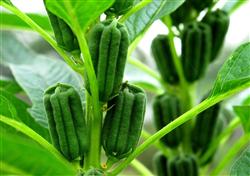 To achieve high quality and high yield in sesame, in addition to using excellent varieties, scientific and reasonable topdressing is also necessary. Specifically:
Seedling stage: Because too much nitrogen fertilizer applied as a base fertilizer can easily cause excessive vegetative growth of seedlings and form leggy seedlings, sesame at the seedling stage generally uses only part of the nitrogen fertilizer as base fertilizer. There is a saying among growers to "topdress according to the seedlings." When seedling vigor is very poor or the seedlings vary greatly in size, a small amount of seedling-promoting fertilizer may be applied first, with diluted decomposed human manure or urea giving better results. Because sesame roots are relatively shallow at this time, fertilizer should be applied as shallowly as possible.
Squaring stage: The squaring stage of sesame is exactly the period of flower bud differentiation. At this time, sesame vegetative growth and reproductive growth advance simultaneously, and topdressing has the best effect. Topdressing should be mainly nitrogen fertilizer, supplemented by phosphorus and potassium fertilizers. In boron-deficient areas, boron fertilizer should be applied.
Flowering stage: Sesame grows most rapidly after entering the flowering stage, and the nutrients absorbed during this period account for 70%-80% of the entire growth period. In order to meet the needs of plant growth and development, make sesame grow vigorously, accumulate more photosynthetic products, increase the number of flowers and capsules, maintain steady growth in the later stage without premature senescence, and make the grains plump and full, flower fertilizer must be applied heavily. At this time, lateral roots have begun to form in large numbers, the absorptive capacity of the root system has increased, the growth rate of the plant has accelerated, and the demand for nutrients has also increased significantly. When applying fertilizer, chemical fertilizer is more convenient, and decomposed cake fertilizer, manure fertilizer, barnyard manure, etc. may also be applied.