What to do when the leaves of a Malabar chestnut (Pachira aquatica) turn yellow? Watch out for these 5 points; improper water and fertilizer are the key
As a plant that symbolizes wealth and has a remarkable appearance, the Malabar chestnut should be familiar to gardening enthusiasts. It stays green all year round, with broad, glossy leaves and excellent ornamental value. However, during cultivation, because there are many beginners, they often cause yellowing leaves due to improper care, which affects the plant's ornamental value. So, what should you do when the leaves of a Malabar chestnut turn yellow? Today the editor will help everyone solve this problem.
1. When Malabar chestnut leaves turn yellow, find the cause
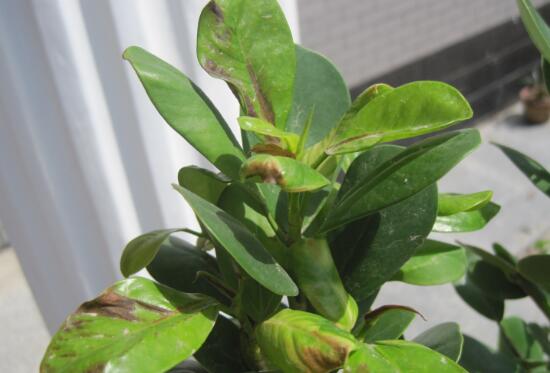
The Malabar chestnut is a plant with strong adaptability. It is cold-tolerant and not afraid of direct strong light, so it rarely has problems. But no matter how easy a plant is to grow, if it is cared for blindly or basically not cared for at all, problems can still arise under certain special circumstances, such as yellowing leaves. As for what to do when Malabar chestnut leaves turn yellow, everyone should first find the cause so that it can be solved accordingly.
2. Causes of yellowing Malabar chestnut leaves and solutions
1. Environmental problems
There are many causes of yellowing Malabar chestnut leaves overall, but the first thing everyone should consider is environmental problems. If the Malabar chestnut is placed indoors in a spot that is not ventilated, over time it will develop yellow leaves.
Solution: Very simple. Move it to a ventilated place with good light, and after a period of time it will recover its health.
2. Improper watering
① Insufficient watering: Yellowing Malabar chestnut leaves are generally caused by excessive drought. The Malabar chestnut likes a humid environment. If it is not watered for a long time, or never watered thoroughly, over time the leaves will turn yellow due to lack of water. Solution: Replenish water in time and spray the leaf surface to increase humidity, but the amount should not be too much.
② Overwatering: Plants like the Malabar chestnut prefer a humid environment, but everything needs a limit. Too much watering leads to water accumulation in the pot, which can also rot the roots and cause yellow leaves. In severe cases, the Malabar chestnut may even drop its leaves. Solution: Dry out the potting soil in time and reduce the frequency of watering.
3. Improper fertilizing
Having discussed watering, let's talk about fertilizing. It is also one of the causes of yellowing Malabar chestnut leaves:
① Too much or too concentrated fertilizer easily burns the roots and forms yellow leaves, and may even kill the plant. The symptoms are: new leaves turn brown, and old leaves become scorched yellow and fall off. Solution: Immediately flush the roots with a large amount of water to wash away the excess fertilizer. In severe cases, change the soil, wash the roots, and replant.
② When fertilizer is insufficient, the nutrients in the soil cannot keep up, the leaves lack chlorophyll, and this can also lead to signs of yellowing leaves. Solution: Fertilize appropriately; applying more than 10 granules of compound fertilizer each month is enough.
4. Unsuitable soil
Many gardening enthusiasts never change the soil after buying a potted Malabar chestnut, which results in soil compaction, poor root respiration, and over time the roots gradually rot, showing symptoms of yellow leaves.
Solution: Very simple. You can repot the Malabar chestnut with fresh potting soil once.
5. Insufficient light
The Malabar chestnut likes light and needs sufficient light during growth, and it is not afraid of strong light, so the best placement is a spot with good light. Once it lacks light, the color of the Malabar chestnut's leaves will gradually become lighter and turn yellow.
Solution: Place the Malabar chestnut in a spot indoors with good light, and let it get some sun outdoors every 3-5 days. If you have a courtyard, you can directly place it outdoors for care.
Although the Malabar chestnut is easy to grow, if you want to enjoy its beauty, in addition to caring for it strictly according to Malabar chestnut cultivation methods, everyone should also pay attention to the above 5 points. Only in this way will your Malabar chestnut avoid symptoms of yellow leaves. That is all the editor has to share about yellowing Malabar chestnut leaves, and I hope it can help everyone.
Identification and prevention of freezing damage in flowers and trees
For potted or field-grown flowers and trees, a sudden cold wave moving south in late autumn and early winter, or the sudden arrival of the "first frost," can easily cause the plants to suffer chilling injury or freezing injury; in spring, when potted flowers are moved out of doors or when the covering film is removed from protected cultivation flowers and trees, a sudden late-arriving "late frost" or "cold spell in late spring" can also very likely cause the plants to suffer chilling injury or freezing injury again. Whether it is large-scale commercial cultivation or a small number of potted plants grown by flower lovers, prevention of cold damage must be given a high degree of attention, otherwise it will bring you serious losses and long-lasting "regret."
Cold damage is a physiological disease, not an infectious disease induced by the harm of pathogenic bacteria. It generally refers to injury caused by low temperature acting directly on the plant, including chilling injury and freezing injury, and does not include indirect winter drought, frost heaving, and other winter damage.
Winter drought and frost heaving are indirect damage caused by low temperature. Winter drought refers to the following: some evergreen flowers, under certain special weather conditions in winter, such as prolonged and strong wind or a sunny day that is not very cold but has abundant sunlight, have a relatively high transpiration rate, but because the soil temperature is relatively low, the roots absorb water slowly, and the water in the plant body cannot maintain a normal balance, causing leaves and other tissues to dehydrate, dry out, and suffer damage. Its essence is a kind of drought damage; for example, the leaves of Banksia rose and jasmine suddenly dry up on dry, cold, sunny days. Frost heaving refers to the following: when melted snow water seeps into the soil and freezes again, some plants, especially seedlings or herbaceous flowers, are often lifted up together with the frozen soil, thus destroying the close contact between the root system and the soil, and even tearing the root mass apart; before the root system has time to recover, it encounters weather conditions that promote strong transpiration, causing the plant to wither and die. For example, wintersweet planted in flowerpots, placed in a very cold and shaded place in winter, because the potting soil is relatively wet and freezes, lifts the root ball so that it separates from the pot wall. If this is not discovered in time and it is not replanted properly, or moved to a relatively warm environment, the root system may very likely become exposed, lose water, and die, ultimately causing the plant to die.
1. Types and causes of cold damage
Because the causes of cold damage differ, the resulting harm also differs. The differences between cold damage and general infectious diseases are: first, it is not contagious, and no pathogens appear in the damaged parts; second, the same kind of flower and tree placed in the same environment often shows disease overnight at the same time, and tender shoots and new leaves are the most seriously affected; third, it occurs under low temperature or especially cold weather conditions, and the degree of harm caused is related to the species of flower and tree, the duration of low temperature, the speed of temperature recovery, and the lower limit of low temperature.
Chilling injury in Calathea
Chilling injury in poinsettia
Chilling injury in miniature Swiss cheese plant
Chilling injury in petunia
Chilling injury in arrowhead plant
Chilling injury in Dieffenbachia 'Marianne'
1. Causes of chilling injury
Some ornamental plants native to tropical or subtropical regions, after being affected by low temperatures above freezing (0°C-5°C or a bit higher) for several days or even just a few hours, suffer severe damage to or death of the plant's tissue structure. This kind of cold damage that does not reach the degree of freezing inside the tissues is called "chilling injury," and is damage formed because normal metabolism within the cells is disturbed and disrupted, tending toward disorder, and toxic substances are produced. Different physiological activities and metabolic processes of the plant have their own maximum, minimum, and optimum temperatures. When the environmental temperature changes, their physiological activities and metabolic processes will all be affected to different degrees; if they exceed a certain range, the coordinated relationships among them will be destroyed, producing large amounts of substances that would not be produced and accumulated under normal conditions. Further research found that under chilling injury conditions, the rate of protein hydrolysis increases by 4-9 times compared with normal conditions; nucleic acid metabolism is also severely disturbed; in addition, cooling also affects the oxidative activity of the sensitive mitochondrial membrane in plant cells.
From this it can be seen: first, the ornamental plant species that suffer chilling injury are usually plants native to tropical or subtropical regions; second, the temperature condition for chilling injury is damage from low temperatures above freezing; third, the time for chilling injury to occur may be long or short, usually several days, or even just a few hours. Generally, in late autumn and early winter or early spring, sudden changes in temperature most easily cause chilling injury in flowering and foliage plants native to tropical or subtropical regions. The usual symptoms are that overly tender new shoots and young leaves "turn purple," "turn brown," "turn yellow," "wilt," and "necrose," such as frost-hit Salvia splendens, Tradescantia, Kalanchoe, bougainvillea, and Tradescantia zebrina, all of which belong to this category.
Chilling injury in Dracaena 'Sunshine'
Chilling injury in Lantana
Chilling injury in Syngonium 'Pixie'
Chilling injury in mosquito plant
Chilling injury in Malabar chestnut
Chilling injury in Philodendron 'Imperial Green'
Chilling injury in Philodendron 'Green Giant'
Chilling injury in Peperomia argyreia
Chilling injury in Tradescantia fluminensis
Chilling injury in Dieffenbachia
Chilling injury in Schefflera
2. Causes of freezing injury
Freezing injury refers to damage caused by ice formation inside the tissues of ornamental plants when they are in an environment below 0°C, or when they encounter prolonged ultra-low temperatures.
There are two situations in which ice crystals appear inside plant tissues: one is freezing inside the cells, and the other is freezing between the cells. The former refers to when plant tissues freeze very quickly, ice crystals form in the vacuoles and protoplasm, destroying the structure of the protoplasm and causing protein denaturation. Some membranes within the protoplasm are also torn, usually leading to the death of the tissue, so the result of this kind of "freezing injury" is very severe and irreversible. For example, when a cold wave suddenly moved south in the early winter in northern China, causing a large temperature drop in a short time. In the winter of 2004, this caused a large number of foliage plants in southern China to die from freezing injury; in early December 2005, in the Hefei area, the temperature suddenly dropped from 12°C-15°C to -3°C--5°C, causing severe freezing damage to the leaves and young stems of many field-grown Magnoliaceae flowers and trees, such as Manglietia chingii, Magnolia yunshanensis, Manglietia insignis, and Manglietia ruyuanensis. The latter refers to when, as the environmental temperature gradually decreases, ice crystals gradually form inside plant tissues. Because the concentration of the solution in the intercellular spaces is generally lower than that of the protoplasm and vacuolar sap, when the cooling rate is not too fast, the water in the intercellular spaces reaches freezing point and freezes before the inside of the cells. The formation of ice crystals also causes water in the protoplast to move outward, thereby causing concentration of cell sap, dehydration of protoplasm, protein precipitation, cell membrane degeneration, and cell wall rupture. When ice crystals form in the intercellular spaces, whether the cell tissue is killed depends on the freezing resistance of the cells and the speed and number of times of freezing and thawing. One mechanism of freezing injury is protoplasmic dehydration. Its consequence is the same as dehydration under drought conditions, namely that due to mechanical stress produced by deformation of the cell wall, the structure of the protoplasm is irreversibly destroyed. After the cell sap is concentrated, the concentrations of salt ions and organic acids increase, which may also poison the protoplasm. The severity of freezing injury is related to the speed of freezing. The faster the freezing, the more severe the damage, because when freezing is fast, the possibility of intracellular freezing is greater; if freezing is limited only to the intercellular spaces, then the faster the freezing, the faster the cells lose water and contract, and the greater the destructive effect of the resulting mechanical stress. The serious consequences of freezing injury are also related to the thawing speed of the frozen tissue. Generally, in the case of intracellular freezing, tissue necrosis is inevitable and is unrelated to the thawing speed of the ice; however, in the case of intercellular freezing, the faster the thawing, the greater the damage, because the cell wall rapidly absorbs the water produced by melting ice and expands, but the protoplasm attached to the cell wall absorbs water more slowly, so it is torn and damaged. For example, after red bellflower and bougainvillea suffered severe freezing, because the temperature rose rapidly, the bark was torn and the plants died.
2. Specific manifestations of ornamental plants suffering cold damage
1. Blackening of the xylem
Among the various tissues of mature branches of woody flowers, the cambium is the most cold-resistant, followed by the phloem, while the xylem and pith are the least cold-resistant. Therefore, mild freezing injury shows only discoloration of the pith, moderate freezing injury shows discoloration of the xylem, and only severe freezing injury freezes and damages the phloem. If the cambium in the stem or branch becomes discolored, it will lose its ability to recover, possibly leading to the death of the whole plant.
2. Cracking and necrosis of the trunk bark
Some flower and tree species native to tropical and southern subtropical regions with relatively high water content in the trunk bark, such as Chinese hibiscus, red bellflower, Fagraea ceilanica, cinnamon, money tree, crown of thorns, and Malabar chestnut. When the environmental temperature drops to around -3°C, not only the leaves and branches will be frozen to death, but even the outer bark of the stem, especially the root crown area, will also crack and necrose due to water in the tissues forming ice crystals and expanding in cold and contracting in heat, and may even cause the whole plant to die.
Chilling injury in white michelia
Chilling injury in Tradescantia pallida
Chilling injury in Anthurium
Chilling injury in Alocasia
Chilling injury in Kalanchoe
Chilling injury in Philodendron 'Golden Emperor'
Freezing injury in Euphorbia trigona
3. Color changes in tender shoots and new leaves
The first is "yellowing." In cold seasons, because the temperature is too low, the leaves of some flowers that require relatively high overwintering temperatures will also turn yellow due to cold damage, or even fall off, such as Anthurium, spider plants, trailing pothos, and Peperomia argyreia. The second is "whitening." For example, spider plants, amaryllis, and Tradescantia zebrina placed or planted outdoors, when encountering relatively low temperatures, the new shoots and young leaves lose their original luster and show abnormal changes of "whitening and loss of green." The third is "scorching." The new shoots and young leaves of some ornamental plants, due to frost damage and other harm, show "scorching" on the new leaves, such as spider plants, clivia, and Fatsia japonica. The fourth is "purpling." Some ornamental plants, when encountering low temperatures, show "purpling and browning" at the leaf tips or leaf margins, such as money tree, Cymbidium sinense, and camellia (new leaves).
4. New shoots and young leaves look as if scalded by boiling water
Some ornamental plants with relatively high water content in leaves, new shoots, or stems, including some succulents, such as pothos, Fagraea ceilanica, Chinese hibiscus, Rieger begonia, Aptenia cordifolia, clivia, Alocasia, aloe, Kalanchoe, Rhapis excelsa, Canary Island date palm (seedlings), Washington fan palm, money tree, and Philodendron 'Green Giant,' when the environmental temperature suddenly drops from 5°C-8°C to below -3°C--5°C and lasts for a relatively long time, their newly sprouted tender branches and leaves look as if they have been scalded by boiling water or cooked, all dying in a short time, and the trunk bark cracks and peels off.
5. Browning, withering, and necrosis of new shoots and young leaves
Some new shoots and young leaves of ornamental plants that are not fully developed, such as Malabar chestnut, Mahonia, Fatsia japonica, oleander, money tree, and Cycas, look as if they have been burned by fire, very unsightly.
6. Necrosis and hollowing of the plant body
Generally, succulents, after encountering freezing injury, often become shriveled and hollow, with the whole plant necrotic. Such as cactus globes, cacti, Euphorbia, and three-ribbed arrow.
3. Prevention and treatment of cold damage in ornamental plants
1. Prevention of cold damage in ornamental plants
(1) Choose relatively cold-resistant flower species
Flower lovers should choose foliage, flowering, or fruiting flower and tree species according to the lowest temperature in normal years in your area or the highest room temperature that can be maintained at home in winter (generally 5°C-6°C is needed). In ordinary homes in the Yangtze River basin, under conditions without heating equipment, you can choose camellia, sasanqua, jasmine, white michelia, clivia, Belgian azalea, plum blossom, wintersweet, finger citron, bitter orange, Anthurium, and sago palm, but you cannot choose croton, Calathea, Fittonia, desert rose, Hypoestes, Polyscias, Phalaenopsis, Dieffenbachia 'Marianne,' arrowhead plant, and money tree.
(2) Carry out cold resistance training in stages
For commonly potted Japanese white pine, black pine, Japanese red pine, Huangshan pine, Chinese quince, Chinese elm, trident maple, plum blossom, camellia, ginkgo, dragon juniper, Chinese arborvitae, Chinese juniper, etc., you may consider overwintering them in the ground. It is best to wait until their growth for the year has ended, then carry out freeze resistance training in several stages. The first stage is 0°C-6°C, requiring several days to several weeks, with sufficient light. For evergreens, this can cause starch in the leaves to convert into sugar and large vacuoles to divide into several small vacuoles; some fatty tree species can convert starch into fat. The second stage is -3°C--5°C, in which the fine structures and enzymes in the protoplasm reorganize, enabling their cells to endure dehydration caused by freezing. The third stage is between -10°C and -15°C, enabling the protoplasm to gain stronger freezing resistance, thereby getting through the cold winter. Some less cold-resistant succulent plants, such as if kept on a balcony or outdoors for a long time, will have a process of gradual adaptation. For example, Aporocactus, Haworthia, jade plant, and Graptopetalum can go from resisting a low temperature of 0°C to resisting a low temperature of -5°C--7°C.
Freezing injury in amaryllis
Freezing injury in camellia
Freezing injury in Archontophoenix
Freezing injury in royal palm
Freezing injury in aloe
Freezing injury in Schefflera
Freezing injury in Philodendron bipinnatifidum
Freezing injury in bougainvillea
Freezing injury in clivia
Freezing injury in kumquat
Freezing injury in Phalaenopsis
Freezing injury in Phoenix roebelenii
Freezing injury in banana
Freezing injury in osmanthus
Freezing injury in Rhapis excelsa
Freezing injury in Swiss cheese plant
Freezing injury in Cycas
Freezing injury in Fatsia japonica
Freezing injury in red bellflower
Freezing injury in oleander
Freezing injury in fishtail palm
Freezing injury in Licuala grandis
Freezing injury in money tree
Dry freezing injury in sago palm
(3) Strengthen cold-resistant cultivation management
After mid-autumn, control the water and fertilizer supply for potted ornamental plants, appropriately increase phosphorus and potassium fertilizer, promote lignification of branches and full tissue development, and enhance their cold resistance. For example, you can drench or spray a 0.3% potassium dihydrogen phosphate solution. Pruning in winter or manually removing some leaves (such as from white michelia) reduces the transpiration area and can produce good results in preventing low-temperature damage. Strengthen disease and pest control, promote robust plant growth, and prevent autumn shoots or tender shoots from appearing.
(4) Protect tree bodies from freezing
For tall field-grown camellia, osmanthus, Michelia figo, southern magnolia, Canary Island date palm, and sago palm, the trunk can be wrapped with straw rope or film, the trunk can be whitewashed or the crown sprayed white (7%-10% lime milk); the crown can be covered and tied with plastic film, and wax preparations or liquid plastic can also be sprayed, all of which can provide a certain anti-freezing effect.
(5) Artificial heating to drive away cold
For potted plants placed in greenhouses, in especially cold weather, electric heaters or coal stoves can be used inside the greenhouse for heating, especially at 5-6 a.m., the coldest time of the day, when heating must be emphasized; outside the greenhouse, straw curtains or felt blankets can be added for insulation. In ordinary homes, double-layer plastic bags can be placed over the plants; for potted flowers placed indoors, if conditions permit, the air conditioner can be turned on from about 6 a.m. to 10 p.m. to avoid chilling injury to Anthurium, Calathea, clivia, Phalaenopsis, Oncidium, Cymbidium sinense, and Cymbidium hybridum. For field-grown camellia, osmanthus, Michelia figo, and other flowers and trees, spraying water on the crown at dawn when frost is about to occur or lighting frost prevention smoke agents before frost in the morning can effectively prevent “radiative frost."
(6) Delay bud break to prevent late frost
Using growth regulators or other methods to prolong plant dormancy and delay bud break can avoid frost damage caused by early spring cold wave attacks. For example, spraying field-grown plants before germination or in late autumn with B9, ethephon, maleic hydrazide, potassium naphthaleneacetate (250 mg/kg-500 mg/kg), or maleic hydrazide (0.1%-0.2%) solution all have relatively good effects. If potted flowers encounter a "late frost" after being moved outdoors, they can be covered with large double-layer plastic film, and the covering can be removed after the temperature rises during the day.
2. Treatment of cold damage in ornamental plants
(1) Reasonable pruning
For plants that have suffered cold damage, reasonable pruning measures should be taken, and heavy pruning should not be carried out, otherwise harmful side effects will occur. So how do you control the pruning amount properly? You should not only cut the damaged organs back to healthy parts to promote branch renewal and growth, but also ensure a relative balance between aboveground and underground organs. Generally, pruning immediately after damage can retain 1 cm-2 cm of the damaged branch portion to prevent the healthy branch portion from shrinking downward further; if pruning is done after spring begins, you can cut back to healthy parts to help the wound heal. Practice has proved that reasonably pruned damaged plants recover faster than heavily pruned or unpruned plants.
For generally evergreen potted woody flowers and foliage plants, all dead parts should be cut off in time, and they should be moved to a relatively warm environment.
(2) Protect and repair wounds
For thick plants with freezing damage only to a local part of the trunk base (the northwest side), the necrotic part can be cut away, wound healing agent applied, and then wrapped and protected with film to create a relatively warm micro-environment; for some damaged bonsai plants, bridge grafting or approach grafting to replace roots can be used for remedy.
(3) Strengthen disease and pest control
After ornamental plants suffer low-temperature damage, because their tree vigor is relatively weak, they are extremely susceptible to disease and pest invasion. Chemical agents can be applied in combination with freezing damage control. Among them, fungicides plus moisturizing adhesive agents have relatively good effects, followed by fungicides plus high-fat film. They are both better than simple fungicides or whitewash. This is because the main agent, the fungicide, can only play a surface disinfection and sterilization role, while the auxiliary agents, the moisturizing adhesive and high-fat film, both play a moisturizing role and a warming role, all of which are beneficial to the formation of callus tissue in frost-cracked bark, thereby promoting the healing of freezing injuries.
(4) Fertilize cautiously
For plants that have suffered freezing injury, high-concentration chemical fertilizer should not be applied immediately after overwintering. Instead, after the temperature rises and the root system recovers its absorption function, low-concentration liquid fertilizer should be sprayed or drenched. For example, 0.3% potassium dihydrogen phosphate and 0.3% urea solution can be sprayed or drenched alternately, and the effects are very good.
An Introduction to the Causes, Symptoms and Control Methods of Cold Injury in Ornamental Plants and Trees
Cold injury in ornamental plants and trees is a physiological disease, generally referring to damage caused by low temperatures acting directly on the plant, including chilling injury and freezing injury, but not including indirect winter drought, frost heaving and other winter damage. It generally occurs when a cold wave suddenly moves south in late autumn or early winter, or when the "first frost" suddenly arrives, which can easily cause plants to suffer chilling injury or freezing injury; in spring, when potted flowers are moved outdoors or when the covering film is removed from protected cultivation of ornamental plants and trees, a sudden encounter with a belated "late frost" or "late spring cold" can also very likely cause the plants to suffer chilling injury or freezing injury again. The causes of cold injury differ, and the harm they bring also differs. The differences between cold injury and general infectious diseases are: first, it is not contagious and no pathogen appears in the affected parts; second, the same kind of ornamental plant and tree placed in the same environment often shows disease overnight at the same time, and the young shoots and new leaves are usually the most severely affected; third, the harm caused under low temperature or especially cold weather conditions is related to the species of ornamental plant and tree, the length of time the low temperature lasts, the speed at which the temperature rises again, and the lower limit of the low temperature.1. Causes of chilling injury: Some ornamental plants native to tropical or subtropical regions suffer severe damage to or death of their tissue structure after being affected for several days or even just a few hours by low temperatures above freezing (0°C~5°C or somewhat higher). This kind of cold injury, which does not reach the degree of ice formation within the tissues, is called "chilling injury" and is damage formed because normal intracellular metabolism is disturbed and disrupted, tending toward disorder and producing toxic substances. Different physiological activities and metabolic processes of the plant have their own maximum, minimum and optimum temperatures; when the environmental temperature changes, their physiological activities and metabolic processes are all affected differently; if a certain range is exceeded, the coordinated relationships among them are destroyed and large amounts of substances that would not be produced and accumulated under normal conditions are generated. Further research found that under conditions of chilling injury, the rate of protein hydrolysis increases by 4~9 times compared with normal conditions; nucleic acid metabolism is also severely disturbed; in addition, cooling also affects the oxidative activity of sensitive mitochondrial membranes in plant cells.
It can thus be seen: first, the ornamental plants that suffer chilling injury are usually species native to tropical or subtropical regions; second, the temperature condition for chilling injury is damage from low temperatures above freezing; third, the duration that causes chilling injury varies, usually several days or even just a few hours. Generally, sudden changes in temperature in late autumn or early winter or in early spring are most likely to cause chilling injury in flower and foliage plants native to tropical or subtropical regions. It usually appears as overly tender new shoots and young leaves "turning purple", "turning brown", "turning yellow", "wilting", "necrotic", and so on, such as frost-struck scarlet sage, inchplant, kalanchoe, bougainvillea, and purple bamboo leaf, all of which belong to this category.
2. Causes of freezing injury: Freezing injury refers to damage caused by ice formation inside the tissues of ornamental plants when they are in an environment below 0°C or encounter prolonged ultra-low temperatures.
There are two situations in which ice crystals appear inside plant tissues: one is ice formation within cells, and the other is ice formation between cells. The former refers to the formation of ice crystals in the vacuoles and protoplasm when plant tissues freeze quickly, destroying the structure of the protoplasm and causing protein denaturation; some membranes within the protoplasm are also punctured, usually leading to death of the tissue, so the result of this kind of "freezing injury" is very severe and irreversible. For example, a sudden southward movement of a northern cold wave in early winter causes a large temperature drop in a short time; in the winter of 2004, this caused the death of large numbers of foliage plants in southern China due to freezing injury; in early December 2005, the temperature in the Hefei area suddenly dropped from 12°C~15°C to -3°C~-5°C, causing the leaves and young stems of large numbers of field-planted Magnoliaceae plants and trees, such as Magnolia guinanensis, Magnolia yunshanensis, Magnolia insignis, and Magnolia liliiflora, to suffer severe freezing. The latter refers to the gradual formation of ice crystals within plant tissues as the environmental temperature gradually declines; because the concentration of the solution in the intercellular spaces is generally lower than the concentration of the protoplasm and vacuolar sap, when the cooling rate is not too fast, the water in the intercellular spaces reaches freezing point and freezes before the water inside the cells, and the formation of ice crystals also causes water in the protoplast to move outward, thereby causing concentration of the cell sap, dehydration of the protoplasm, protein precipitation, cell membrane degeneration, and cell wall rupture; whether the cell tissue is killed when ice crystals form in the intercellular spaces depends on the freezing resistance of the cells and the speed and number of times of freezing and thawing; one mechanism of freezing injury is dehydration of the protoplasm, and its consequences are the same as dehydration under drought conditions, namely that due to deformation of the cell wall, the resulting mechanical stress causes irreversible destruction of the protoplasm structure; after the cell sap becomes concentrated, the increased concentration of salt ions and organic acids may also poison the protoplasm. The severity of freezing injury is related to the speed of freezing; the faster the freezing, the more severe the damage, because when freezing is fast, the possibility of intracellular ice formation is greater; if freezing is limited to the intercellular spaces, then the faster the freezing, the faster the cells lose water and shrink, and the greater the destructive effect of the resulting mechanical stress. The severe consequences caused by freezing injury are also related to the thawing speed of the frozen tissue; generally, in the case of intracellular ice formation, tissue necrosis inevitably occurs regardless of the thawing speed; while in the case of intercellular ice formation, the faster the thawing, the greater the damage, because the cell wall rapidly absorbs the water formed by melting ice and expands, but the protoplasm attached to the cell wall absorbs water more slowly and is therefore torn and damaged. For example, after red bell flower and bougainvillea suffer severe freezing, rapid warming causes the bark to split and the plants to die.
Ornamental plants suffering cold injury show the following specific symptoms:
1. Blackening of the xylem: Among the various tissues of mature branches of woody flowering plants, the cambium is the most cold-resistant, followed by the phloem, while the xylem and pith are the least cold-resistant. Therefore, slight freezing injury shows only discoloration of the pith, moderate freezing injury shows discoloration of the xylem, and only severe freezing injury freezes and damages the phloem. If the cambium in the stem or branch becomes discolored, it loses its ability to recover, which may lead to the death of the whole plant.
2. Cracking and necrosis of the bark: Some species of ornamental plants and trees native to tropical and southern subtropical regions with high water content in the bark, such as Chinese hibiscus, red bell flower, fagraea, cinnamon, money tree, crown-of-thorns, and Ficus microcarpa. When the environmental temperature drops to about -3°C, not only the leaves and branches may be frozen to death, but even the outer bark of the stem, especially the root crown area, may crack and become necrotic due to water in the tissues forming ice crystals and expanding with cold and contracting with heat, and even the whole plant may die.
3. Changes in the color of young shoots and new leaves: First, "yellowing": in the cold season, because the temperature is too low, some flowers that require higher overwintering temperatures also have leaves turn yellow or even fall off due to cold injury, such as anthurium, spider plant types, trailing pothos, and watermelon peperomia; second, "whitening": for example, spider plant, amaryllis, and variegated inchplant placed or planted in the open, when encountering lower temperatures, the new shoots and tender leaves lose their original luster and show abnormal changes of "whitening and loss of green"; third, "scorching": the new shoots and tender leaves of some ornamental plants, due to frost damage and other injury, show "scorching" of the new leaves, such as spider plant, clivia, and Japanese aralia; fourth, "turning purple": some ornamental plants show "purple-brown discoloration" at the leaf tips or leaf margins when encountering low temperatures, such as Zamioculcas zamiifolia, Cymbidium sinense, and camellia (new leaves).
4. New shoots and tender leaves looking as if scalded by boiling water: In some ornamental plants with high water content in the leaves, new shoots or stems, including some succulents, such as pothos, fagraea, Chinese hibiscus, Rieger begonia, Aptenia cordifolia, clivia, taro, aloe, kalanchoe, broadleaf lady palm, Canary Island date palm (seedlings), Washington fan palm, Zamioculcas zamiifolia, and giant taro, when the environmental temperature suddenly drops from 5°C~8°C to below -3°C~-5°C and lasts for a long time, their newly sprouted tender branches and leaves look as if they have been scalded by boiling water or cooked, and all die in a short time, with the bark cracking and peeling off.
5. Brown withering and necrosis of young shoots and new leaves: The young shoots and new leaves of some underdeveloped ornamental plants, such as Ficus microcarpa, Mahonia fortunei, Japanese aralia, oleander, money tree, and cycad, look as if they have been burned and are very unsightly.
6. Necrosis and hollowing of the plant body: Generally, succulents often become shriveled and hollow throughout the whole plant and necrotic after freezing injury. Such as cactus ball, cactus, Euphorbia, and three-angled cactus. To protect ornamental plants from cold injury, the following methods can be used for prevention and control:
1. Prevention of cold injury in ornamental plants
(1) Choose relatively cold-resistant flower species
Flower enthusiasts should choose foliage, flowering or fruiting ornamental plant and tree species according to the lowest temperature in normal years in your area or the highest room temperature that can be maintained indoors in winter where you live (generally 5°C~6°C is needed); in the Yangtze River basin, under conditions without heating equipment in ordinary homes, camellia, sasanqua, jasmine, white orchid, clivia, Belgian azalea, plum blossom, wintersweet, finger citron, bitter orange, anthurium, and sago palm can be chosen, while croton, maranta types, fittonia, desert rose, Oxalis, Polyscias, Phalaenopsis, Dieffenbachia 'Marianne', Syngonium, and Zamioculcas zamiifolia should not be chosen.
(2) Carry out cold resistance training in stages
Generally, potted Japanese white pine, black pine, red pine, Huangshan pine, papaya, Chinese elm, trident maple, plum blossom, camellia, ginkgo, Chinese juniper, oriental arborvitae, and Chinese juniper can be considered for overwintering in the ground; preferably after their growth for the year has ended, carry out freeze resistance training in several stages. The first stage is 0°C~6°C, requiring several days to several weeks with sufficient light; evergreen types can convert starch in the leaves into sugar and divide large vacuoles into several small vacuoles, and some fat-storing tree species can convert starch into fat; the second stage is -3°C~-5°C, in which the fine structures and enzymes within the protoplasm are reorganized so that the cells can endure dehydration caused by freezing; the third stage is between -10°C~-15°C, enabling the protoplasm to acquire stronger freezing resistance and thus pass through the cold winter. And some cold-intolerant succulents, such as rat-tail cactus, Haworthia, jade plant, and graptopetalum, if kept on a balcony or in the open for a long time, have a gradual process of adaptation and can raise their resistance from 0°C low temperature to the level of resistance to -5°C~-7°C low temperature.
(3) Strengthen cold-resistant cultivation management
After mid-autumn, control the supply of water and fertilizer to potted ornamental plants. Appropriately increase the application of phosphorus and potassium fertilizers to promote lignification of branches and full tissue development and enhance their cold resistance, for example, by watering or spraying a 0.3% potassium dihydrogen phosphate solution. Pruning in winter or manually removing some leaves (such as with white orchid) to reduce the transpiration area can produce good results in preventing low-temperature damage. Strengthen disease and pest control to promote robust plant growth without autumn shoots or tender shoots.
(4) Provide freeze protection for the tree body
For field-planted tall camellia, osmanthus, banana shrub, southern magnolia, Canary Island date palm, sago palm, and so on, the trunk can be bound with straw rope or film, the trunk whitewashed, or the crown sprayed white (7%~10% lime milk); covering and binding the crown with plastic film, or spraying wax preparations or liquid plastic, can all provide a certain freeze protection effect.
(5) Artificial heating to drive away cold
For potted plants placed in a greenhouse, in especially cold weather an electric heater or coal stove can be used inside the greenhouse for heating, especially at 5~6 o'clock in the morning, the coldest time of the day, when heating must be emphasized; outside the greenhouse, add grass curtains or felt blankets for insulation. In ordinary homes, double-layer plastic bags can be placed over the plants; for indoor potted flowers, if conditions permit, the air conditioner can be turned on from about 6 a.m. to about 10 p.m. to prevent anthurium, maranta, clivia, Phalaenopsis, Oncidium, Cymbidium sinense, and Cymbidium hybridum from suffering chilling injury. For field-planted camellia, osmanthus, banana shrub and other ornamental plants and trees, water can be sprayed on the crown at dawn when frost is about to occur, or frost prevention smoke agents can be lit before frost forms in the morning, which can effectively prevent “radiation frost".
(6) Delay bud break to prevent late frost
Using growth regulators or other methods to prolong plant dormancy and delay bud break can avoid frost damage caused by early spring cold wave attacks. For example, spraying B9, ethephon, maleic hydrazide, potassium naphthaleneacetate (250mg/kg~500mg/kg) or maleic hydrazide (0.1%~0.2%) solution on field-planted plants before budding or in late autumn all have good effects. If potted flowers encounter "late frost" after being moved outdoors, they can be covered with large double-layer plastic film and the cover removed after the daytime temperature rises again.
2. Rescue and treatment of cold injury in ornamental plants
(1) Reasonable pruning
For plants that have suffered cold injury, reasonable pruning measures should be taken, and heavy pruning should not be carried out, otherwise harmful side effects will occur. So how should the pruning amount be properly controlled? It is necessary both to cut the injured organs back to healthy parts to promote branch renewal and growth, and to ensure the relative balance of aboveground and underground organs. Generally, if pruning immediately after injury, 1cm~2cm of the injured branch can be retained to prevent the healthy branch portion from drying and shrinking further downward; if pruning after the beginning of spring, it can be cut back to healthy parts to facilitate wound healing; practice has proved that properly pruned injured plants recover faster than heavily pruned or unpruned plants.
For ordinary evergreen potted woody flowering plants and foliage plants, all dead parts should be cut off in time and the plants moved to a relatively warm environment.
(2) Protect and repair wounds
For large plants with freezing injury only to a local part of the trunk base (the northwest side), the necrotic part can be gouged out, wound healing agent applied, and then wrapped and protected with film to create a relatively warm small environment for them; for some injured bonsai plants, bridge grafting or approach grafting to replace roots can be used for remedy.
(3) Strengthen disease and pest control
After ornamental plants suffer low-temperature damage, because their tree vigor is relatively weak, they are extremely susceptible to invasion by diseases and pests, so chemical agents can be applied in combination with the prevention and control of freezing injury. Among these, fungicide plus moisturizing adhesive has a relatively good effect, followed by fungicide plus high-fat film; both are better than simple fungicide or whitewash. This is because the main agent, the fungicide, can only disinfect the surface and kill fungi, while the auxiliary agents, the moisturizing adhesive and high-fat film, both moisturize and increase temperature, all of which help the formation of callus tissue in cracked bark and thus promote healing of freezing injury.
(4) Fertilize cautiously
For plants that have suffered freezing injury, high-concentration chemical fertilizer should not be applied immediately after overwintering; instead, after the temperature rises and the root system recovers its absorption function, low-concentration liquid fertilizer should be sprayed or watered on, for example, alternating spraying or watering with 0.3% potassium dihydrogen phosphate and 0.3% urea solution both give very good results.