Four propagation methods for plumeria: seed sowing, cuttings, grafting, and layering
Plumeria is a highly ornamental plant, and people in many regions of our country grow it. As more people cultivate it, questions about its propagation have also drawn greater interest. How do you propagate plumeria? What propagation methods are there for plumeria? Below, the editor will walk you through it.
I. How to propagate plumeria
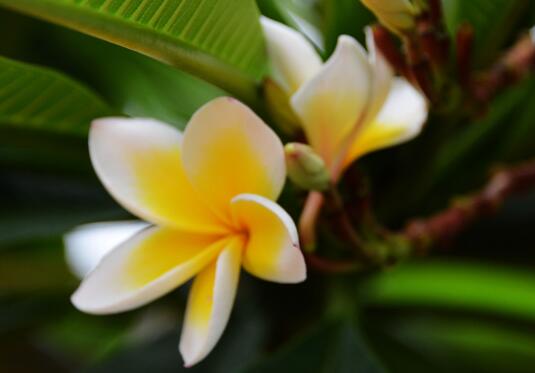
As for how to propagate plumeria, it can actually be divided into four propagation methods: seed sowing, cuttings, layering, and grafting. As long as you master the correct operation, the success rate of all four methods is fairly high. There is a detailed introduction in the section below on plumeria propagation methods, so let's keep reading.
II. Propagation methods for plumeria
1. Seed propagation
Among the propagation methods for plumeria, seed propagation is a relatively commonly used method. If sown in spring, it generally germinates in 8-12 days; if sown in summer, it can germinate in about 5 days. The suitable temperature for sowing is between 18-24°C, so you can control the temperature when sowing.
Notes: Before sowing, it is best to soak the seeds in water for about 3-5 days, as this is more conducive to plumeria germination. When watering after sowing, be sure not to cause waterlogging, otherwise germination will be very difficult. Remember these two points.
2. Cutting propagation
Among the propagation methods for plumeria, cutting propagation is also a method with a relatively high survival rate. Compared with seed propagation, cutting propagation is somewhat simpler: after selecting the cuttings, you can insert them directly, and generally about one month after successful cutting, they will take root.
Notes: When carrying out cutting propagation of plumeria, the most important thing to pay attention to is the selection of cuttings. It is best to choose branches that are relatively robust and free of pests and diseases, as this will give a very high survival rate. If you choose branches that already look rather thin and small, they will basically be very hard to keep alive.
3. Grafting propagation
When carrying out grafting propagation, we need to choose suitable scions and rootstocks for grafting. Grafting propagation counts as a relatively simple propagation method, and its survival rate is also relatively high, though compared with the two plumeria propagation methods above, it is used by relatively fewer people.
Notes: When preparing to carry out grafting propagation of plumeria, it is best to choose the two seasons of spring and autumn, because the climate in these two seasons is more suitable and can greatly increase the survival rate of grafting. Grafting on rainy days or windy days is strictly prohibited; grafting at such times is very difficult to keep alive.
4. Layering propagation
Layering propagation is one type of asexual propagation in plants. Among the propagation methods for plumeria, layering propagation is used by relatively fewer people, but this does not mean the survival rate of this method is low. As long as you master the correct method, the survival rate of layering propagation is likewise very high.
Notes: When carrying out layering propagation, note that you should first cut away 3-5 cun from the tip of the plumeria branch, and it is best to choose a sunny day for layering, as this will greatly increase the survival rate.
Plumeria propagation methods, 4 common propagation methods for plumeria
Plumeria is a sun-loving tree species that prefers high temperatures, humidity, and a sunny environment. But it can also grow in semi-shaded environments; however, in shaded environments the branches grow leggy, with few flowers or with leaves growing but no flowers; and yellow plumeria in a shaded, humid environment will grow aerial roots on its branches.
The soil suitable for planting plumeria is best a deep, fertile, well-drained, organic-rich acidic sandy loam; plants grown this way are robust, with a large number of flowers and vivid flower color. When the soil is poor and thin, plumeria grows and develops poorly, with small flowers and dull flower color.
Plumeria propagation method 1: Cutting propagationWhen propagating plumeria, you can use the relatively easy-to-root cutting method. When temperatures are relatively high, cuttings can be taken in all four seasons.
Choose thick, mature branches, cut them into branches about 20cm long, and carry out cutting after the wounds have dried in the shade. The cuttings are generally inserted into clean sandy soil. After cutting, spray water and keep the soil moist; generally they will take root in about one month. After rooting, they can be transplanted. In the early stage, shade treatment is needed, and afterward they can grow normally.
2. Layering propagationPlumeria can also be propagated by the layering method. Layering propagation is mainly carried out during the growing season, though compared with cuttings, it is still used relatively less.
3. Seed propagationPlumeria does bear fruit, but not very much. The fruit contains seeds, which can be used for sowing.
Sow the collected seeds, generally on a sand bed, keeping the germination temperature at 18℃——24℃. When sowing, cover with a layer of soil and water appropriately to keep the soil moist; germination is relatively fast. When the seedlings grow to 15cm, they can be transplanted.
4. Grafting propagationIf you want to carry out grafting propagation of plumeria, it is still relatively easy to operate, because its survival rate is relatively high. Generally, the best seasons for grafting are spring and autumn; winter and summer require certain conditions to be met.
When grafting, choose suitable rootstocks and scions for grafting, and take care to prevent rain and strong wind, so as not to affect the survival of the grafted seedlings.
Propagation methods for plumeria
The first method: cuttings
The cutting method for plumeria has a very high survival rate. Generally, select thick branches, divide them into several sections, let the white milky sap flowing from the branches dry, then insert them into the soil. During this period, ensure the soil stays moist, and finally just wait for the plumeria to take root.
The second method: layering
This means cutting and wounding branches close to the ground and pressing them into the soil, ensuring sufficient nutrients of all kinds, then waiting for them to take root. After rooting, separate the branch from the mother plant.
The third method: sowing
Plant the collected plumeria seeds into the soil, keep the soil moist, ensure sufficient nutrients of all kinds, then wait for them to take root, sprout, and grow into seedlings.
The fourth method: grafting
Select suitable rootstocks and scions, cut slanted incisions on both the rootstock and the branch, and make the two slanted incisions fit together. Bind the rootstock and branch together with the scion and seal them with plastic film. Then just wait for them to take root.
Alright, the above is the flower language and flowering period of plumeria. I hope the plumeria propagation methods provided by the editor can help you! Thank you!