What to Do When Plum Blossoms Get Bugs: Common Plum Blossom Diseases and Their Control / 3 Pests, 3 Diseases
The plum blossom is a fairly well-known plant in China, with a resolute character and very strong vitality, though pest and disease problems can still cause the plant to wither and die. What should you do when plum blossoms get bugs, and how should common plum blossom diseases be prevented and controlled? Let's take a look below.
I. What to Do When Plum Blossoms Get Bugs / Chemical Spraying
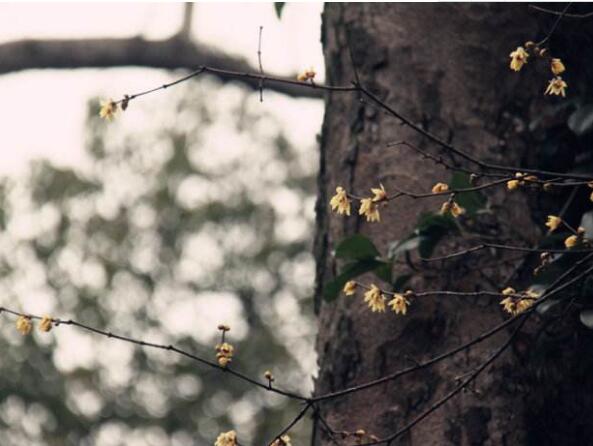
As for what to do when plum blossoms get bugs, we first need to know exactly which pest it is, then deal with it accordingly. Generally, the most direct method is to spray with the corresponding control agent. The specific pest control methods are given below for your reference.
1. Yellow-brown tent caterpillar pest
This pest is pale yellow in appearance, usually around 1.5 cm in size, and has a pair of brown wings; it looks a bit like a moth, only relatively smaller. It generally gnaws slowly on plum blossom leaves, and in the end can leave the whole plum blossom plant bare.
Control method: To deal with the yellow-brown tent caterpillar, we can spray it with a 2500 solution of 10% imidacloprid wettable powder, provided you find it first.
2. Slug moth pest
The slug moth is similar to the yellow-brown tent caterpillar in the damage it does to plum blossoms, as both gnaw on the leaves, and this venomous insect also carries many poisonous hairs on its body, posing great harm to humans as well, so it must be dealt with promptly when encountered.
Control method: When encountering this pest, it is best to deal with it as soon as it is found; if you are late and the leaves are eaten away, the loss will not be worth it. To kill it, we can choose a 1500-fold solution of 5% chlorfluazuron emulsifiable concentrate.
3. Peach red-necked longhorn beetle pest
This pest has a black body and looks somewhat like a cockroach, though relatively smaller, generally around 2.8-3.7 cm. It mainly harms the main trunk of the plum blossom; affected trunks show some reddish-brown insect frass, which you can watch out for.
Control method: To control this pest, we can directly choose a 3000-fold solution of 2.5% lambda-cyhalothrin emulsifiable concentrate to spray directly on the peach red-necked longhorn beetle, and simply disinfect the plant after spraying.
II. Common Plum Blossom Diseases and Their Control
1. Leaf curl disease
Leaf curl disease is one of the more common plum blossom diseases and control concerns. As the name suggests, this disease mainly harms plum blossom leaves, causing them to gradually shrivel and curl, and in severe cases causing a large number of leaves to drop.
Control method: When this disease appears, it must be controlled in the early stage; if it drags on too long, it becomes very hard to cure. We can choose a 1000-fold solution of 1.5% plant disease spirit emulsifiable concentrate to spray the plant for control.
2. Gummosis disease
Gummosis disease generally appears more easily when watering is improper, mainly harming the branches and trunk. In the early stage of the disease, some brown crystalline substances appear on the branches; if left untreated for a long time, it can cause the plum blossom to wither and die.
Control method: This disease is mainly caused by improper watering; you can refer to the article on plum blossom watering methods to avoid it. But if it appears, it needs to be controlled, and at this time we can use a 50-fold solution of 50% carbendazim wettable powder to smear on the affected area for control.
3. Crown gall disease
Crown gall disease is also called root cancer disease; it mainly harms the root and stem of the plum blossom. When the disease occurs, a tumor-like round object appears at the roots, small at first and gradually growing larger over time, and in severe cases it causes the plum blossom to die directly.
Control method: For this disease, we can use 402 diluted 300-400 times for root drenching, generally once every 7-10 days; after 2-3 times, this disease can basically be resolved.
What to Do When Camellia sasanqua Leaves Get Bugs: Pest and Disease Control for Camellia sasanqua / 4 Pests, 3 Diseases
As a combination of camellia and plum blossom, the beauty of Camellia sasanqua is beyond doubt; its beautiful leaves, gorgeous flower colors and enchanting fragrance make people adore it. However, for certain reasons, Camellia sasanqua can get bugs and fall ill, seriously affecting its ornamental value. So what should you do when Camellia sasanqua leaves get bugs? Below is a selection of Camellia sasanqua pest and disease control information from the editor; take a look!
I. What to Do When Camellia sasanqua Leaves Get Bugs: Identify the Pest
Camellia sasanqua has strong resistance, so it should be hard for it to get pests and diseases, but if you do not follow the Camellia sasanqua cultivation methods, it is quite normal for its leaves to get bugs. At this point you should not panic, but first identify the pest, then spray the corresponding treatment. Overall, Camellia sasanqua has 7 pests and diseases, including 4 pests and 3 diseases; for the specific symptoms and control methods, read on.
II. Pest and Disease Control for Camellia sasanqua
1. Aphids
An insect that attacks Camellia sasanqua, it parasitizes on the leaves and sucks the sap, mainly harming tender leaves and stems. Once aphids appear, they are packed densely and look quite frightening.
Control method: When there are only a few aphids, you can kill them manually, for example by picking them off with a needle or brushing them off with a tool like a brush; when there are many aphids, spray with a 1200-fold solution of 2.5% derris extract emulsifiable concentrate.
2. Slug moth
One of the pests and diseases of Camellia sasanqua, it generally occurs from June to October. The larvae of this insect feed on the lower epidermis and leaf flesh, and in severe cases gnaw away all but the upper epidermis; the adult slug moth is even more harmful, able to eat the leaves completely and leave only the main veins, seriously affecting the flower bud differentiation, blooming and ornamental value of Camellia sasanqua.
Control method: In the early stage, spray a 800-fold solution of 50% fenitrothion emulsifiable concentrate, or use a biological agent Bt aqueous solution diluted 1000 times and spray on cloudy days; the control effect is quite good. If it is winter, you can dig out the cocoons in the soil around the Camellia sasanqua, crush them, or knock the cocoons off the trunk.
3. Scale insects
Another pest of Camellia sasanqua, it mainly harms tender leaves and sucks the sap of the plant. Symptoms of infestation: the leaves of Camellia sasanqua change from green to grayish green and finally to yellow, which is also one of the reasons its leaves turn yellow; in severe cases, the branches and leaves are covered with scale insects, causing the entire plant to wither and die.
Control method: When there are few scale insects, wash them off with water, or wipe the diseased plant with white liquor, vinegar, alcohol, laundry detergent, etc., which has a certain effect; when there are many scale insects, use a 0.1% solution of 550% malathion and 40% dimethoate alternately for spraying, and results can be seen after several times.
4. Longhorn beetles
This pest is further divided into the tea longhorn beetle and the tea black tarsal-eyed longhorn beetle, both of which are pests harming Camellia sasanqua. The former mainly bores into and feeds on the roots and near-ground branches and trunk of Camellia sasanqua, while the latter damages the above-ground branches and trunk from bottom to top, causing the branches to swell and die.
Control method: After finding longhorn beetles, you can catch the adults manually, or spray with a 800-fold solution of 50% fenitrothion emulsifiable concentrate, or spray green weilei to kill the adults.
5. Anthracnose
This disease is one of the common diseases of Camellia sasanqua, generally occurring between June—July, mainly harming mature leaves. Symptoms: water-soaked greenish-brown lesions appear on the leaf margins and tips of Camellia sasanqua, later expanding into irregular large patches with a layer of small black dots arranged in a pattern that spreads across the whole leaf, finally causing Camellia sasanqua to drop its leaves.
Control method: When the above symptoms are found, promptly remove the diseased leaves and burn them to reduce the source of infection; in the early stage of the disease, spray 2-3 times with anthracnose fumet or 75% chlorothalonil diluted 600 times, or during the bud sprouting and leaf unfolding stage spray 1-2 times with a 600-fold solution of 12% green copper emulsifiable concentrate.
6. Leaf spot disease
One of the main diseases of Camellia sasanqua, in environments with high temperature, high humidity and poor ventilation, its leaves are very easily infected with leaf spot disease. Symptoms: pale yellow and red-yellow spots appear on the leaves, later expanding into round or oval shapes.
Control method: When the above symptoms occur and a small number of diseased leaves are found, they should be promptly removed and burned to reduce the source of infection; when the disease is severe, you can use a 1000-1500-fold solution of emulsifiable concentrate for control, spraying 2-3 times every 7-15 days at 25%, and results can be seen after several times.
7. Sooty mold disease
One of the pests and diseases of Camellia sasanqua, it generally occurs in environments with high temperature, high humidity and poor ventilation. Symptoms: the leaves and branches of Camellia sasanqua are covered with a layer of black soot-like substance, affecting the photosynthesis and respiration of the leaves and causing poor growth and early leaf drop.
Control method: When the above symptoms are found, spray alternately with a 600-fold solution of 50% carbendazim or a 600-fold solution of 70% mancozeb, and the effect can be seen after 2-3 times.
How to Control Pests of Plum Blossoms
Common pests of plum blossoms include the plum caterpillar, aphids, scale insects, the Japanese wax scale, cicadas, and the large bagworm moth.
(1) Plum caterpillar.The plum caterpillar has a blue-gray head with two black spots, a yellow-white dorsal line on its back, 2 yellow stripes on each side of its body, and many long yellow-white hairs on its body, generally about 5 cm long. The larvae of this insect often spin silk on small branches, forming a gray-white tent-like nest, and feed on the new buds and tender leaves of plum blossoms; after growing up they disperse over the whole plant and devour the leaves, and in severe cases the leaves can be completely eaten.
Control method:Spray 1000-fold fenitrothion to kill it when the insect is young.
(2) Aphids.Aphids mainly harm tender stems and tender leaves, gathering in dense clusters and sucking plant nutrients; the affected parts often show sticky liquid, causing the leaves to change color, shrivel, curl back and wither, and in severe cases can cause the entire plant to die.
Control method:Spray a 1000-fold aqueous solution of 40% omethoate, or spray a solution of 80% dichlorvos plus 2000 times water; spray 2-3 times to eliminate them.
(3) Scale insects.Scale insects are also called shell insects or globular scale insects; the adult body is nearly spherical. At first the scale is soft and yellow-brown, later turning black-brown, and the body surface has many horizontal stripes alternating yellow-white and black-brown. They often begin activity in early spring, sucking the sap of the plant. The affected plant's leaves turn yellow, wither and drop. At the same time, the sugary liquid excreted by the scale insects can also induce other diseases, affecting plant growth and bud formation and blooming.
Control method:Manual scraping and chemical spraying can be used together: for chemicals, spray a solution of 80% dichlorvos emulsifiable concentrate plus 1500 times water, or spray a solution of 60% wettable dimethoate powder plus 1200 times water.
(4) Japanese wax scale.This insect can harm dozens of ornamental flowers; its nymphs and females suck sap on the leaves and branches, often causing the plant's leaves to wither and yellow or leading to an outbreak of sooty mold. In the Yangtze River basin, the females lay a large number of eggs in mid-May and hatch in mid-June. Male adults pupate and emerge in large numbers from late August to early September. This insect can be spread to other places along with the transport of infested seedlings.
Control methods: (1) If a small number of plants are affected, they can be scraped off the branches and trunk manually. (2) After the nymphs hatch in large numbers, spray with a 1500-fold solution of 40% omethoate emulsifiable concentrate, or a 1500-fold solution of 50% fenitrothion emulsifiable concentrate for control, with good results. (3) Use the red-spotted ladybird beetle, placing it on the affected flowers and trees to prey on the scale insects. (4) When introducing seedlings, inspect carefully; if parasitic larvae are found, they should be thoroughly scraped off.
(5) Cicadas.This insect can harm plum blossoms, osmanthus and many other ornamental flowers. Its nymphs suck sap from the roots in the soil, and the adults are even more harmful, often causing branches to wither and die.
Control methods: ①Pay attention to searching for and killing newly emerged nymphs and newly emerged adults. ② On hot nights, you can light a fire near the trunk; at the same time shake the branches so the insects throw themselves into the fire, and kill the insects that fall beside the fire. ③ Put sticky gluten washed out of dough on the tip of a bamboo pole to stick and catch the adults. ④ In the season of most severe damage, promptly prune off and burn the egg-laying branches.
(6) Large bagworm moth.This insect is also called the debt-avoiding insect, popularly known as the “hanged ghost.” It is a pest that harms many ornamental flowers. When this insect appears on a plant, you can see leaves eaten into holes or notches by its larvae, and it can even eat all the leaves on the branches, leaving only the veins; the damage is severe.
Control method:① The protective bag of the large bagworm moth is fairly obvious and can be removed at any time to eliminate its larvae. ② In mid-July, spray with a 1000-fold solution of 90% trichlorfon original powder or a 1500-fold solution of 80% dichlorvos emulsifiable concentrate for control, with good results.