-
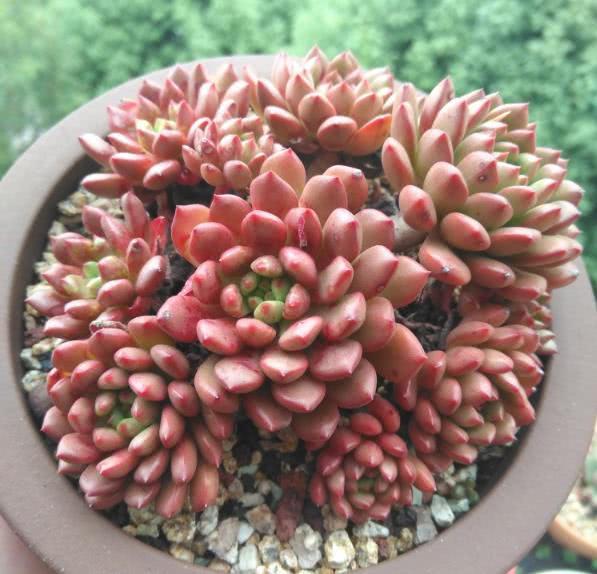
Are black rot and root rot in succulents related to the soil? Take good care of them in daily maintenance
When pests are rampant in the soil, the root system may also be completely destroyed, and over time this will also cause succulents to rot. Fertilizing too heavily, or fertilizer mixed with incompletely decomposed organic matter, can cause "root burn" after application and also lead to plant rot...
-
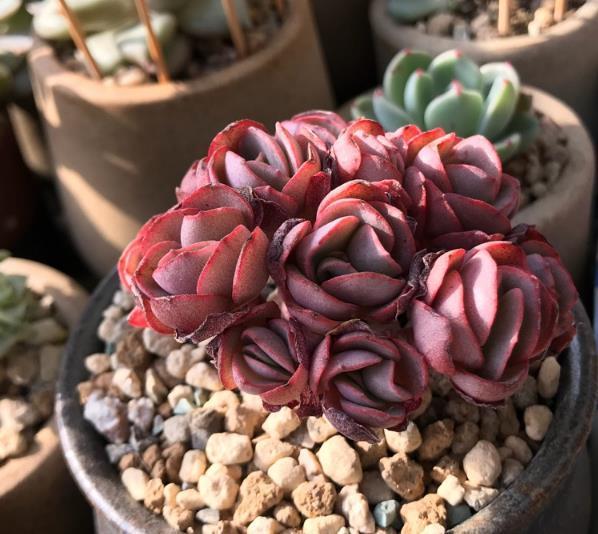
How to rescue a succulent that has developed black rot after being rained on for several days in a row?
Giving succulents several days of rain in summer takes real courage. Summer brings high temperatures along with dampness, and succulents themselves need to be kept on the dry side. Even succulents grown outdoors will do anything to avoid this kind of rain, so black rot is only to be expected...
-
Control Methods for Black Spot Disease and Rust Spot Disease in Enoki Mushrooms
What to do when enoki mushrooms develop black spot disease and rust spot disease? Please advise. 1. Black spot disease: a bacterial disease caused by Pseudomonas bacteria. After infection, oval brown or dark brown spots appear on the caps of enoki mushrooms, initially needle-tip sized, expanding to 2-4 mm in diameter, with neat edges, and sometimes the caps crack. Control methods...
-
What are the control methods for the tea black spiny whitefly?
How to control the tea black spiny whitefly? Please advise. The tea black spiny whitefly causes obvious damage to the tender buds and tender leaves of tea. Generally, what is found causing damage on tea garden leaves is the nymph of the tea black spiny whitefly, and most tea farmers do not recognize the adult of the tea black spiny whitefly. The feeding damage of large numbers of adults directly affects the quality and yield of tea processing. ...
-
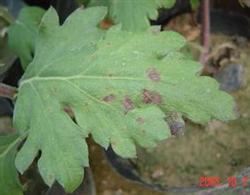
What are the control methods for black spot disease in chrysanthemums?
How do you control black spot disease in chrysanthemums? Please note that the pathogen is Septoria chrysanthemella. Also known as brown spot and leaf blotch. It is a serious disease of chrysanthemums and occurs everywhere. Symptom characteristics: on infected leaves, purplish-brown spots of round, oval or irregular shape and varying size first appear, and later...
-
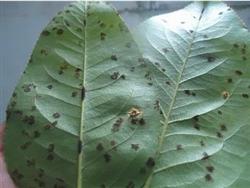
What are the control methods for black spot disease in roses?
How to control black spot disease in roses? Please help guide. Black spot disease is most prevalent in Beijing in summer and autumn. On the leaves of diseased rose plants, dark brown spots 3-4 mm in diameter appear, surrounded by yellow halos, and the leaves fall off. When the disease is severe, only the branches and infected young buds remain on the rose plant. 2. Early prevention...
-
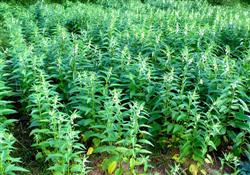
What are the key points for summer planting management of black sesame?
What are the main summer management practices for planting black sesame? Please give an introduction. For summer management of planting black sesame, you can refer to the following points: First, thin the seedlings in time and check for and fill in gaps: because sesame seeds are small and germinate in large numbers, when the first pair of true leaves appears after emergence, the seedlings should be thinned; when 2 to 3 pairs of true leaves have grown, the seedlings should be thinned further, and when 4 pairs of true leaves appear, the seedlings should be finalized, ...
-
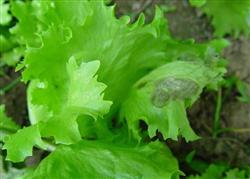
Lettuce Cultivation: How to Prevent and Control Lettuce Brown Spot and Black Spot?
Last year, brown spot and black spot were found in lettuce cultivation. How to prevent and control lettuce brown spot and black spot? Are there any netizens' guidance methods to prevent and control the harm of brown spot and black spot to lettuce: Both lettuce brown spot and black spot mainly damage the leaves. Lettuce leaves harmed by brown spot show two types of symptoms: one...
-
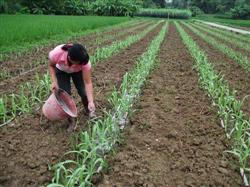
How should black-skinned sugarcane be managed for good cultivation?
How do you manage black-skinned sugarcane well? Please introduce good management methods for growing fruit sugarcane. After years of trial and cultivation, the following fruit sugarcane cultivation and management methods have been summarized for reference: timely fertilization. After emergence, fertilize together with the first weeding; during the second field growth period, apply diluted fertilizer together with each hilling; the third time, apply foliar fertilizer and balanced fertilizer at the appropriate time. Each time you fertilize, add New High-Lipid Film, which can greatly increase the availability rate of the fertilizer's limited nutrients.
-
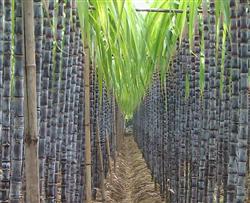
How do you prevent and control pests and diseases when growing black-skinned sugarcane?
How do you prevent and control pests and diseases when growing black-skinned sugarcane? Please introduce the prevention and control methods for various pests and diseases. Black-skinned sugarcane is also called fruit sugarcane (chewing cane) or edible fleshy cane. It belongs to the grass family, genus Saccharum. It originated in the tropics and subtropics. It has high requirements for light, heat and water. It is not tolerant of cold, drought or shade, and is suitable for planting in areas below 800 m in altitude...
条件筛选