How should black-skinned sugarcane be managed for good cultivation?
How do you manage black-skinned sugarcane well? Please introduce good management methods for growing fruit sugarcane. After years of trial and cultivation, the following fruit sugarcane cultivation and management methods have been summarized for reference: timely fertilization. After emergence, fertilize together with the first weeding; during the second field growth period, apply diluted fertilizer together with each hilling; the third time, apply foliar fertilizer and balanced fertilizer at the appropriate time. Each time you fertilize, add New High-Lipid Film, which can greatly increase the availability rate of the fertilizer's limited nutrients.
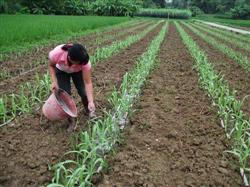 How do you manage black-skinned sugarcane well? Please introduce good management methods for growing fruit sugarcane
After years of trial and cultivation, the following fruit sugarcane cultivation and management methods have been summarized for reference:
Timely fertilization
After emergence, fertilize together with the first weeding; during the second field growth period, apply diluted fertilizer together with each hilling; the third time, apply foliar fertilizer and balanced fertilizer at the appropriate time. Each time you fertilize, add New High-Lipid Film, which can greatly increase the availability rate of the fertilizer's limited nutrients.
Hilling and seedling setting
Generally, hilling should be done 3~4 times each year, with an interval of about 30 days each time. At the same time, combined with hilling, set seedlings at the appropriate time, and spray New High-Lipid Film at the appropriate time. On the plant surface, it can prevent pathogen infection, improve resistance to natural disasters, increase photosynthetic intensity, and protect the seedlings so they grow vigorously.
Reasonable irrigation
Fruit sugarcane has a high water requirement, so timely irrigation should be noted, but flooding irrigation should be avoided. Light irrigation is recommended, keeping the soil alternately dry and moist, mainly moist. Spray Zhuangjingling at the appropriate time, which can make the stems thick and strong, the leaves thick, the color fresh and tender, the plants luxuriant, and the natural taste rich. At the same time, it can improve disaster resistance, reduce the use of pesticides and chemical fertilizers, and lower residual toxicity.
Peeling off leaf sheaths
After the sugarcane stalks elongate, begin peeling leaves, 3~4 leaves each time. Peeling too many leaves affects plant growth, and not peeling in time affects wax formation.
How is hybridization carried out
In sugarcane hybridization, the fertility of the pollen in the panicle must first be checked. Parents with well-developed pollen are generally used as the male parent, and parents with poorly developed pollen are generally used as the female parent. Before hybridization, the female parent must also be emasculated to avoid selfing; during hybridization, the male parent should be placed above the female parent, so that the male parent's pollen easily falls onto the female parent's stigma, making hybridization easier to succeed; because air flows, sugarcane pollen drifts easily. To avoid pollen contamination from other male parents, before hybrid pollination a special "new room" must be made for the "groom" and "bride" using dense but breathable white cloth; sugarcane hybridization generally takes 7 days. To increase the fertilization rate, from 9 to 11 a.m. each day, the male parent also needs to be shaken manually so that pollen falls onto the female parent's stigma, thereby increasing the success rate of hybridization. Commonly used hybridization methods include two types: the sulfurous acid method and the high-pressure method.
Cultivating sugarcane seedlings
Sugarcane seeds are tiny and contain few nutrients, so they cannot be sown directly in the field; they must first be raised as seedlings. The sowing soil should be loose, fertile, and disinfected to kill soil pathogens and weed seeds. When sowing, it is generally best to control it to 150 seedlings in a 30 x 30 cm hotbed. After sowing, cover thinly with fine soil, water until thoroughly wet, and cover with plastic film to keep warm and retain moisture. In terms of management, on the second day after sowing, the indoor temperature should be kept between 30°C and 36°C. After the seeds begin to sprout, the indoor temperature should be kept between 25°C and 30°C. Germination is basically complete about 10 days after sowing. To keep the soil moist, spray water once each morning and afternoon during the seedling stage. When the seedlings are 6~10 cm tall and have 3~5 true leaves, they can be pricked out. The methods of pricking out are generally nutrient tray pricking out and seedbed pricking out. When pricking out, the seedlings should be kept with soil, the leaf tips of the seedlings should be cut off, and after planting, water thoroughly to settle the roots, so as to increase the survival rate. After the seedlings have been pricked out for 25~30 days, when tillering appears and the root system is relatively developed, they can be transplanted to the field on a cloudy or rainy day.
Click to get more sugarcane cultivation techniques
Click to get more fruit cultivation techniques