-
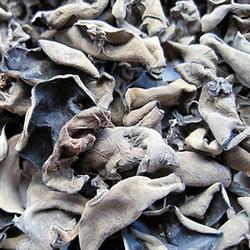
Detailed Explanation of the Biological Characteristics and High-Yield Cultivation Techniques of Black Wood Ear Mushroom
Timely harvesting: Regardless of whether it is spring, summer, or autumn wood ear, it should be harvested after the rain has passed and the sky has cleared, once the ear pieces have dried slightly. If the weather is dry, evenly sprinkle some water on the evening before harvest, and harvest the next morning after the dew has dried; wood ear harvested this way is less likely to break. If there is continuous rainy weather, it must still be harvested to avoid streaming ear. Gene...
-
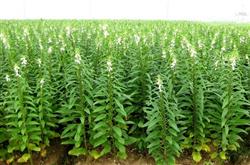
How to grow black sesame for high yield? Detailed explanation of cultivation techniques
How can black sesame be grown for high yield? Please give an introduction. There are many varieties of black sesame, and "Zhongzhi No. 9", bred by the Oil Crops Research Institute of the Chinese Academy of Agricultural Sciences, is the primary variety. This variety is of the branching type, and its yield per 667 sq m (mu) can reach 58.33 kg. The growth period for summer sowing is 95 days. The seed coat is jet black, and the 1000-grain weight is 2.63 g. Oil content...
-
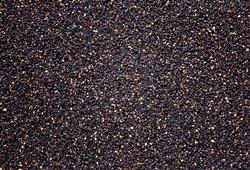
How to grow black sesame for high yield? Key points of planting techniques
How can black sesame be grown for high yield? Please advise on the method. To grow black sesame for high yield, you can refer to the following planting methods: 1. Seed dressing with chemicals, crop rotation, and early sowing while preserving soil moisture. Before sowing, you can use 8 grams of 50% carbendazim wettable powder or 40% carbendazim suspension concentrate, add 0.5 kg of water to make a paste, and mix well with 0.5 kg of seeds before sowing. Sesame...
-
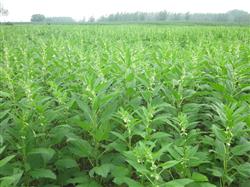
How can black sesame be cultivated to achieve high yields?
How can black sesame be cultivated for high yields? Please provide guidance. For black sesame cultivation methods, you can refer to the following planting methods: 1. Land preparation and fertilization. Choose a field with high terrain and good drainage, plough and harrow carefully, and apply sufficient base fertilizer in combination with land preparation: apply 10 kg of urea and 50 kg of phosphate and potassium fertilizer per 667 sq m. Level and harrow until fine, then wait...
-
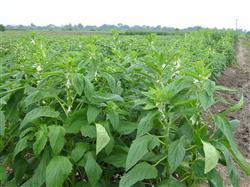
What are the key technical points for summer management of black sesame?
How should black sesame be managed in summer? Please give guidance. The summer management methods for black sesame can refer to the following: First, thinning and final thinning of seedlings, checking seedlings and filling gaps. Because sesame seeds are small and many seedlings emerge, after emergence, when the first pair of true leaves grows, the seedlings should be thinned; when 2-3 pairs of true leaves grow, the seedlings should be thinned again; at 4 pairs of true leaves, the seedlings should be finally thinned. Black sesame generally leaves about 8,000 plants per mu; if seedling gaps or broken rows occur due to poor soil moisture at sowing, transplanting dense seedlings to fill sparse areas or replanting after sprouting can be used to ensure full and strong seedlings.
-
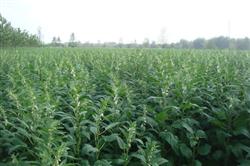
What to pay attention to when planting black sesame
What should be noted when planting black sesame? Please give guidance. When planting black sesame, pay attention to the following issues: 1. Land preparation and fertilization: choose sandy loam or loam fields with loose soil, good air permeability, and medium-to-above-average fertility, and avoid continuous cropping. At the end of May and beginning of June, prepare the land and apply fertilizer, applying 10-15 kg of urea or 20-25 kg of ammonium bicarbonate per mu...
-
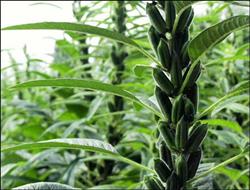
What should be paid attention to when planting black sesame?
What should be paid attention to when planting black sesame? Please give guidance. When planting black sesame, pay attention to the following points: 1. Land preparation and fertilization: choose sandy loam or loam fields with loose soil, good air permeability, and medium-to-above-average fertility, and avoid continuous cropping. Prepare the land and fertilize at the end of May and early June, applying 10-15 kg of urea or 20-2... per mu.
-
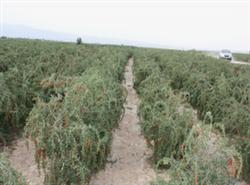
Control Methods and Key Technical Points for Black Fruit Disease of Goji (Lycium barbarum)
Goji root rot is widespread and causes serious damage. Plants killed by the disease account for 3%-5% each year, causing great losses to goji production. According to research by Lu Zhankui and others at the Ningxia Academy of Agriculture and Forestry Sciences, root rot symptoms fall into the following two types: (1) Root decay type. Roots or the root crown show varying degrees of decay and peeling, and the stem...
-
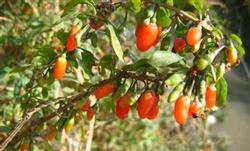
How to prevent and control wolfberry black fruit disease? These methods are very practical
Wolfberry black fruit disease damages the green fruit, flowers and buds of wolfberry, and also damages young shoots and leaves. From the early fruiting stage in early May to the late fruiting stage in mid-October, wolfberry can be infected by this disease. From May to June, when the daily average temperature is above 17°C, the relative humidity is around 60%, and there are 2~3 rainy days per ten-day period, the disease can occur in the field. From July to September, when the daily average temper...
-
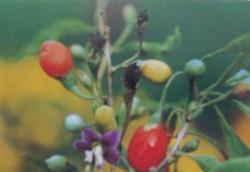
Control Methods and Technical Key Points for Black Fruit Disease of Goji Berry
Black fruit disease is one of the major diseases of goji berry (Lycium barbarum). The pathogen damages the green fruit, flowers and buds of goji berry, and also damages young shoots and leaves. After the green fruit of goji berry is infected, small black spots or black patches or black net-like patterns begin to appear. On cloudy and rainy days, the lesions expand rapidly, turning the fruit black and producing orange-red conidial masses, making it unfit for medicinal use. ...
条件筛选