-
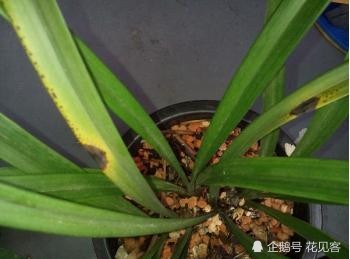
Growing orchids in the hot summer, beware of black spot disease, prevent it in time and don't neglect it
Orchid leaves stay fresh green all year round, with graceful forms, and their fragrance is clear rather than heavy, giving them extremely high ornamental value; for thousands of years they have been deeply loved by many flower growers. To grow orchids you must understand them. It is now the hot summer, and orchids will show various ailments, and the more common...
-
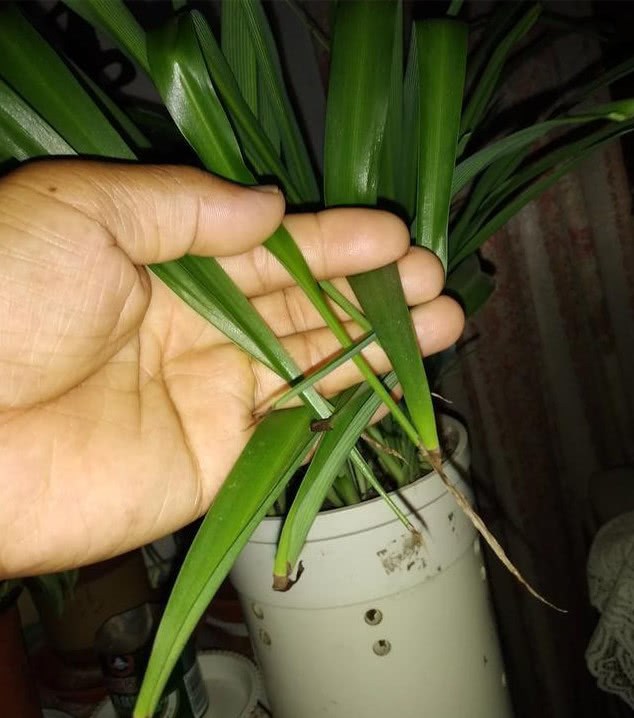
Spider plant black leaf tips: what to do? With the right method, growing spider plants well is very easy
Spider plant black leaf tips: small methods are essential; used properly, growing spider plants well is very easy. What causes black tips on spider plants and how to prevent and treat them? Black tips on spider plants are one of the most common situations in home care. In our care process, if you...
-
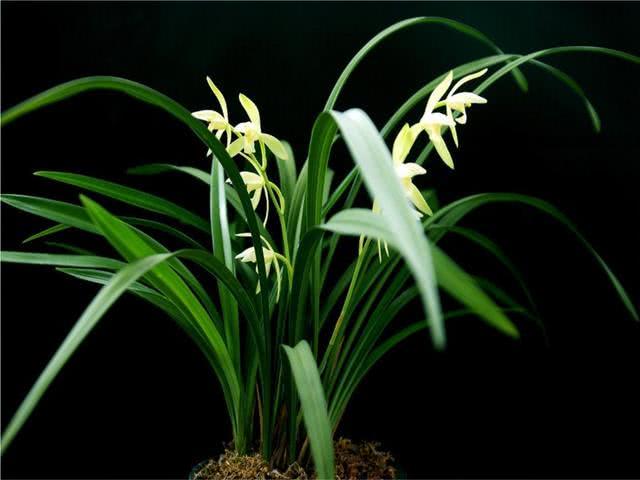
Why Do Orchid Leaves Turn Yellow and Black? Causes and Prevention Methods
Orchid diseases occur throughout all four seasons, especially in summer when humidity is high and temperatures are high. It is the peak growing season for orchids, and also the season when orchid pests and diseases break out most frequently. At the same time, it is the most distressing season for us orchid lovers. A little carelessness or...
-
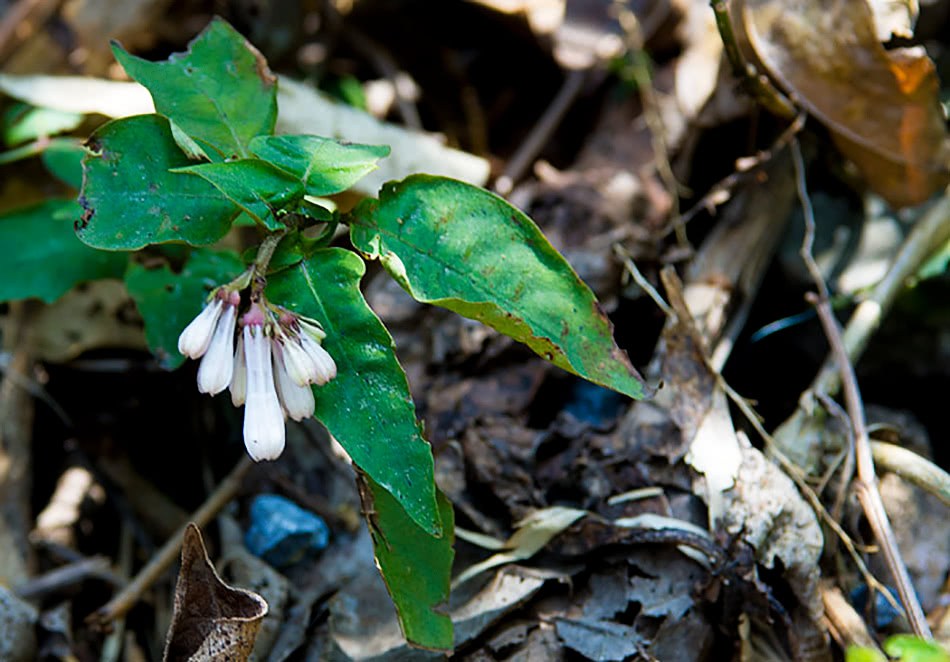
The wild grass in the mountains is commonly known as "Wuqiangtou" (Black Spearhead), growing where snakes appear, and snakes fear it at the sight of it.
Nowadays, most areas are quite hot in summer, but in some regions of southern China, summers are rather hot and humid, such as in the mountainous areas of Sichuan, western Hubei, Guizhou, and Yunnan, and thus when summer arrives in these areas...
-
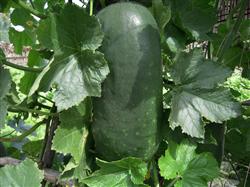
What are the cultivation and management methods for black-skinned winter melon?
How do you manage the cultivation of black-skinned winter melon? What are the special points to note? For growing black-skinned winter melon, you can refer to the following methods for management: Fertilizing: After planting, fertilize once every 7 to 10 days on sunny days (10% to 15% human manure and urine, or 0.5% to 1% urea), applying lightly in the early stage and heavily in the later stage. The key topdressing for winter melon...
-
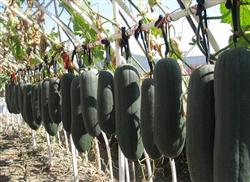
How can you grow black-skinned winter melon (wax gourd) for high yields?
How can you grow black-skinned winter melon for high yields? Is there a detailed growing method? To achieve high yields when growing black-skinned winter melon, you can refer to the following methods: 1. Sowing and raising seedlings. 1. Seed treatment. Because winter melon seeds have a relatively thick seed coat and do not absorb water easily, they should be soaked to promote germination and disinfected before sowing. Soak the seeds in a 250-fold dilution of 50% carbendazim for 20 minutes. After disinfection, wash the seeds with clean water, then soak them for 5-6 hours, remove them and promote germination. The germination temperature should be about 30°C.
-
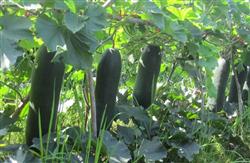
What are the cultivation methods for black-skinned winter melon?
How do you grow black-skinned winter melon well? Is there detailed technology to refer to? Black-skinned winter melon likes warmth and tolerates heat, with an optimum growing temperature of 22-28°C. Winter melon is not strict about light; if seedlings are kept at around 16°C with 11 hours of sunlight, they flower early and the female flower nodes are low. Winter melon has a well-developed root system and strong absorption capacity...
-
What are the methods to prevent black-skinned winter melon from cracking?
What methods can prevent black-skinned winter melon from cracking? Which methods are the most effective? To prevent black-skinned winter melon from cracking, you can refer to the following methods: (1) Choose crack-resistant varieties; (2) In rainy areas or rainy seasons, use deep furrows with high beds or ridge-based trellis cultivation; (3) Apply more organic fertilizer to increase the soil's permeability and water-holding capacity, so that the soil supplies water evenly, promoting vigorous plant growth, and prune promptly so that the fruit develops normally;
-
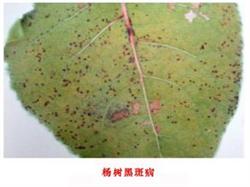
Detailed Explanation of Prevention and Control Methods and Occurrence Patterns of Poplar Black Spot Disease
Poplar black spot disease, also known as poplar brown spot disease, generally occurs on young leaves, tender shoots and fruit clusters, spreading from top to bottom, mainly damaging leaves. In the early stage of the disease, needle-like sunken shiny small spots first appear on the underside of leaves, then the lesions expand to about 1 mm, black, slightly raised, and brown spots also appear on the upper side of the leaves, 5-6 days...
-
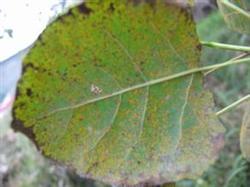
Identification and Control Methods of Poplar Black Spot Disease Explained in Detail
Poplar black spot disease, also known as poplar brown spot disease, is caused by a pathogen that can infect many species of poplar. Seedlings, young trees and mature trees can all be affected. When the disease is severe, it affects the normal growth of the trees and causes economic losses. Symptoms: it generally occurs on young leaves, shoot tips and fruit clusters, spreading from top to bottom, mainly damaging leaves. When the disease starts...
条件筛选