-
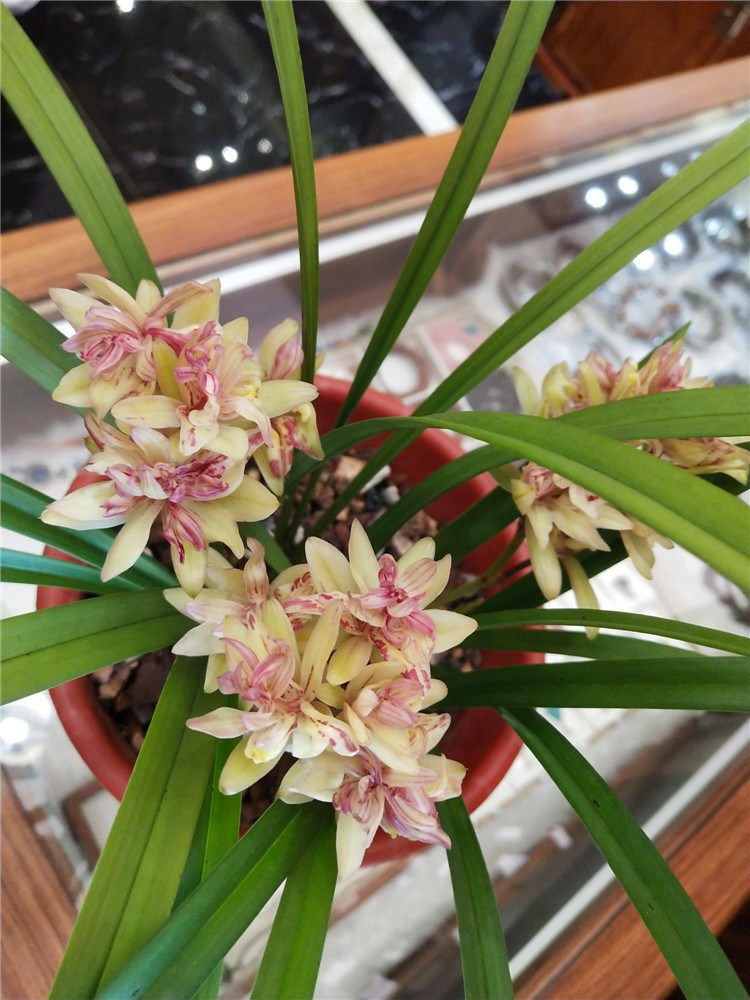
Use 1 kind of material for growing orchids, root rot and black rot all go away, and they grow more and more beautiful
Many orchid owners know this: growing orchids means growing roots. Orchid roots are different from those of other flowers. Don't be fooled by how white, plump and thick they look, because they are actually very fragile fleshy roots. This little gardener has seen many orchid growers' "painful" ex...
-
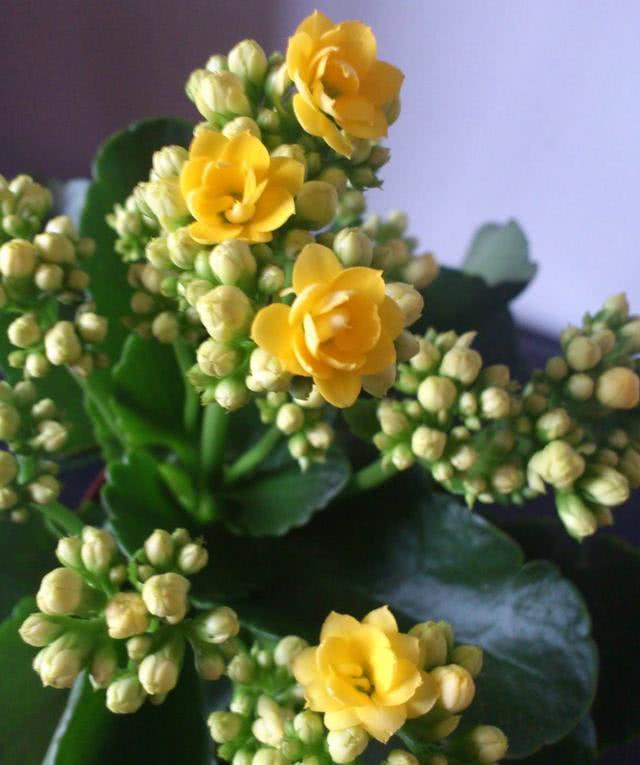
Causes and Solutions for Soft, Reddened Leaves with Black Spots on Kalanchoe
Kalanchoe (Kalanchoe blossfeldiana) buds in autumn each year and blooms in winter and spring, with a flowering period that can last as long as half a year, so it is deeply loved by the gardening public. Compared with flowers such as azaleas and gardenias, kalanchoe is relatively easy to grow, but there are still flower lovers who, during the growing process...
-
"Five Measures" for Effectively Controlling Black Head Disease in Enoki Mushrooms
Black head disease, also known as bacterial brown blotch disease, is caused by a Pseudomonas bacterium belonging to the phylum Schizomycophyta and the class Schizomycetes. The pathogen is rod-shaped, forms white colonies, and shows a negative reaction to Gram staining. 1. Conditions for occurrence: The internal cause of this disease is the variety's lack of disease resistance, while the external causes are high temperature, high humidity, or spraying unclean...
-
Hanging Bag Cultivation of Black Fungus (Wood Ear) and Stropharia rugosoannulata in a Multi-Layered Three-Dimensional Setup Doubles Returns
Distiller's grains are an excellent substrate for cultivating edible fungi. Their nutrient composition suits the growth of Stropharia rugosoannulata mycelium, and using them can both lower the production cost of Stropharia rugosoannulata and prevent environmental pollution. Distiller's grains contain a small amount of ethanol and active yeast that are harmful to mycelial growth, and they are highly acidic, with a pH of 3-5. Therefore, fresh distiller's grains should be selected...
-
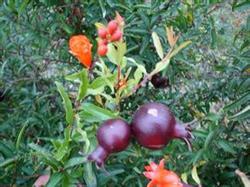
How to grow black pomegranate in pots?
How to grow black pomegranate in pots? Please advise. The black pomegranate is a variety of the dwarf pomegranate (Punica granatum var. nana); the plant is short, naturally growing no more than 1 m, and usually reaching 25 cm, at which point pinching can control it and bring it into flower and fruit. The plant is dense and small, and is purple-black. The leaves are short and lanceolate, opposite. The flowers are red, and when ripe the fruit rind is purple-black, very lovely. Because it loves to grow, four...
-
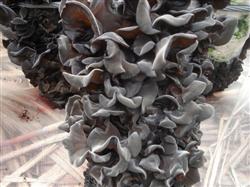
Key Technical Points for High-Quality, High-Yield Cultivation of Wood Ear Mushroom (Black Fungus) on Sawdust Bags
The wood ear mushroom (Auricularia auricula-judae) is a precious native specialty product and a traditional export product of China, and it is also one of the main artificially cultivated edible fungi in China, ranking first in the world in both yield and quality. China's wood ear-producing regions are widely distributed, and because of its low production cost, short cycle and quick returns, it is deeply welcomed by the vast number of mushroom growers. Taking bag cultivation as an example...
-

How should black sugarcane be fertilized to achieve high yield?
How should black sugarcane be fertilized to achieve high yield? Please advise. Black-skinned chewing cane has entered the late growth stage and has basically stopped growing, and many growers think that further fertilization is useless. Actually, this is not the case. During the late growth stage, black-skinned chewing cane is in the most important period for accumulating sugar. According to surveys, applying tail-strengthening fertilizer in time during the late growth stage of black-skinned chewing cane, keeping the leaves dark green, and preventing the cane tail from becoming smaller can increase yield by about 15%. Therefore, the tail-strengthening fertilizer for black-skinned chewing cane should be applied in time. The specific application method is as follows:
-
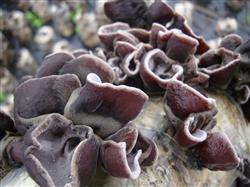
Detailed Explanation of Straw Cultivation Methods and Techniques for Black Wood Ear Mushroom
After the autumn harvest, rural areas have a large surplus of straw, and it is a great pity to throw it away. Using straw to cultivate black wood ear mushroom works very well, and it is also a path to wealth for farmer friends. Practice shows that generally every 100 kg of straw can yield more than 10 kg of dried black wood ear mushroom, and high-yielding batches can bring a net income of more than 200 yuan from this. Straw cultivation of black wood ear mushroom uses...
-
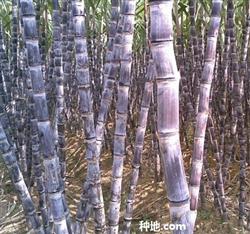
Control Methods for Mosaic Virus Disease in Black-Skinned Chewing Cane
How should black-skinned sugarcane be given micronutrient fertilizers? Please advise. A major reason for the low yield and poor quality of continuous cropping of chewing cane is the lack of medium and trace elements such as magnesium, silicon, calcium, zinc, boron, iron, molybdenum and manganese in the soil, resulting in an insufficient supply of medium and trace elements, which causes poor growth of chewing cane, not only stunted plants and shortened internodes...
-
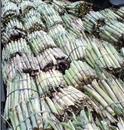
What are the precautions for keeping black-skinned chewing cane as seed cane over winter?
What should be noted when keeping black-skinned chewing cane as seed cane over winter? Please advise: for black-skinned chewing cane kept as seed cane, in winter it is advisable to apply a heavy dose of potassium fertilizer, so as to raise the plant's nutritional level and the potassium content of the part kept as seed cane. Only in this way can the cold resistance and overwintering ability of the seed cane be strengthened, making the cane buds plump, so that after next spring they sprout early, sprout quickly, sprout...
条件筛选