-
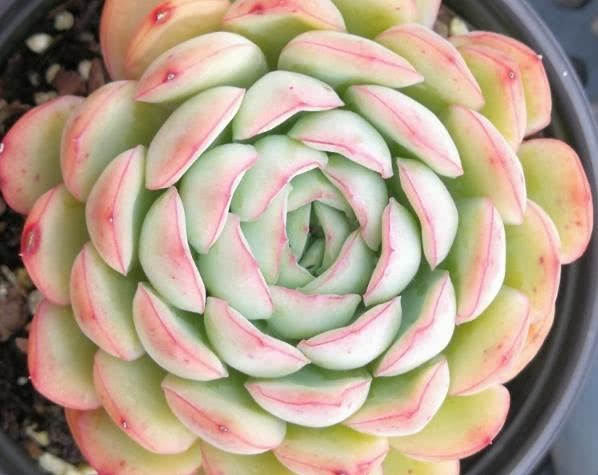
What to Do When Succulent Leaves Wither and Turn Black? Take the Right Measures to Restore Health
Black rot and decay are among the most common diseases in succulents, usually caused by fungal infections resulting from overwatering or an overly humid growing environment. Most succulents grow in desert climates and are adapted to extremely arid growing...
-
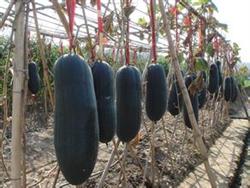
Detailed Guide to Cultivation Techniques for Guangdong Black-Skin Wax Gourd
I. Wax gourd belongs to the Cucurbitaceae family and the genus Benincasa, an annual climbing herbaceous plant. Its root system is strong, with well-developed fibrous roots, reaching a depth of 50-100 cm and a width of 150-200 cm; the root system has strong absorption capacity and readily produces adventitious roots; the leaves are alternate, broad and large, palmate, with 5-7 shallow lobes, green, with hairs on both the upper and lower surfaces, 30-35 cm wide...
-
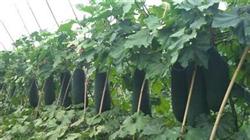
Detailed Explanation of Key Cultivation Techniques for Black-Skinned Winter Melon
Black-skinned winter melon is elongated and cylindrical, with a dark green skin and longitudinal grooves when fully mature. The fruit is 60-80 cm long with a transverse diameter of 15-25 cm. The flesh is white, 5-6 cm thick, and a single fruit weighs 8-15 kg. The yield per mu is 4000-5000 kg, and the entire growing period is 160-180 days. This variety is drought-tolerant, heat-tolerant, storage-tolerant, and transport-tolerant. It has a long supply period and a refreshing...
-
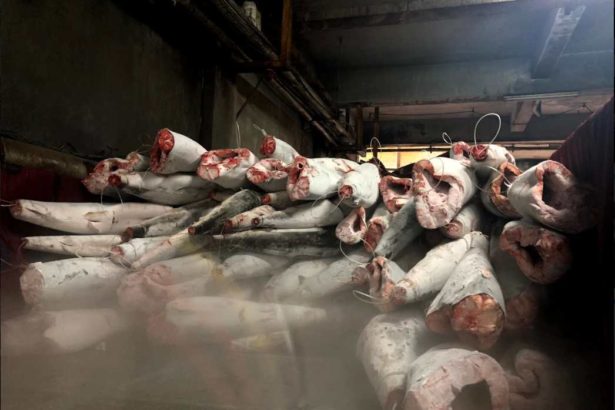
Fisheries Agency Raids and Seizes 30 Tons of Illegally Caught Prohibited Black Sharks, Maximum Fine of 10 Million
Fisheries Agency Raid! 30 Tons of Illegally Caught Prohibited Black Sharks Seized, Maximum Fine of 10 Million
-
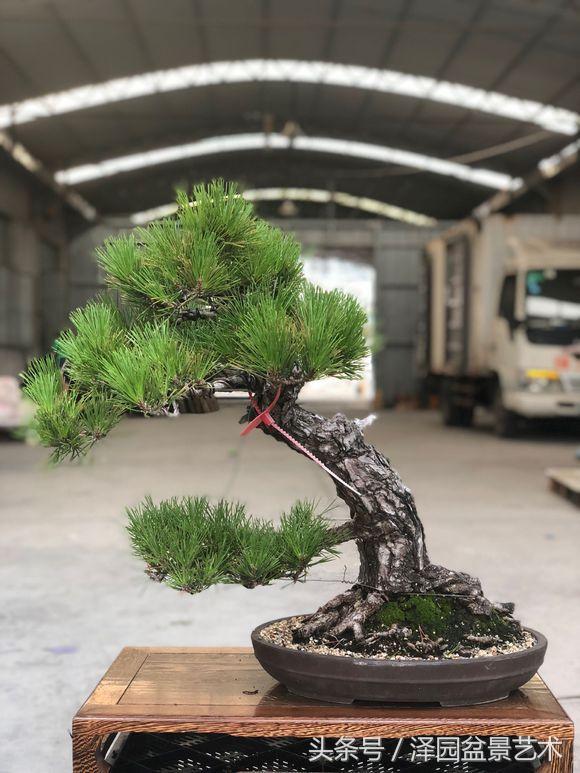
What does a Japanese black pine bonsai with years of cultivation look like?
Did you like this article? Share it right away so more people can know about it! The content on this site is rich and comprehensive, broad and profound. The editors select the hottest news every day and update it at any time. Click "Be the first to receive the latest news" to browse! Please continue...
-
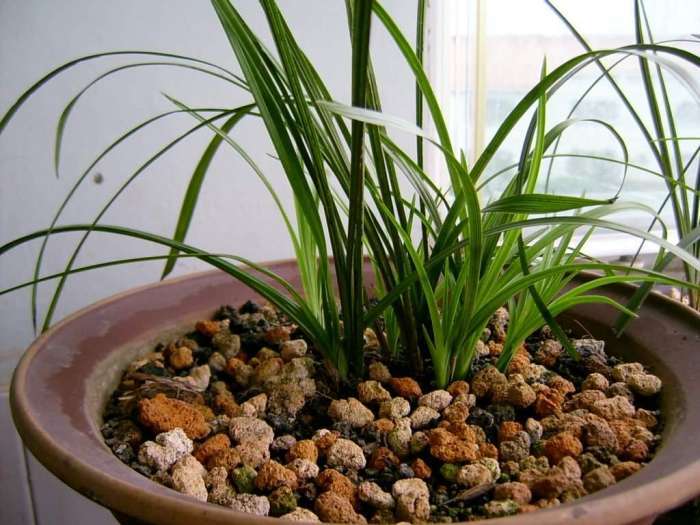
Orchid buds turn black, shrivel, drop off and fail to bloom - veteran orchid growers point out the reasons
Recently an orchid grower asked me why the buds of orchids grown on a balcony turn black, shrivel, drop off and fail to bloom? Here I would like to share with you a bit of my experience in growing orchids on this issue. Generally speaking, flowering-period care is inseparable from everyday care...
-
Detailed Explanation of Control Methods for Walnut Bacterial Black Spot
Walnut bacterial black spot mainly damages walnut fruit, with a diseased fruit rate of 10%-40%, causing the fruit to turn black, rot, and drop early, and the walnut kernels to shrivel. In addition, it also damages leaves and tender shoots, with damage rates reaching 20%-40% in some plots. [Symptoms] On affected green young fruit, small brown oil-soaked spots initially appear on the rind...
-
How to apply fungicides for effective control of carrot black spot
(1) Symptoms. Stems, leaves and petioles can all be infected. Leaf infection mostly starts from the leaf tip or edge, producing irregular dark brown to black lesions, with the surrounding tissue becoming increasingly discolored; when humidity is high, black mold grows on the lesions, and in severe cases the lesions merge, the leaf edges curl upward, and the leaves wither early. When stems are infected, the lesions are oblong, dark brown, ...
-
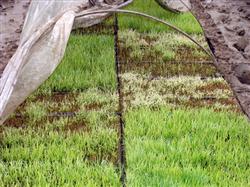
A complete guide to the basics of southern rice black-streaked dwarf disease
Rice seedling rot is the collective term for seed rot, bud rot and dead seedlings that occur at the seedling stage. Rice seedling rot can be divided into two types: physiological and infectious. Physiological seedling rot is mainly caused by low temperatures and mistakes or poor management practices in the seedling nursery; infectious seedling rot is caused by pathogen infection, and the main diseases include rice cottony rot, rice putrefactive disease and rice...
-
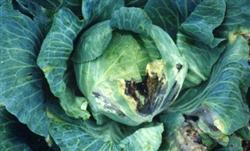
What are the control methods for black rot of cabbage?
Main symptoms: When the disease occurs at the mature plant stage, most lesions spread inward from the leaf margin, forming a "v" shape, and are yellowish-brown dead spots. The leaf tissue around the lesions is pale yellow, with no obvious boundary from the healthy part; sometimes the pathogen can spread inward along the leaf veins, forming a network of yellow veins. Causes of the disease: The primary infection source of this disease is seeds or in the soil...
条件筛选