Use 1 kind of material for growing orchids, root rot and black rot all go away, and they grow more and more beautiful
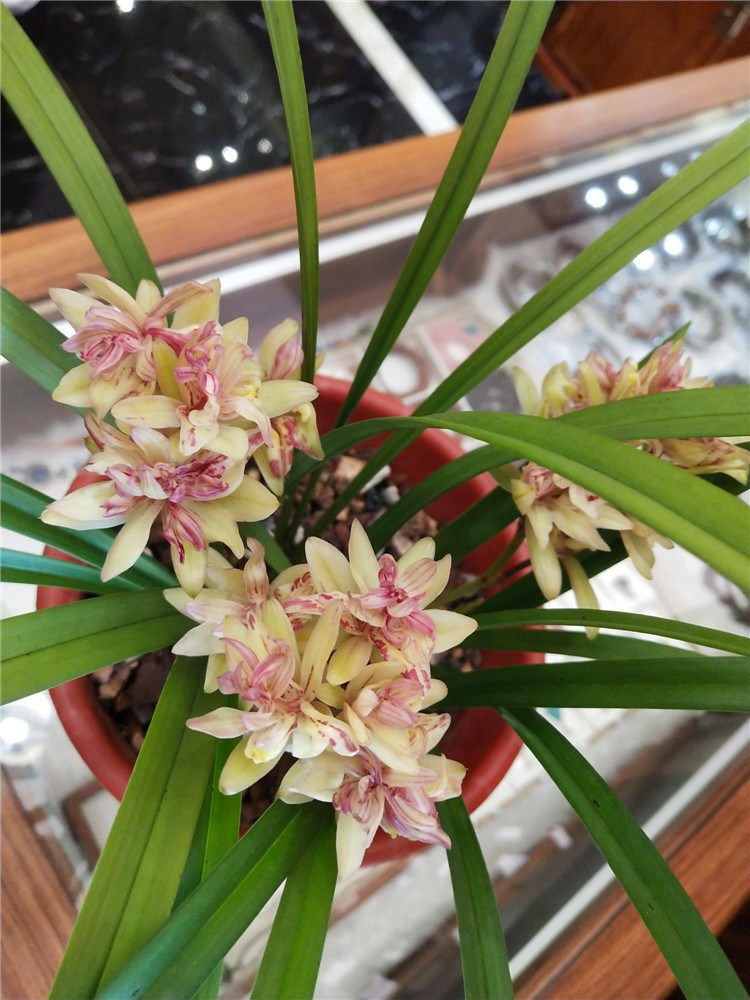
Many orchid owners know this: growing orchids means growing roots. Orchid roots are different from those of other flowers. Don't be fooled by how white, plump and thick they look, because they are actually very fragile fleshy roots. This little gardener has seen many orchid growers' "painful" experiences, that is, as they grow them, the thick orchid roots rot. Once they rot, if they are not rescued in time, the orchid dies. So how should we care for fleshy roots?
1. To grow orchids you must grow roots, try the "treasure soil"
Caring for orchid fleshy roots basically comes down to 3 points: what soil to use? Will you water properly? Is the ventilation good? Among these, what soil to use is what many beginner owners care about most. To improve air permeability, this little gardener often guides beginner owners to use large planting materials (bark planting material, granular planting material, etc.), and then follow up with an organic nutrient solution that strengthens roots and promotes flowering. Today let's talk about another very practical "orchid treasure soil" - peanut shells.
2. Using peanut shells to grow flowers, 2 "big advantages"
In this little gardener's recent video, I analyzed the soil used by the "Orchid King" shop, and they do use quite a lot of decomposed peanut shells. As a "treasure" for growing orchids, many owners already know about peanut shells, and there are many benefits. The first point is: they contain rich vitamins, minerals and a small amount of amino acids, all of which are nutrients orchid roots need; the second point is the most important: they are mainly made up of fibrous material and have very good water absorption and drainage.
3. Using peanut shells to grow orchids, they must be handled properly
So how do you use peanut shells to grow orchids? The first point that must be made clear is that you must use fully decomposed peanut shells. Second, do not use ones that have had seasoning (salt) or anything else added. The process is to wash them clean, first sun them thoroughly, then tap them with a hammer, then put them in a container and seal them to ferment. You can ferment them together with soil, or ferment them using only peanut shells. This step cannot be skipped.
What do peanut shells look like when they are well fermented? Usually when you observe them, if you find their color is slightly black and glossy, or they even have a fragrant smell, then they are ready to use. You can imitate this little gardener's soil mixing method: use peat soil, peanut shells and bark at a ratio of 3:3:4 to pot orchids. Of course, there is also a little trick: mix in 1 part coal cinder as a bottom layer, and the effect is even better. However, when using it, topdressing with organic nutrient solution is key.
4. Mixing soil with large planting materials, topdressing is very important
This soil mixing method is actually still mainly based on large planting materials, with good air permeability and good drainage. The weakness is that it does not retain fertilizer. That is why this little gardener keeps emphasizing that orchid owners should topdress in time. Topdressing cannot be done blindly; it must be targeted. During the growing period, the goal is strong roots, green leaves and vigorous new growth, so we should use nitrogen and potassium fertilizer that strengthens roots. During the flowering period, the goal is proper flower quality and strong fragrance, so we should use phosphorus and potassium fertilizer that promotes flowering and preserves flowers. Peat soil can also play a role in enhancing floral fragrance.
So when you see other owners collecting peanut shells, you should wonder whether they are used for growing flowers, haha. Ordinary people don't understand these things; only people in the circle do. Orchid owners, hurry up and try this formula. Once orchid roots are grown strong and root rot is reduced, they will naturally grow well.