Detailed Guide to Making a Chinese Elm Bonsai, Easy to Learn at a Glance
Turning a tall, large tree species into a bonsai to display at home can add a sense of steadiness and elegance to the living space, and also add quite a bit of distinguished style. The Chinese elm bonsai naturally has this effect as well. Below, let's see how to make a Chinese elm stump bonsai.
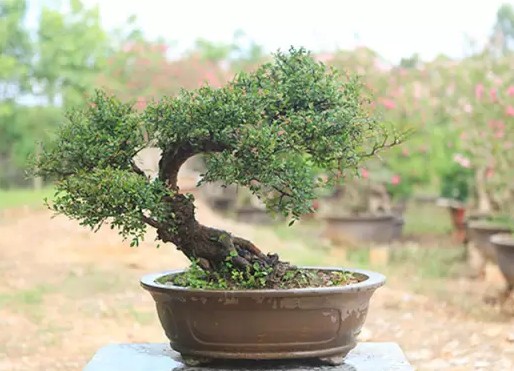
Pot selection: Chinese elm stump bonsai generally should use a glazed ceramic pot, and a purple clay ceramic pot can also be used. Pot shapes are varied, determined by the tree shape, with the rectangular pot being the most common. Plain and elegant colors are best.
Soil: It has no strict requirements for soil and has strong adaptability. For pot cultivation, loose and fertile garden soil or leaf mold is suitable; good air permeability and water permeability are needed to benefit root development and growth and keep the old stump's branches flourishing.
Planting: Usually plant in spring between February and March before budding, and it can also be done in autumn. When planting, trim the roots appropriately, cut off overly long roots, and they can also be raised appropriately. The Chinese elm has well-developed roots and is suitable for root-on-rock bonsai. Planting on rock is relatively difficult; generally, choose stone material with relatively deep crevices (soft stone material can be manually carved to create stone crevices), trim and arrange the tree roots, then embed them into the stone crevices, and use palm fiber to tie and secure the main thick roots so they are fixed.
When rooting, be careful to avoid damaging the root system as much as possible; green moss can be used as a cushion. After rooting, smear wet river soil on the outside of the stone, then wrap it with moss, and then plant the tree roots together with the attached stone into the pot soil, and carefully maintain for 3 to 4 years. Wait until the roots embedded in the stone crevices grow fully and fill the stone crevices, then the binding can be removed. At this point, the root system and the stone have formed one body, and a Chinese elm root-on-rock bonsai is basically completed.