-

-

-
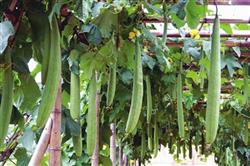
Several Cultivation Methods for Achieving High Yields of Greenhouse Luffa
1. Variety selection. For greenhouse luffa, it is advisable to choose varieties with vigorous plant growth, cold tolerance and strong adaptability, such as the cylindrical luffa. 2. Land preparation and fertilization. Before sowing, in combination with plowing, apply more than 5000 kg of high-quality farmyard manure per mu; after leveling and harrowing evenly, open furrows along the planting rows, and apply another 50 kg of superphosphate and 25 kg of potassium sulfate per mu, ...
-
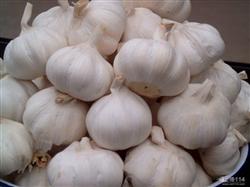
How to fertilize garlic for high yields? Understanding its nutrient requirements is key
Garlic is a bulb crop with a high nutrient demand and relatively good tolerance for fertilizer. It is suited to cultivation in sandy loam soil rich in organic matter, with a loose and fertile topsoil, comprehensive nutrition, and good water- and fertilizer-holding capacity and aeration. According to research: for every 1000 kg of fresh garlic produced, 4.5-5 kg of nitrogen, 1.1-1.3 kg of phosphorus, and 4.1-4.7 kg of potassium are required, in a ratio of 3...
-
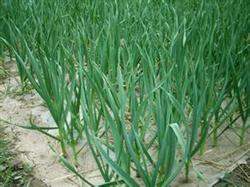
For high garlic yields, good spring management is key
Garlic farmer Qi Xinqiang has grown film-mulched garlic for many years, and through production has worked out a cultivation technique using double-layer plastic film mulching for garlic, achieving an earlier market launch for the garlic and a relatively high yield, with a yield increase of more than 10% per mu, which is worth learning from and drawing on for vegetable growers in the major garlic-producing areas. The cultivation technique is described below: 1. Select...
-
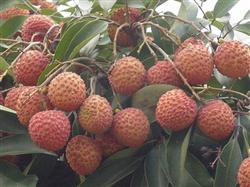
Increasing lychee yields requires management tailored to local conditions
"Due to limited land and water resources, lychee cultivation must transform its current production methods." Li Li from the Economic Crops Division of the National Agricultural Technology Extension Center of the Ministry of Agriculture pointed out that improving per-unit yield and quality through scientific fertilization and pesticide use, and supporting farmers' cooperatives and leading enterprises, can promote the healthy development of the lychee industry. How to...
-
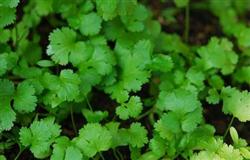
How to manage large-leaf cilantro for high yields? Detailed technical points
Select improved varieties: Japanese large-leaf cilantro, Thai large-leaf cilantro, Beijing large-leaf cilantro. Sow at the right time. For greenhouse cultivation, sow in staggered succession throughout the year, and in summer cover briefly with a shade net. For open-field cultivation, start sowing in late April and harvest in late June. For sowing in May, sow sweet corn as double plants in advance on both sides of the bed at 1 m intervals...
-
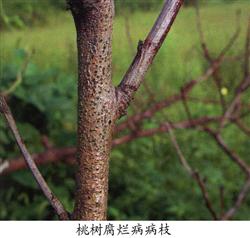
Efficient management techniques for peach trees to help achieve high yields
Peach tree rot, also known as dieback disease, causes branches to wither and die after the tree is affected, forming canker lesions on large branches and the trunk. If not treated in time, it quickly causes the entire tree to die. The main causes of this disease are: frost damage and extensive management; improper fertilization and years with abundant autumn rain, which delay the peach tree's dormancy and reduce the tree's cold resistance. It has...
-
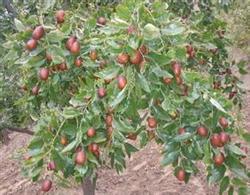
What are the key technical points for skillful fertilization of jujube trees to promote high yields?
Only through scientific and rational fertilization can jujube trees be strengthened, their resistance to pests and diseases improved, quality enhanced, and yields increased. Fertilization of jujube trees is divided into base fertilizer and topdressing. The scientifically appropriate time for applying base fertilizer is from the jujube fruit ripening stage until the soil thaws the following year, while topdressing is carried out in three applications: before bud break, at the early full-bloom stage, and during the rapid fruit swelling stage...
-
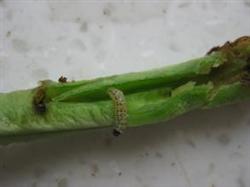
For high yardlong bean yields, preventing the pod borer is key
The adult pod borer moths lay eggs on the tender leaves of the plants. After 5-7 days, the hatched larvae bore into the pods and feed on the beans. Once larvae past the 3rd instar have bored into the pods, spraying pesticides can hardly kill them. Therefore, to control this pest, fertilizer and water management should be strengthened to ensure uniform growth and a relatively concentrated flowering and pod-setting period, so that in the critical period the pest can be...
条件筛选