-
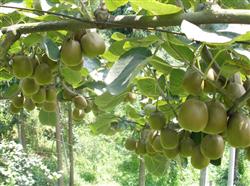
A Complete Guide to High-Yield Kiwifruit Cultivation Techniques
1. Variety selection: choose good varieties with large fruit, good quality, strong disease resistance and good yield, such as Hayward, Allison, Bruno, etc. 2. Site selection and orchard establishment: kiwifruit likes a cool and humid environment, fears drought, waterlogging and wind, and is cold-tolerant but not tolerant of late frost in early spring, so kiwifruit orchards in mountainous areas should be chosen on sheltered...
-
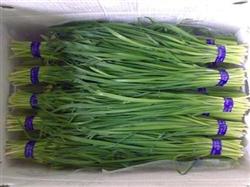
How to grow Chinese chives to increase yield
After detailed questioning, it was learned that this grower had not applied manure for the past two years. The roots of Chinese chives grow upward toward the soil surface as the number of years of growing Chinese chives increases. If manure is not applied, the yield will show a declining trend. Experts suggest that potassium dihydrogen phosphate can be used for foliar spraying, and in addition, it is best to apply manure when growing Chinese chives again next year.
-
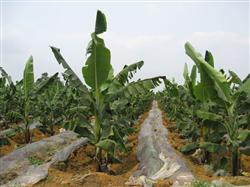
Bananas Grown in Ridge-and-Furrow System Show Significant Yield Increase
Dryland bananas grown by conventional methods tend to have relatively low yields, but using ridge-and-furrow planting can fundamentally overcome the main factors limiting dryland banana yields and achieve a good harvest. Over the past two years, banana growers in some banana-producing areas have adopted this technique and generally achieved significant yield increases. The technique is described below. 1. Site selection...
-

Key Techniques for High-Yield and High-Benefit Banana Cultivation
Banana is an important tropical and subtropical fruit. To achieve high quality, high yield and high benefit in banana production, it is necessary to do a good job in banana orchard selection, use certified varieties and strong seedlings, plant at the right time, establish a rational close planting density, manage fertilizer and water well, remove and retain suckers at the right time, carry out scientific de-budding and bagging, implement integrated pest and disease control, and do good work in wind protection and cold protection...
-
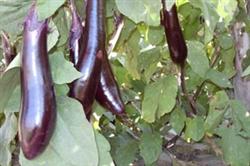
Key Points of High-Yield Cultivation Techniques for Eggplant in Early Spring Open-Field Cultivation
1. Variety selection: Choose varieties with good marketability, strong cold and disease resistance, high and stable yield, tolerance to low light, suitability for dense planting and excellent quality, such as Hangqie No. 1, Yinqie No. 1, etc. 2. Seedling raising and cultivation methods: Open-field eggplant generally adopts improved solar hotbed with electric heating wire for seedling raising, sowing and raising seedlings in mid to late January, planting in April...
-
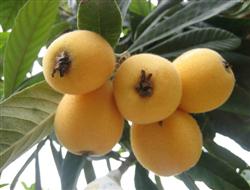
Want loquats to fruit early and yield heavily? Fertilization technique is the key
Fertilizing young trees. Young loquat trees should be fertilized 5-6 times a year. In the first year just after planting, it is best to apply fertilizer once a month. Use fairly dilute human manure urine or organic fertilizer mixed with inorganic fertilizer, applying 1-1.5 kg per tree at 25-30 cm around the tree. From the second year on, apply a shoot-promoting fertilizer once before each new flush sprouts, and 15-20 days later, after the tender shoots have unfolded...
-
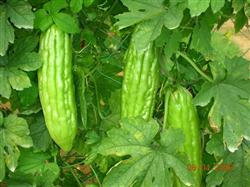
Remember these four key points for high-yield spring bitter melon cultivation
Bitter melon fruit is rich in vitamin C, higher than tomatoes, and contains a glycoside that gives it a distinctive bitter taste, making it one of the popular health vegetables. Growing spring bitter melon means mild diseases, low costs, high yields, and good returns. The high-yield cultivation techniques for spring bitter melon mainly include the following four key points: select good varieties, raise seedlings at the right time. Spring planting...
-
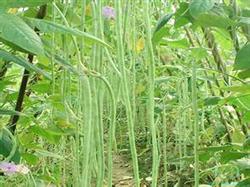
Methods for High-Yield Cowpeas: Scientific Planting and Management Are Key
1. Cowpeas can be direct-sown or raised as seedlings and transplanted; generally, seedling raising and transplanting is practiced, as it can appropriately suppress vegetative growth and promote reproductive growth. Choose good land, apply base fertilizer, water appropriately, use disease-resistant seeds, and treat the seeds with New High Lipid Film. This can repel underground pests and diseases, isolate viral infections, and does not affect germination...
-
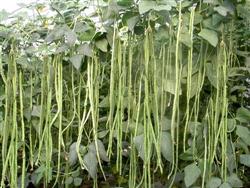
Detailed Explanation of Key Points for High-Yield Cultivation Techniques of Yardlong Beans
Yardlong beans are also called cowpeas, and their habits and cultivation techniques are similar to those of common beans. Although yardlong beans have root nodule bacteria that can fix nitrogen, they are harvested for their tender pods and tender seeds, so nitrogen supply is indispensable, especially in the early stage. Nitrogen:phosphorus:potassium = 1:0.6:1.3. The trace element molybdenum can promote vigorous development of root nodules. Legumes are also very sensitive to trace elements such as boron and zinc, so on the basis of reasonable application of N, P, and K fertilizers, spraying boron fertilizer, molybdenum fertilizer, and zinc fertilizer has a certain effect on increasing the pod-setting rate of legumes, promoting full seeds, and improving yield. Below is a discussion of high-yield cultivation techniques for yardlong beans. Because the root system has aerobic root nodule bacteria, this is also one of the reasons why common beans can tolerate short-term soil drought and have poor moisture tolerance.
-
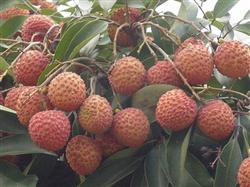
Increasing lychee yields requires management tailored to local conditions
"Due to limited land and water resources, lychee cultivation must transform its current production methods." Li Li from the Economic Crops Division of the National Agricultural Technology Extension Center of the Ministry of Agriculture pointed out that improving per-unit yield and quality through scientific fertilization and pesticide use, and supporting farmers' cooperatives and leading enterprises, can promote the healthy development of the lychee industry. How to...
条件筛选