-
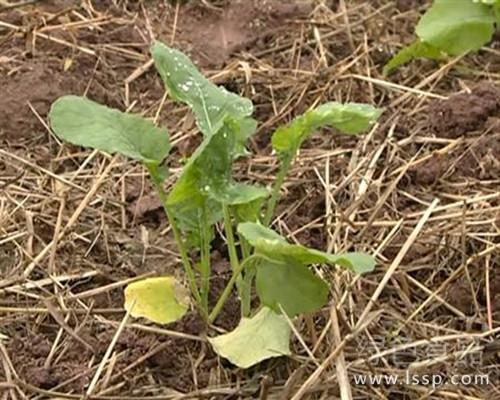
Causes of Stunted Growth, Few Branches and Few Siliques in Rape (Rapeseed) Seedlings and Control Methods
Causes of Stunted Rape Seedlings with Slow Growth, Few Branches and Few Siliques and Control Methods
-
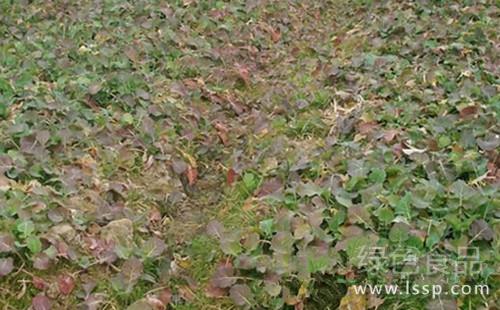
Causes of Red Leaves Stunting Rapeseed Growth and Targeted Control Methods
How to Apply Targeted Control to Rapeseed with Red Leaves Causing Stunted Growth
-
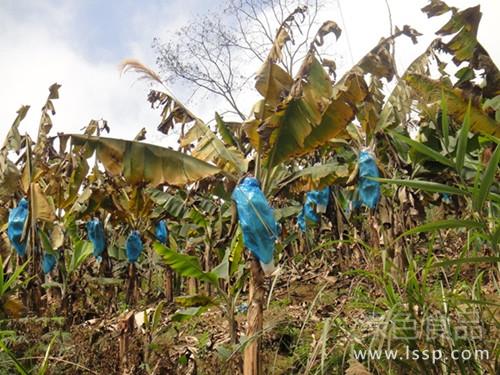
Causes of Cold Damage to Banana Trees and Fruits and Prevention Methods
Cold Damage to Banana Trees and Fruits: Causes and Prevention Methods
-
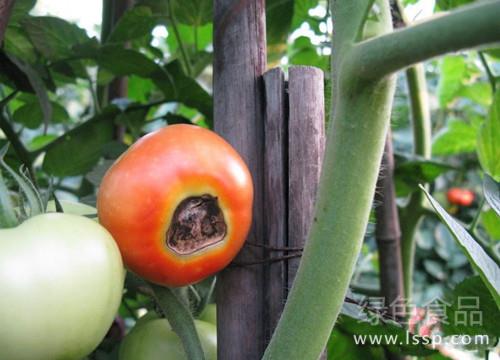
Causes of Cracked Fruit and Uneven Coloring in Tomatoes Due to Calcium Deficiency and Control Methods
Calcium Deficiency Causes Cracked Fruit and Uneven Coloring: Causes and Control Methods of Calcium Deficiency in Tomatoes
-
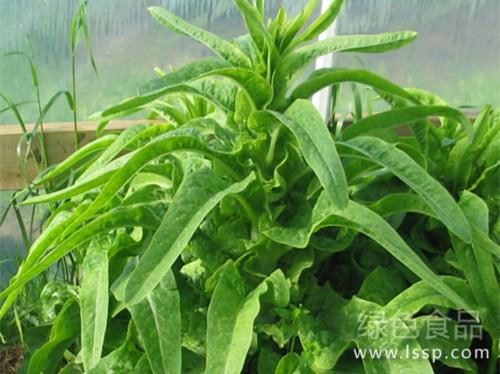
Causes of Bolting in Celtuce with Small Leaves, Few Leaves, Thin Stems, Sparse Plants and Spindly Overgrowth, and Control Methods
Causes of Bolting in Celtuce with Small Leaves, Few Leaves, Thin Stems, Sparse Plants and Spindly Overgrowth, and Control Methods
-
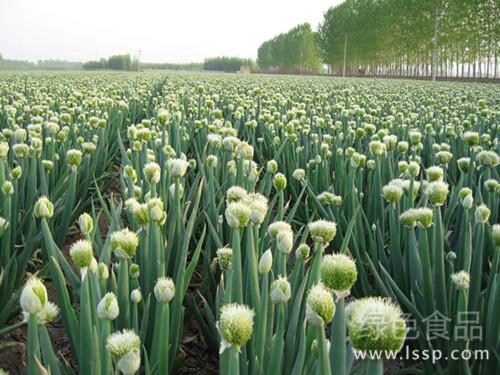
Early bolting in onions affects yield: causes and control methods
Early bolting affects onion yield: causes of onion bolting and control methods
-

What to Do If Phalaenopsis Leaves Have Black Spots? Causes and Control Methods
There are many reasons why Phalaenopsis leaves develop black spots: if the black spots appear due to strong light exposure, shade the plant promptly; if caused by a poor environment, move the plant to a clean environment; if caused by disease, promptly remove the affected leaves and spray with medication; if caused by low temperatures, raise the temperature to 20-24°C.
-
What to Do About Black Spots on Phalaenopsis Leaves? Causes and Control Methods
There are many causes of black spots on Phalaenopsis (moth orchid) leaves: if the black spots are caused by strong light, shade the plant promptly; if they are caused by a poor environment, move the plant to a clean environment; if they are caused by disease, remove the affected leaves and spray promptly; if they are caused by temperatures that are too low, raise the temperature to 20-24°C.
-
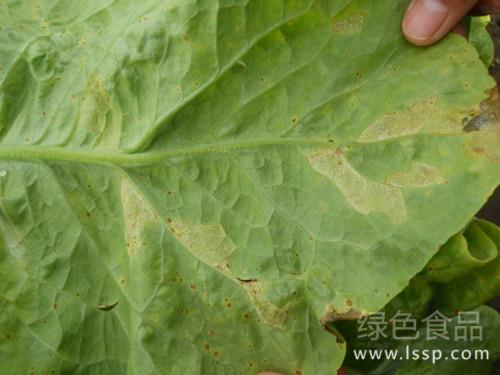
Causes and Control Methods of Downy Mildew, Black Spot, and Sclerotinia Rot in Celtuce
Downy Mildew, Black Spot, and Sclerotinia Rot in Celtuce: Causes and Control of Three Diseases
-
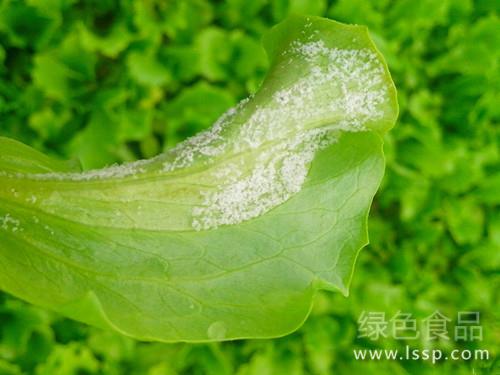
Lettuce has few diseases but they still occur: common disease causes and control methods
Lettuce has few diseases but they still occur: common disease causes and control methods
条件筛选