-
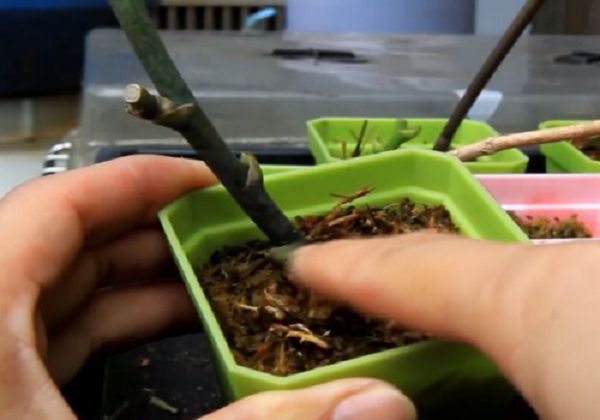
What soil should be used for Phalaenopsis orchid cuttings? Detailed explanation of soil mixing methods
What soil should be used for Phalaenopsis orchid cuttings
-
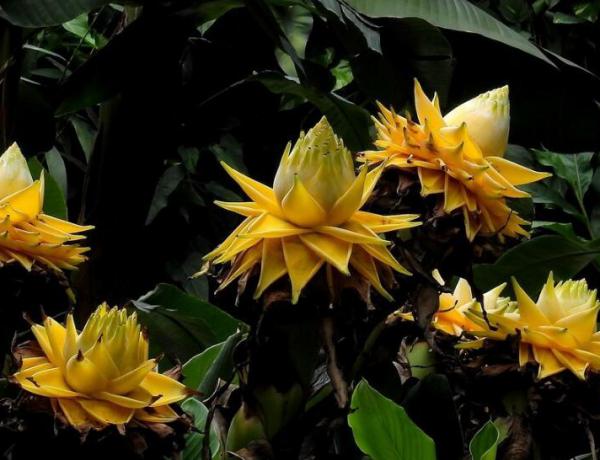
How to cultivate Musella lasiocarpa? Detailed cultivation methods
How to cultivate Musella lasiocarpa? Cultivation methods for Musella lasiocarpa
-
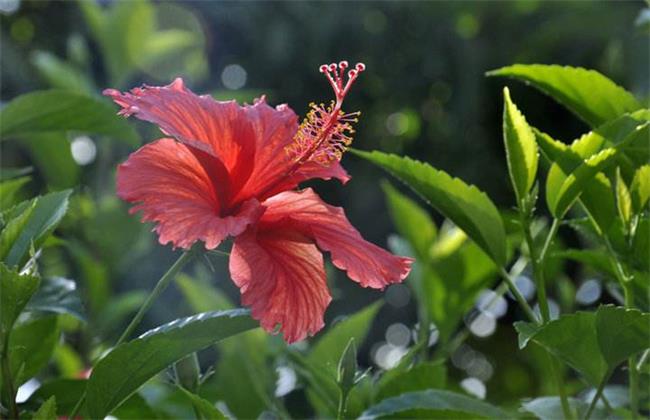
What to Do When Redbud Leaves Turn Yellow? Causes and Control Methods Explained
Causes of Yellowing Leaves in Redbud and How to Control Them
-
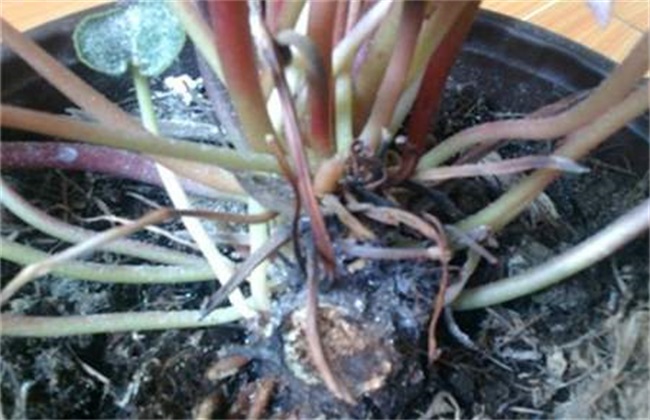
What to Do About Cyclamen Root Rot? Cause Analysis and Treatment Methods
Causes of Cyclamen Root Rot and How to Treat It
-
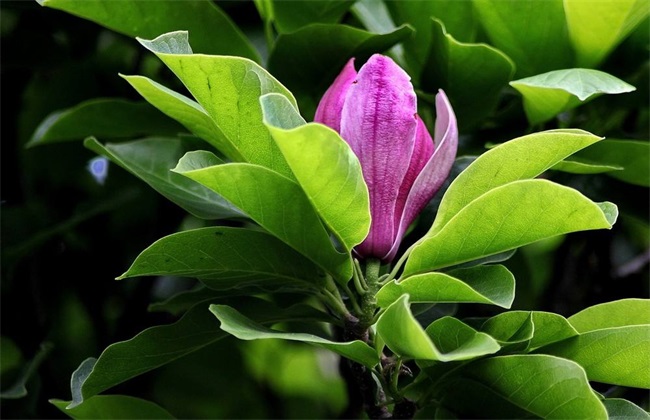
What to do when the leaves of the purple magnolia turn yellow? Causes and treatment methods
Causes of yellow leaves on the purple magnolia and treatment methods
-
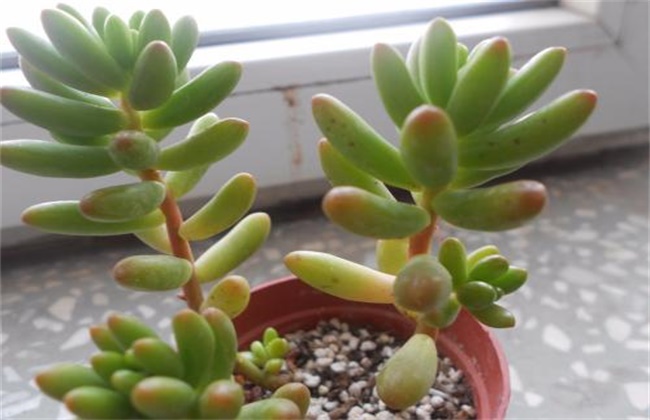
What to Do When Sedum rubrotinctum Drops Its Leaves? Cause Analysis and First Aid Methods
Causes of Leaf Drop in Sedum rubrotinctum and First Aid Methods
-
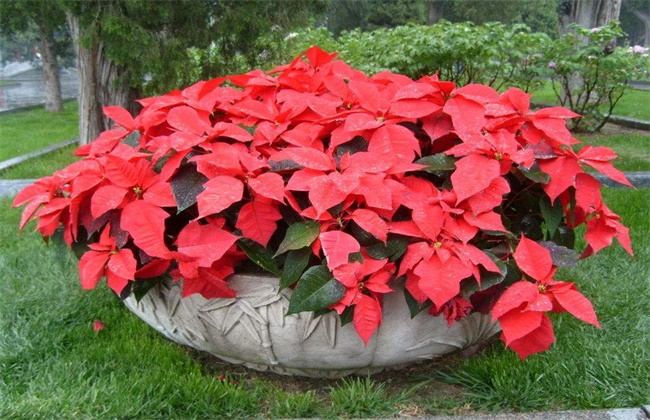
What to Do When Poinsettia Leaves Drop? Cause Analysis and Treatment Methods
Causes and Treatment Methods for Poinsettia Leaf Drop
-
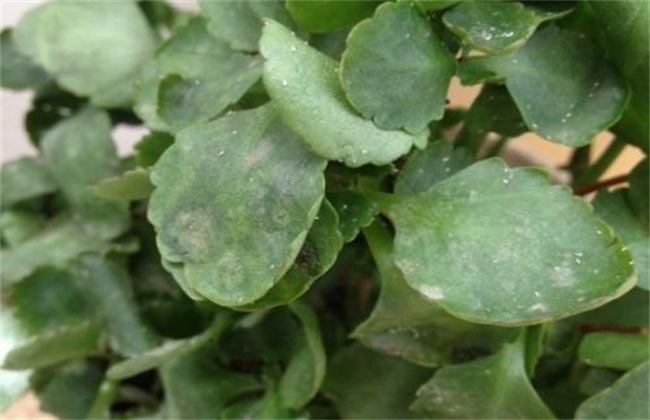
What to Do When Jade Plant Leaves Become Soft? Cause Analysis and Prevention Methods
Causes of Soft Leaves on Jade Plants and Prevention Methods
-
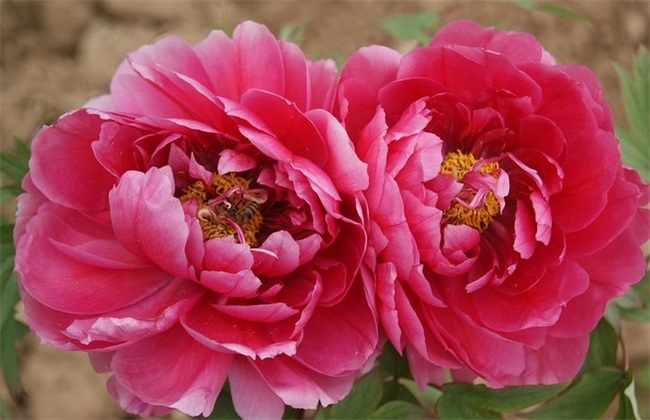
What to Do When the Flower Center of a Tree Peony Turns Black? Cause Analysis and Treatment Methods
What to Do When the Flower Center of a Tree Peony Turns Black
-

Causes and Control Methods of Pelargonium Leaf Curl Disease
Pelargonium leaf curl disease, also known as Pelargonium crinkle disease, is a viral disease that has only been found in the Shanghai area. Symptoms: The leaves of infected plants curl downward and become stunted. In severe cases, the plants die. Pathogen: The pathogen is Pelargonium leaf curl virus (PLCV). Disease pattern: The virus is transmitted by sap, grafting and soil; no vector insect has been found. In summer and autumn, the symptoms of the disease are not obvious, and the residual virus-carrying plant debris from pruning can spread the virus.
条件筛选