-
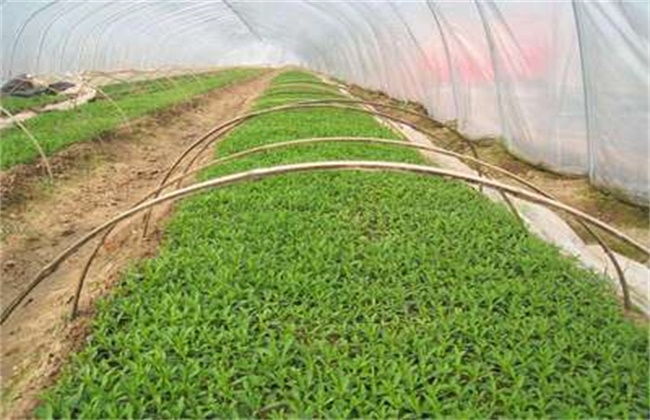
What causes dead seedlings in stevia? A detailed guide to prevention and control methods
Causes of dead seedlings in stevia and prevention and control methods
-
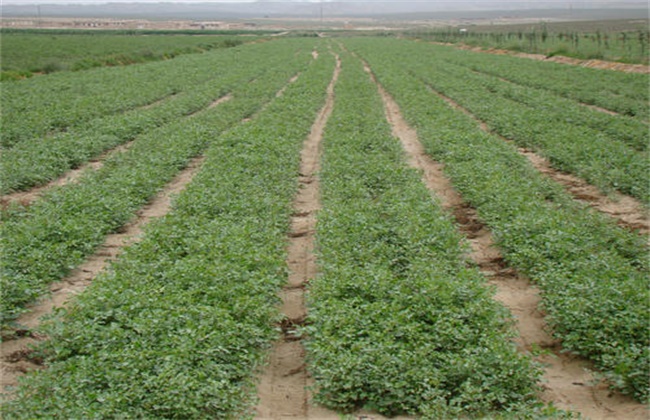
Detailed Explanation of the Use Methods and Precautions of Herbicides for Licorice
Use Methods and Precautions of Herbicides for Licorice
-
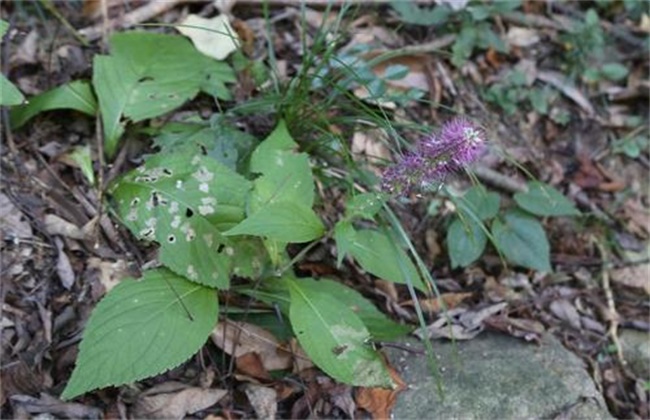
Analysis of the Causes of Scrophularia Root Drying and Its Prevention and Control Methods
Causes of Scrophularia Root Drying and Prevention and Control Methods
-
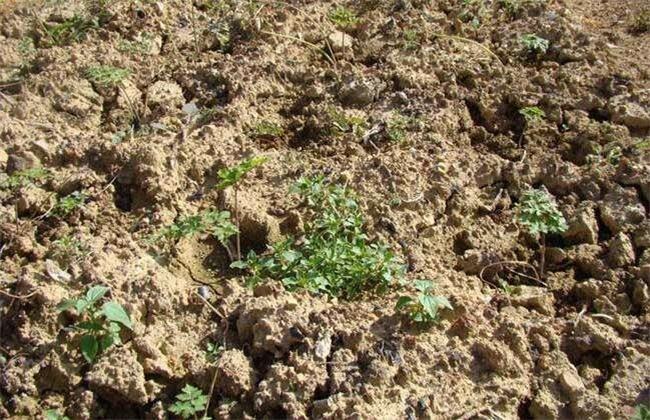
What to Do About Angelica Root Rot? Cause Analysis and Prevention Methods
Causes of Angelica Root Rot and Prevention Methods
-

What to Do About Dead Vines in Chinese Yam? Cause Analysis and Control Methods
Causes of Dead Vines in Chinese Yam and Control Methods
-

How to propagate Eucommia ulmoides? A detailed introduction to the commonly used methods
Propagation methods of Eucommia ulmoides
-

What to Do When Saposhnikovia divaricata Bolts? Cause Analysis and Control Methods
Causes of Bolting in Saposhnikovia divaricata and Control Methods
-

Several commonly used treatment methods for medicinal herb seeds before sowing
Several treatment methods for medicinal herb seeds before sowing
-

Causes and Control Methods of Sunscald in Schisandra chinensis
Sunscald on Schisandra chinensis fruit is a common physiological disorder that causes certain losses in production every year. With global climate warming, this disease tends to worsen year by year. 1. Disease symptoms Sunscald in Schisandra chinensis mainly affects the fruit. The sunscald sites often appear blistered, with sunken necrotic spots, lignification, hardened lesions, or necrotic spots in the flesh tissue. The surface of affected berries initially turns white (yellow or pink), then becomes black-yellow to brown. When sunscald is severe, sunken necrotic spots appear in the flesh tissue, localized flesh tissue becomes necrotic, and the affected areas are prone to infection by other fruit rot pathogens, causing fruit decay.
-
Causes of soft rot and nest rot in Gastrodia elata and prevention methods
Soft rot and nest rot in Gastrodia elata is one of the reasons for low and unstable yields in Gastrodia elata cultivation. In the small tubers, white tubers and arrow tubers affected by soft rot, the tuber skin turns yellow and withered, the central tissue decays, and a foul-smelling white milky fluid oozes from the cut surface of the tuber. In the rotting nests of Gastrodia elata and inside the tubers, the rhizomorphs of Armillaria mellea are luxuriant and dense. Gastrodia elata depends on Armillaria mellea for growth, so why does soft rot and nest rot occur, and why is the area beneath the tuber skin filled with Armillaria mellea mycelium? To explore this question, we should start with the nutritional ecology of Gastrodia elata. Gastrodia elata has no roots and no green leaves, its autotrophic organs are degenerated, and it relies on Armillaria mellea
条件筛选